
Abstract:
The National Aeronautics and Space Administration (NASA) stated that the upper stage of a SpaceX Falcon 9 rocket recently hit the lunar surface, forming a new crater about 60 feet (about 18 meters) in diameter. NASA's Lunar Reconnaissance Orbiter (LRO) photographed the impact relics from August 11 to 12, 2026; the impact actually occurred on August 5, about 6 days after the imaging time.
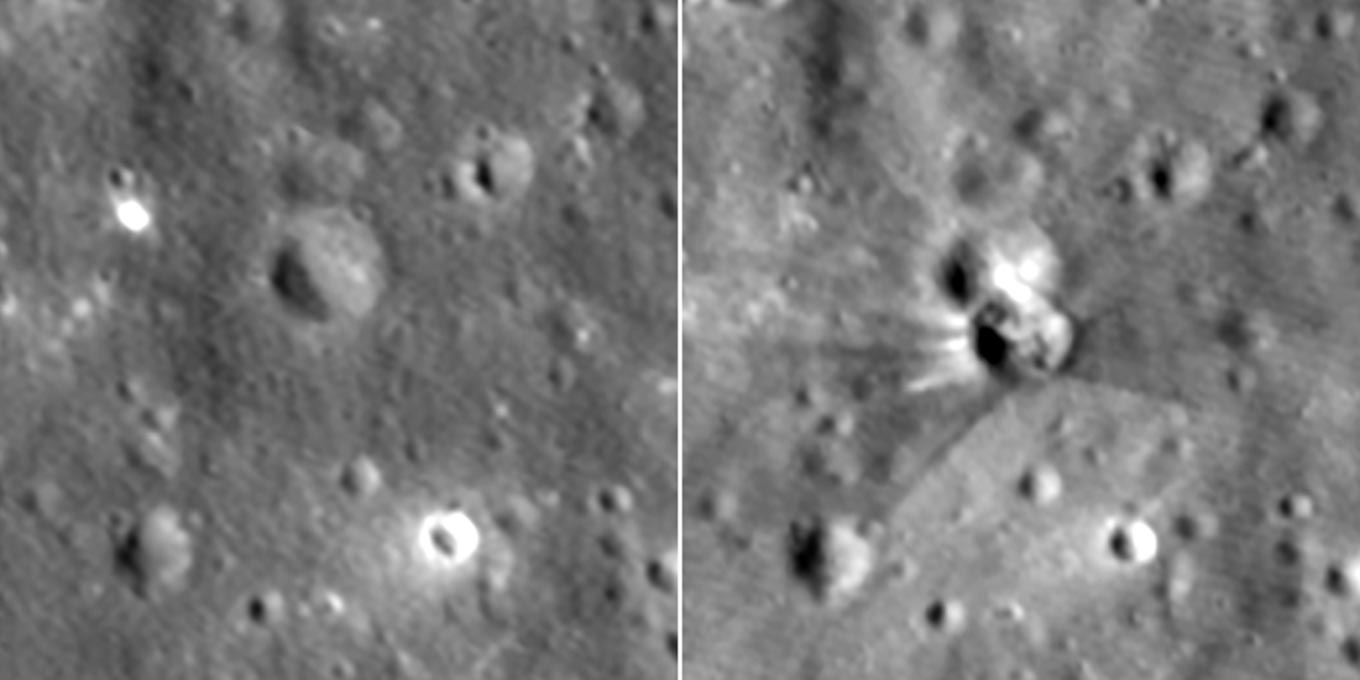
The upper stage of the rocket involved had previously been used to launch Firefly Aerospace's "Blue Ghost 1" lunar lander. The mission was launched into space by the Falcon 9 rocket on January 15, 2025. After completing the scheduled mission, the upper stage of the rocket continued to operate in space. Then, under the combined action of solar activity and gravity and other factors, the orbit evolved, and eventually returned to the moon in an unplanned manner and impacted the lunar surface.
The moon has almost no atmosphere, and incoming objects will not be slowed down by air resistance. Therefore, its surface has been shaped by meteorite impacts for a long time. NASA estimates that a natural meteoroid carrying roughly the same energy as the upper stage of this rocket will hit the moon about once every six days on average. However, it is relatively rare for man-made spacecraft debris to hit the moon, so this event provides researchers with a rare opportunity to test the ability to predict target trajectories and observe the formation of fresh impact craters up close.
In order to photograph this new crater, the LRO team needed to accurately arrange the observation posture and timing. The probe usually flies around the moon at an altitude of about 60 miles (about 97 kilometers) and at a speed of about 1 mile (about 1.6 kilometers) per second; although it can complete a polar orbit around the moon every two hours, it still must wait for the moon to rotate slowly to bring the impact area under its flight path.
The observation window is also extremely narrow. NASA pointed out that if the camera is turned on earlier or delayed by just 10 seconds, the target crater's position in the picture may be about 10 miles (about 16 kilometers) away from the center. LRO then photographed the impact point from multiple angles, using shadow changes under different lighting conditions to identify the characteristics of the crater edge and surrounding ejections.
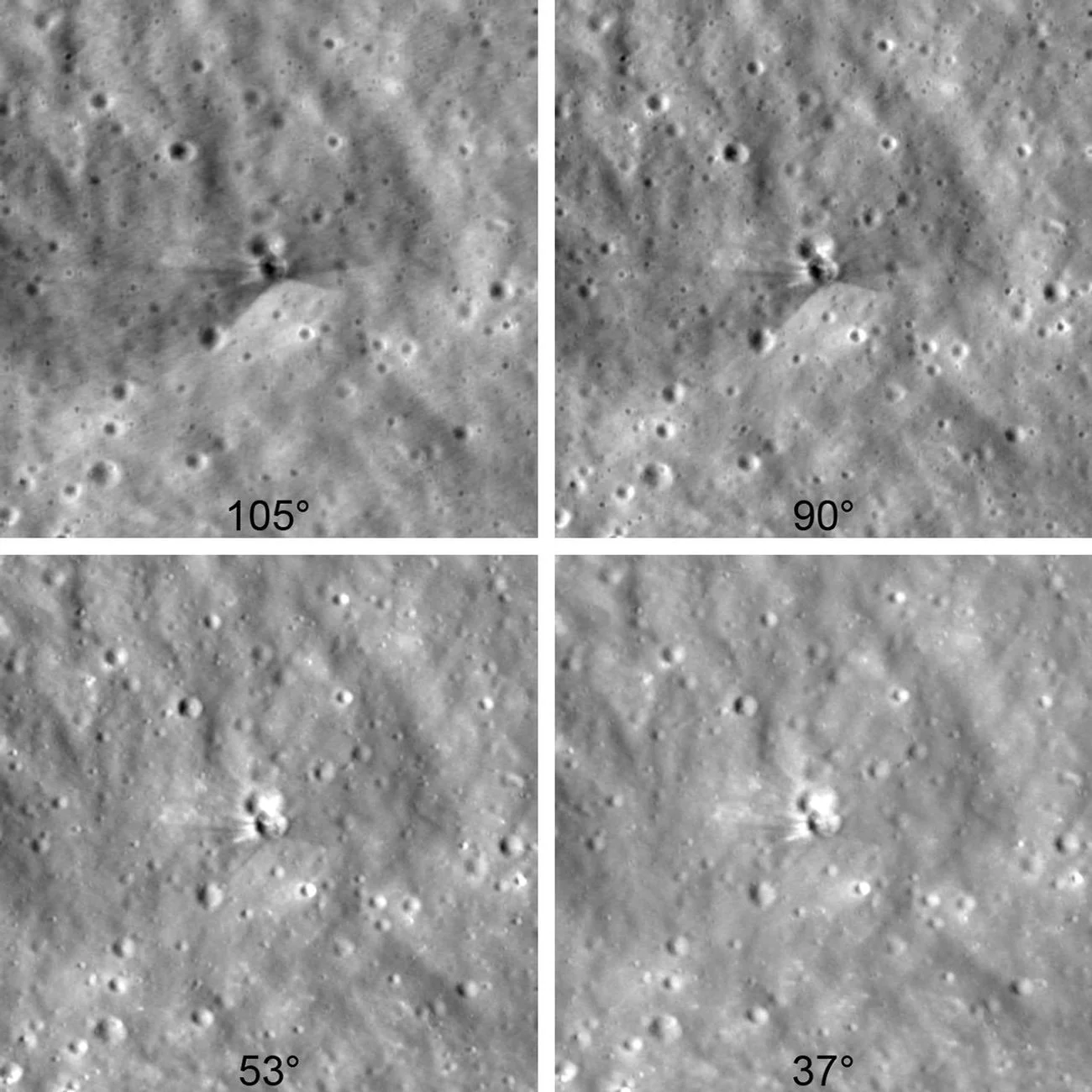
The image shows that the new crater is about 60 feet in diameter and less than 10 feet (about 3 meters) deep, slightly shallower than NASA's original estimate of about 12 feet (about 3.7 meters). The narrow-angle camera onboard LRO can resolve lunar targets as small as about 3 feet (about 0.9 meters); because the probe has continued to observe the moon since 2009, scientists can compare post-impact images with historical data to accurately isolate new changes caused by this event.
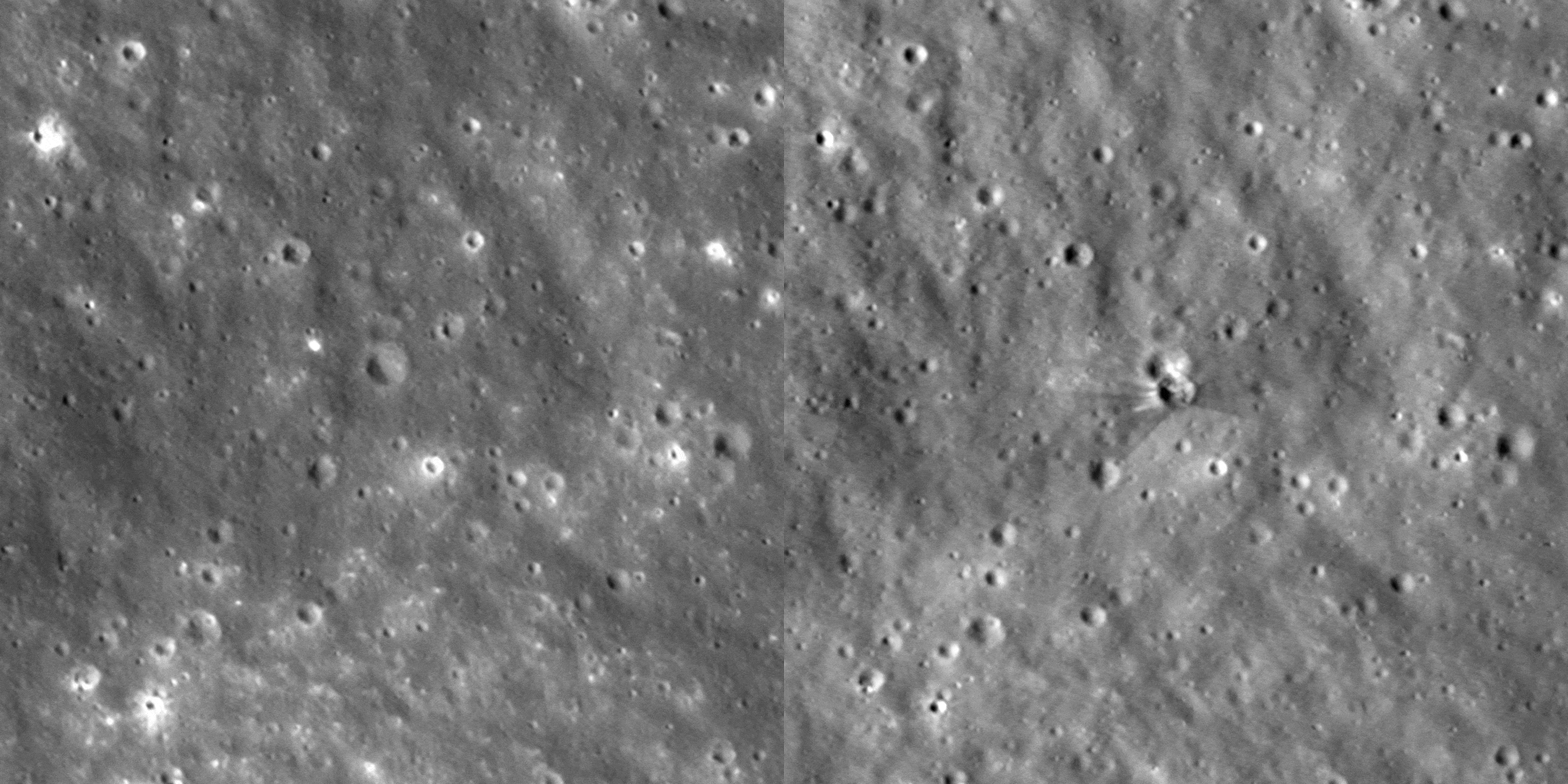
The light and dark stripes extending around the crater also reveal the disturbance of different layers of the lunar soil by the impact. The darker ejecta comes from shallow material about 1.5 feet below the moon's surface. These dust and rocks have been continuously impacted by solar wind, galactic cosmic rays, and micrometeorites during long-term exposure, and their surface features have become more mature.
In contrast, the bright sediments near the crater rim come from much deeper. Because it has been buried underground for a long time, it has experienced a lower degree of space weathering, so it shows a brighter appearance in the image that is "fresher" than the surrounding lunar soil. Researchers believe that these bright and dark rays provide direct clues to the understanding of lunar soil layering, space weathering processes and impact ejection mechanisms.
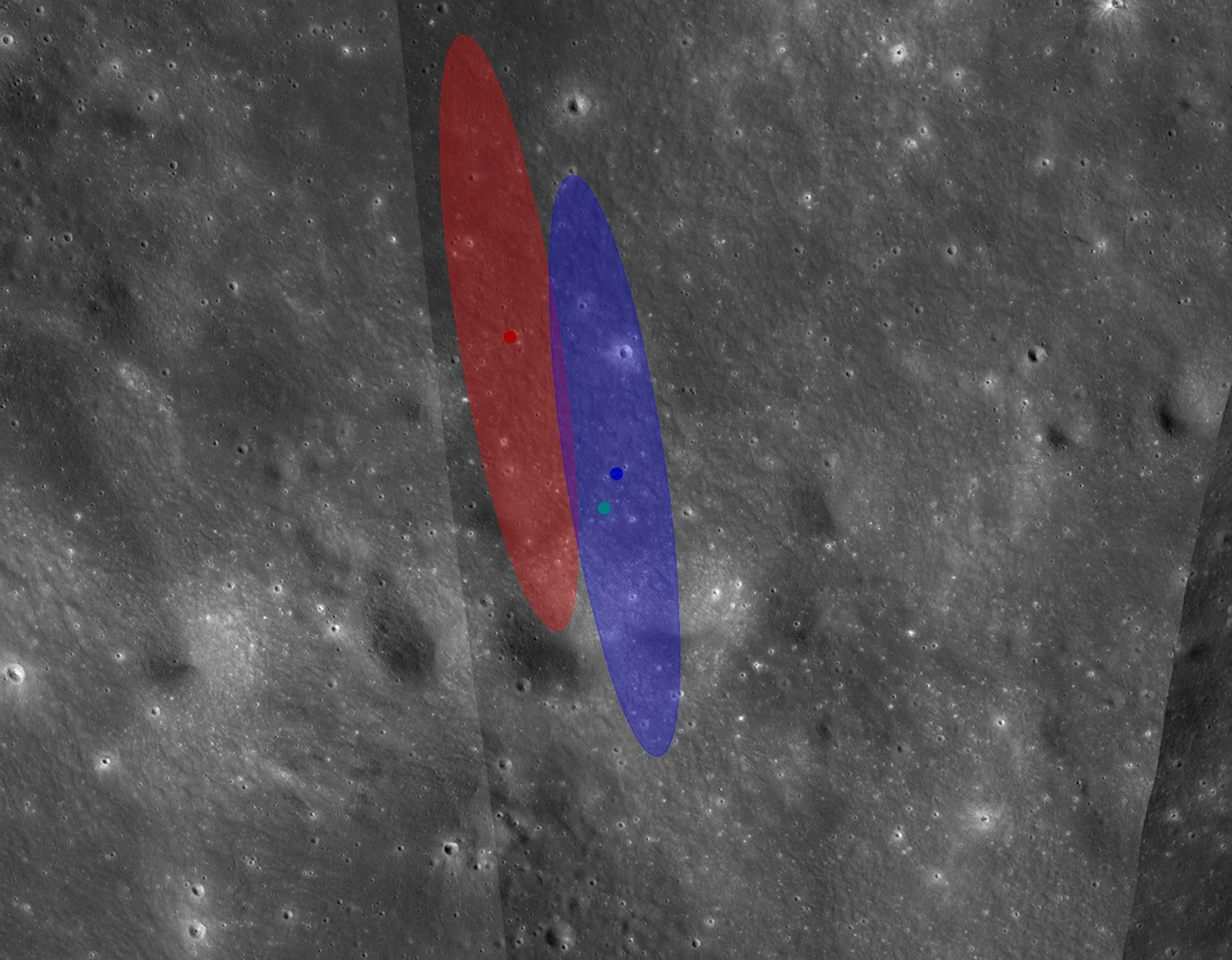
Before the impact, the international team had begun tracking the potential landing point of the rocket's upper stage. Independent astronomers first reconstructed its flight trajectory using public data, and NASA's Near-Earth Object Research Center then further refined the predictions. The center, which is affiliated with NASA's Jet Propulsion Laboratory in southern California, also used the incident to test the technology originally used to track asteroids and comets that may threaten the Earth.
NASA then provided the predicted landing point to South Korea’s “Lunar Pathfinder Orbiter” Danuri team. Hours after the impact, Danuri's high-resolution LUTI camera captured the new crater. The actual impact location is about 0.6 miles (approximately 1 kilometer) different from NASA's predicted location, indicating that the relevant trajectory forecast has achieved high accuracy.
The Danuri team then shared the coordinates with LRO mission controllers to provide a basis for more detailed follow-up imaging. By comparing photos of the lunar surface before and after the impact, NASA located the center of the crater at 19.4759 degrees north latitude, 266.7138 degrees east longitude, and an altitude of about 511 meters. This unexpected collision with the moon not only left a clear new trace on the lunar surface, but also became a rare case in which humans used active detectors to study the geological process of the lunar impact in real time.
Comments