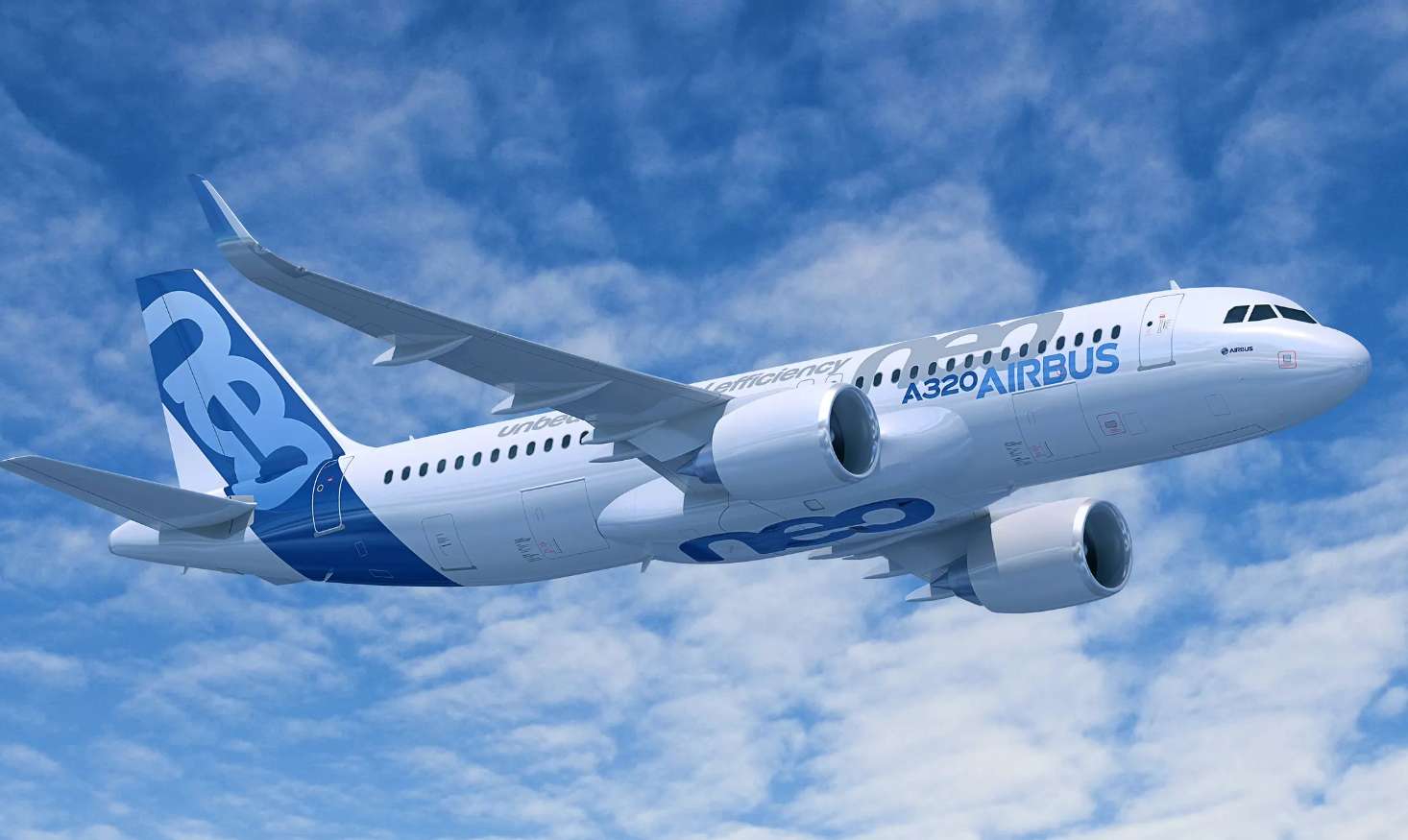
BMW's part-to-part ratio is a joke in the automotive industry, which means that parts repairs are more expensive than the entire vehicle. Unexpectedly, there is such an example in the aircraft industry. It is more profitable to dismantle a brand new aircraft and sell the parts than the complete aircraft. In the past, when it came to dismantling aircraft, what everyone could think of was that the aircraft was scrapped after flying for decades.However, some of Airbus's aircraft are now brand new or almost new, and they are also dismantled into parts and sold to customers.This has been happening more and more in recent months.
Airbus is not crazy about doing this, it is in line with economics, because the aviation industry is now facing an unprecedented shortage of jet engines, and the demand for travel is still increasing. Therefore, some Airbus aircraft are disassembled and removed from the engines and other parts to serve customers. The price of these engines as spare parts is more valuable than the entire aircraft.
Slahgear said this is an unusual and even slightly contradictory scenario, but it is what happens in reality.
This situation stems from production problems with Pratt & Whitney's GTF jet engine, which is the engine for the currently popular A320 aircraft. In the past few years, its production has been affected by supply chain and strikes and other issues, which seriously affected the delivery and maintenance time of the engine.
Across the aviation industry, a large number of airlines are grounded due to lack of engines and parts.As many as 1/3 of the 636 Airbus aircraft equipped with GTF engines have been forced to be grounded or stored.But this will obviously affect airline profits. A good running GTF engine is now worth up to $20 million.
In this case, it is obviously more profitable to dismantle some Airbus aircraft that have only flown for a few years into parts, which leads to the situation mentioned above. Some brand-new aircraft (PS: It is estimated that they have not yet been delivered) may also first remove the engines to make this money.
There is also the fact that 40% of the world's commercial aircraft are leased. In this case, the leasing company sells or leases the engine at a price of US$200,000 per month, which is more profitable than leasing the aircraft. Other parts can also be disassembled and recycled to make money.
The problem now is that Pratt & Whitney admits that this situation may last for several years, and that it will take several years to resolve the production bottleneck.
PS: Judging from this slightly abnormal situation,It is really a big problem that the global aviation industry is controlled by European and American companies, even basic supply chain problems took several years to solve, so much so that it became more profitable to dismantle parts than to complete the machine.
What can ultimately solve this problem can only be the comprehensive rise of large aircraft and engines in the world's largest industrial country.