A New York University research team recently developed a new "liquid gear" system. This device does not require the physical teeth of traditional gears to mesh with each other. Instead, it transmits rotational force through fluid motion, which is expected to bring greater adaptability and durability to mechanical equipment.
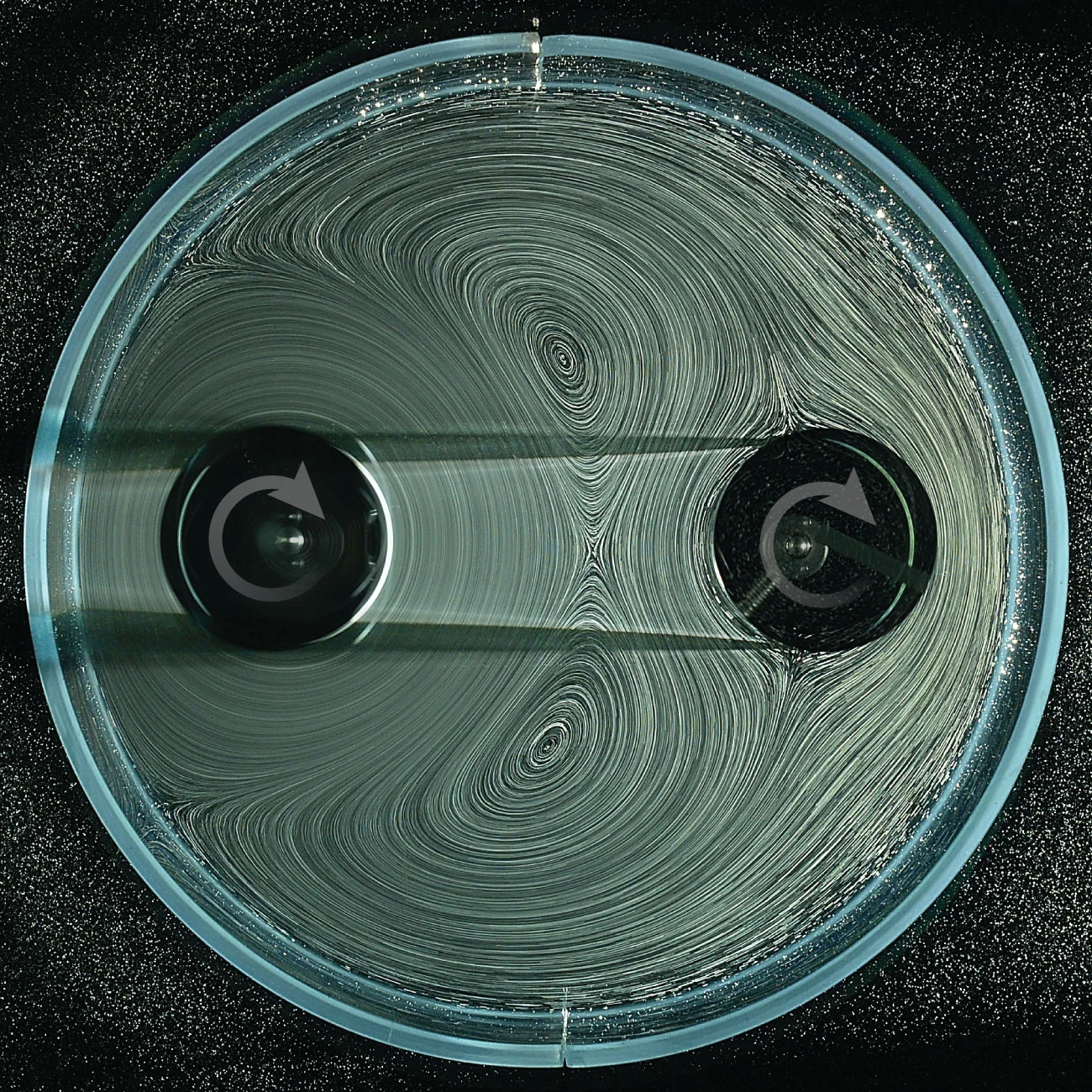
This research was led by Zhang Jun, professor of mathematics and physics at New York University and professor at New York University Shanghai. The relevant results have been published in "Physical Review Letters". The researchers said they invented a new type of gear system that relies on driving fluid rotation rather than relying on teeth to "engage", and found that this design can not only control the rotation speed, but also adjust the rotation direction.
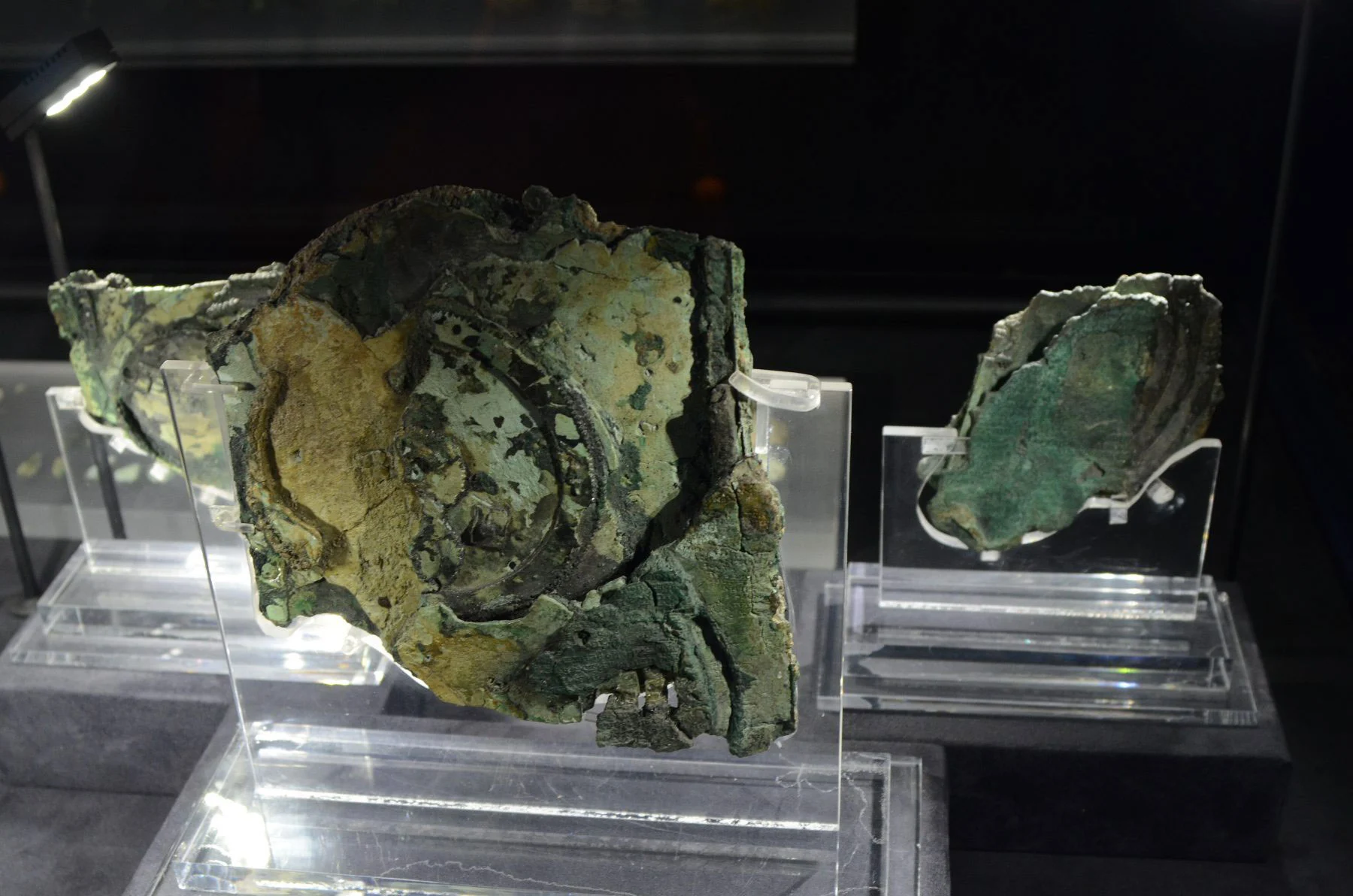
As a basic component in mechanical systems, gears have a history of thousands of years. The earliest traces can be traced back to China in about 3000 BC, when they were used in two-wheeled chariots crossing the Gobi Desert. Since then, gears have appeared widely in various devices such as the ancient Greek Antikythera mechanism, windmills, clocks, and modern robots.
However, traditional gears have long had certain limitations. Regardless of whether the material is wood, metal or plastic, the tooth structure itself is relatively rigid and easily damaged. At the same time, it must be accurately aligned in position, otherwise the operation effect may be affected. Because of this, the research team began to explore whether gear-like transmission behavior could be achieved without physical teeth or even direct contact between components.
Researchers believe that since air and water flow can drive turbines and other devices, the precisely controlled fluid flow can theoretically assume the function of traditional gear teeth. To verify this idea, the team conducted detailed experiments, using a cylindrical rotor immersed in a mixture of glycerin and water to control the movement characteristics of the fluid by adjusting the viscosity and density of the liquid.
In the experiment, one cylindrical rotor was driven to rotate by external power, while the other remained passive. The researchers predict that the motion of the active rotor will create a flow field in the liquid, which will turn the passive rotor. In order to more intuitively observe how the fluid transmits power, the team also added tiny bubbles to the liquid to display the flow trajectory; at the same time, they also tested the performance under different rotor spacing and different speed conditions.
The results show that the interaction between the rotating cylinder and the surrounding liquid can indeed simulate different types of mechanical transmission systems. When the two cylinders are close to each other, the liquid acts like the interlocking teeth between traditional gears, causing the passive rotor to rotate in the opposite direction. When the distance between the two cylinders is farther and the active rotor rotates faster, the liquid acts on the passive rotor in a manner similar to a belt wrapping a pulley, causing the two rotors to rotate in the same direction.
The research team believes that this fluid-based gear solution has several potential advantages over traditional gears. Leif Ristroph, associate professor at New York University's Courant Institute of Mathematics, Computational and Data Sciences, said that ordinary gears must be precisely designed to ensure that the teeth match exactly. Any defects, spacing errors or small particles may cause jamming; "liquid gears" do not have these problems, and their speed and direction of rotation can also achieve adjustments that are difficult to achieve with traditional mechanical gears.