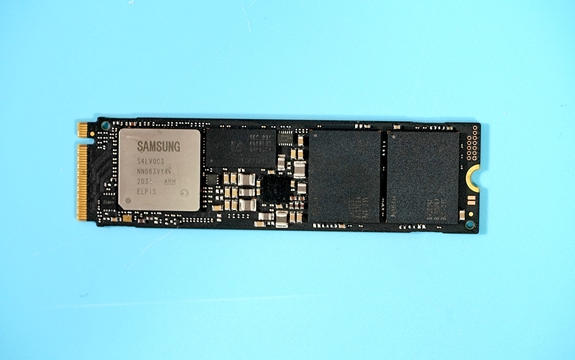
According to Bobantang,Samsung Electronics and Kingston have issued official price adjustment notices to their two-way channel dealers this week. All their SSD products will increase by no less than 10%, effective immediately.This is the second wave of concentrated price increases initiated by major storage manufacturers in April.
At the beginning of this month, Samsung and Western Digital quietly increased the prices of some high-end M.2 SSDs by nearly two times, and the price of 8TB flagship disks in some markets once exceeded US$4,000.
Nowadays, the new and old rounds of price increases are superimposed, and retail prices have been completely pushed to historical highs.
Looking at the specific model, Samsung 990 PRO 1TB currently sells for about US$300-330 overseas. After this round of increase of 10%, it will hit US$330-360. Last year, the price of the same product was less than $100, but now it has jumped three to four times.
Domestically, the price of conventional domestic PCIe 4.0 1TB solid-state drives has climbed to about 900 yuan, and the 2TB model is about 1,500 yuan.
According to the latest estimates from TrendForce, NAND Flash contract prices will increase by another 70% to 75% quarter-on-quarter in the second quarter of 2026, and DRAM contract prices will also increase by 58% to 63% quarter-on-quarter.
The core driving force for this round of price increases is still the continued high cost of upstream NAND flash memory particles.
Industry insiders pointed out that the demand for AI servers continues to be strong, and leading original manufacturers have shifted a large amount of advanced production capacity to HBM and enterprise-level SSDs. The supply of consumer-grade products continues to shrink, and the tight supply is expected to continue until 2027.
In view of the leading positions of Samsung and Kingston in the industry, this joint price adjustment may prompt other brands to quickly follow suit, and it is a foregone conclusion that the SSD retail market will rise again.
For ordinary consumers, the possibility of short-term price cuts for solid-state drives is slim.