On April 27, the Financial Times reported that just two years after building its first car, China's leading smartphone manufacturer Xiaomi has delivered 650,000 electric vehicles. This number is comparable to Tesla's sales in China, the world's largest auto market, last year.
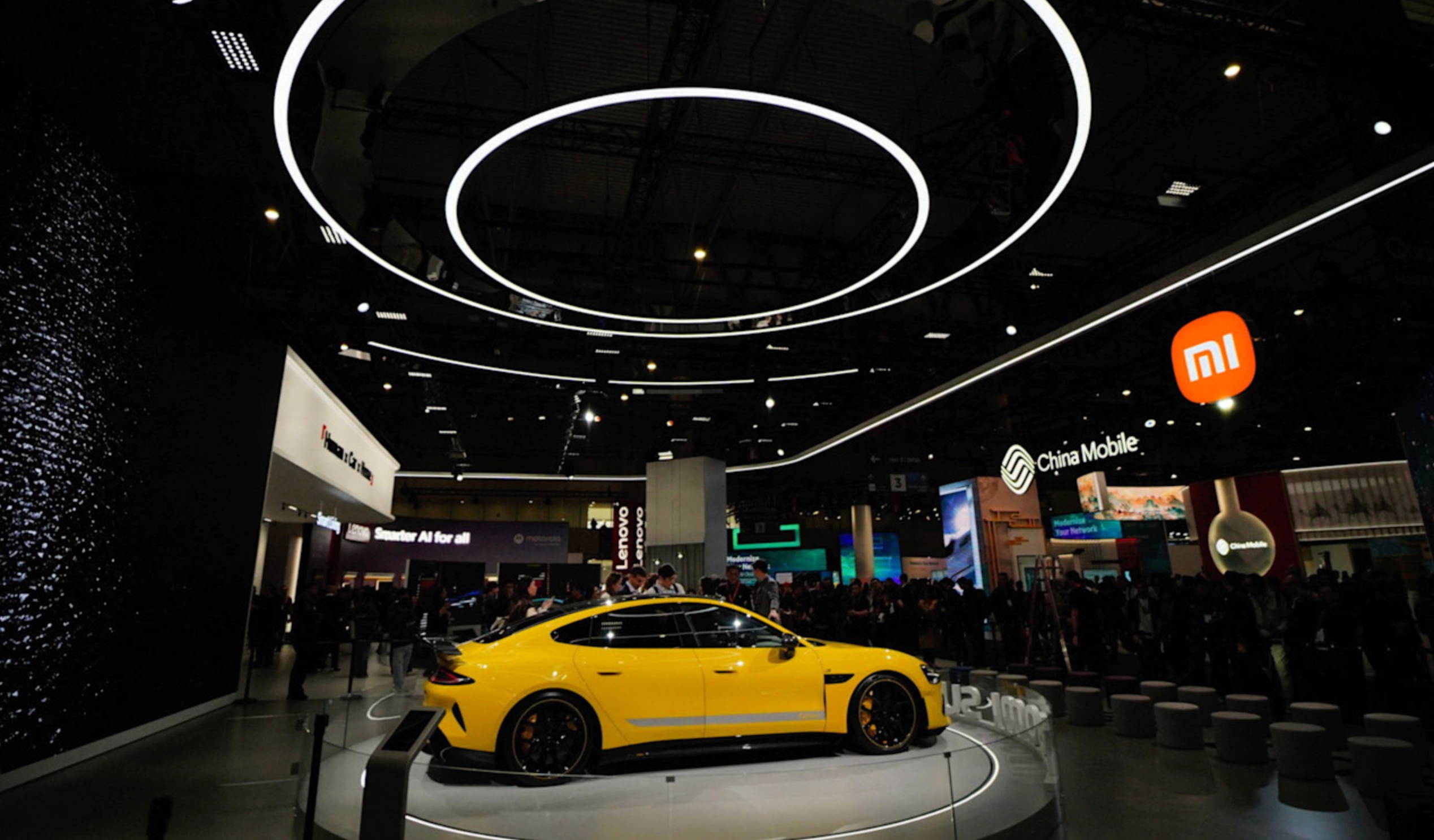
Figure 1: Xiaomi SU7
Now, Xiaomi founder Lei Jun plans to enter the European market with its high-end electric cars to challenge Elon Musk's Tesla. These models are known for their amazing acceleration performance and advanced configuration, and even attracted Ford CEO Jim Farley.
Since Lei Jun announced his car-building plan in 2021, Xiaomi has launched its first model: SU7 in just three years, shocking the global automobile industry. 50,000 units of the car were snapped up within 30 minutes of opening reservations.
After SU7 became China's best-selling car, Xiaomi's second model YU7 received 200,000 pre-orders in just three minutes when it was released last year. This $35,000 model is designed to compete with the Tesla Model Y, and its design resembles the Ferrari Purosangue.
European engineers participate in development
Speaking at the annual Beijing Auto Show on Friday, Lei Jun said the new YU7 GT model "can meet the standards of Germany's top cars." This model, expected to be released at the end of May, is the first model jointly developed by Xiaomi and European engineers.
"In just five years, Xiaomi has made extraordinary achievements. But today, many people still don't understand Xiaomi cars and even have some prejudices." Lei Jun said.
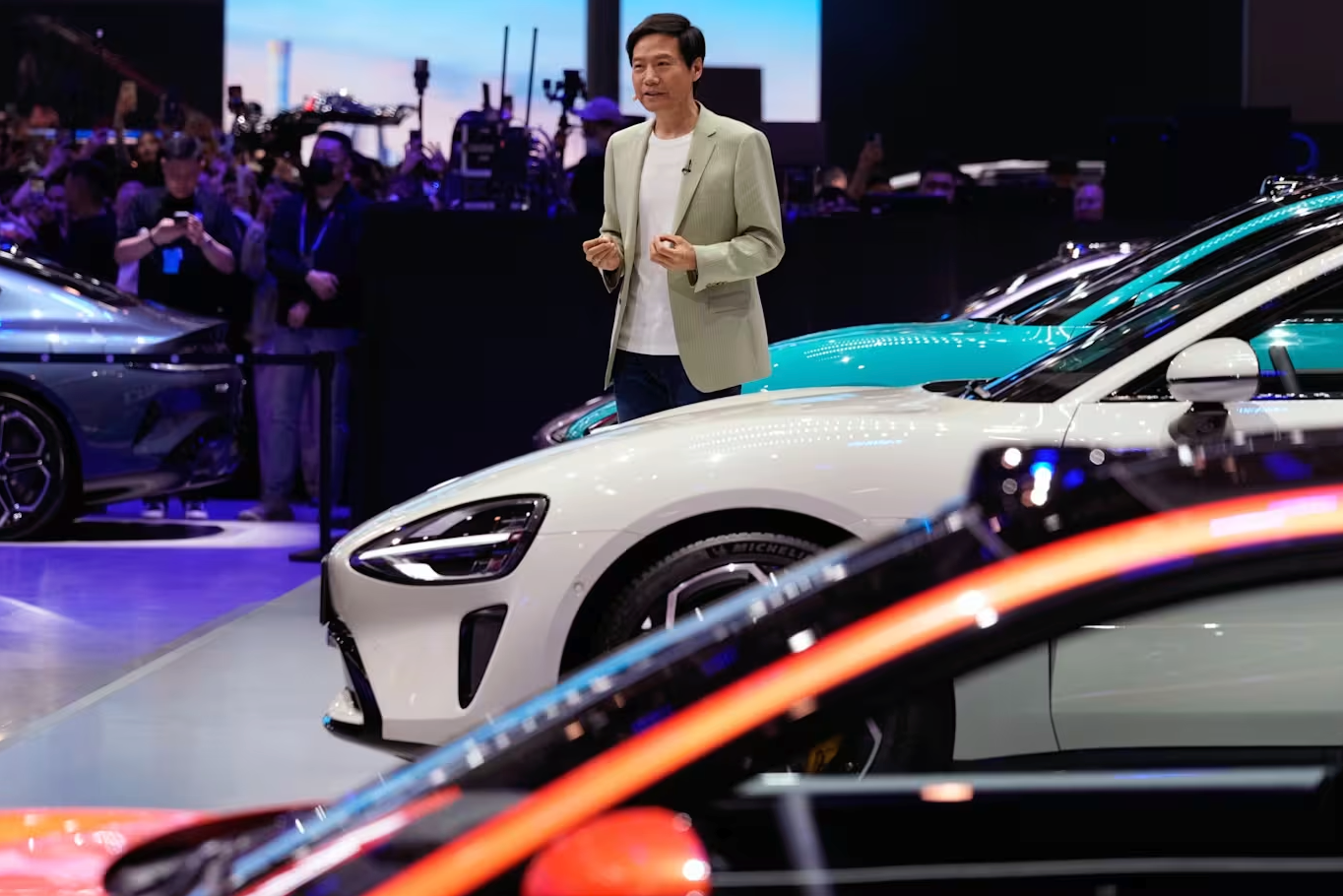
Figure 2: Lei Jun at the Beijing Auto Show
In the current fierce competition in China's automobile industry, although Xiaomi's new Beijing factory produced 410,000 cars last year, demand still exceeds supply.
Since its establishment in 2010, Xiaomi's revenue has grown rapidly, reaching 457.3 billion yuan (about 67 billion U.S. dollars) last year.
However, analysts say Xiaomi is not immune to fierce price competition. This competition has eroded profits and sales of BYD and other mass-market brands, forcing them to seek growth in international markets.
Sales growth of electric vehicles in China is also expected to slow after explosive growth over the past decade. "They need to look for growth markets elsewhere, and this is a rational decision made by Xiaomi." said Ernan Cui, a research analyst at Kafuka.
Xiaomi’s advantages
Xiaomi is the third largest smartphone brand in Europe. Cui Ernan pointed out that Xiaomi has experience in selling consumer electronics products overseas. "Compared to Chinese electric vehicle startups, Xiaomi has a stronger global sales network. Compared with traditional car manufacturers, its products are also more competitive."
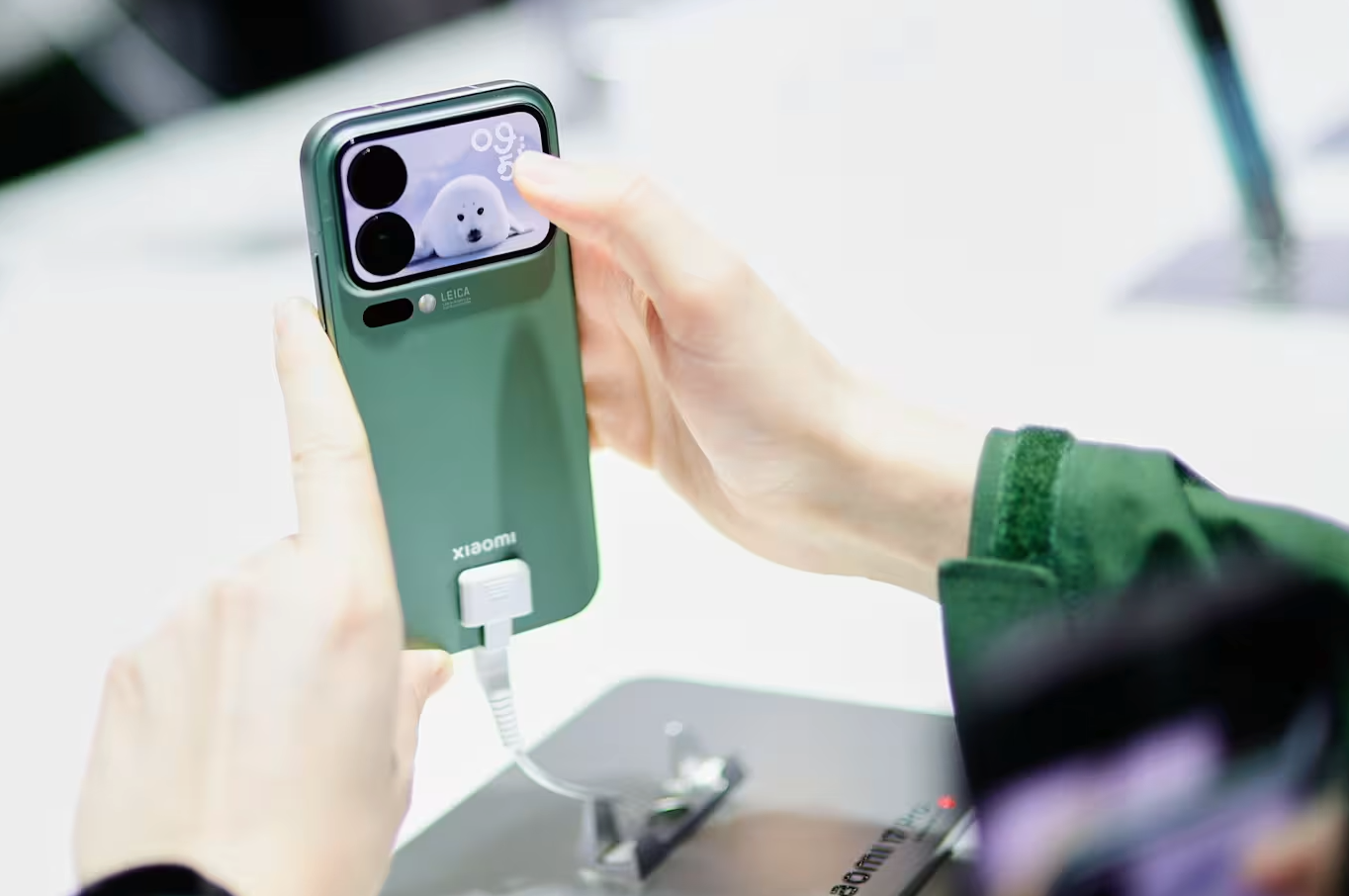
Figure 3: Xiaomi is the third largest mobile phone brand in Europe
Xing Lei, founder of Chinese consulting firm AutoXing, said Xiaomi's main competitors will be Tesla, Porsche, BMW and Mercedes-Benz. "Xiaomi has laid a brand foundation in the European consumer electronics field, which is a significant advantage over other Chinese brands." He said.
Xiaomi has not yet revealed which European market it will enter first, but it set up an electric vehicle research and development center in Munich last year and hired more than 75 engineers. Many Chinese brands have rapidly expanded into the European market and are priced at about twice as much as domestically, but the models are still price-competitive thanks to advanced software technology.
"The European market is very important to us," Xiaomi Chief Marketing Officer Xu Fei said when he first explained the strategy to international media before the Beijing Auto Show. "We really want to provide products with better quality and better performance."
Xiaomi has deployed its own manufacturing processes and materials at its only electric vehicle factory in China to reduce production costs while improving the durability of its vehicles. The factory rolls off a car every 76 seconds, has an automation rate of 91%, has hundreds of robotic arms participating in assembly, and is equipped with "autonomous mobile robots" to transport parts within the factory.
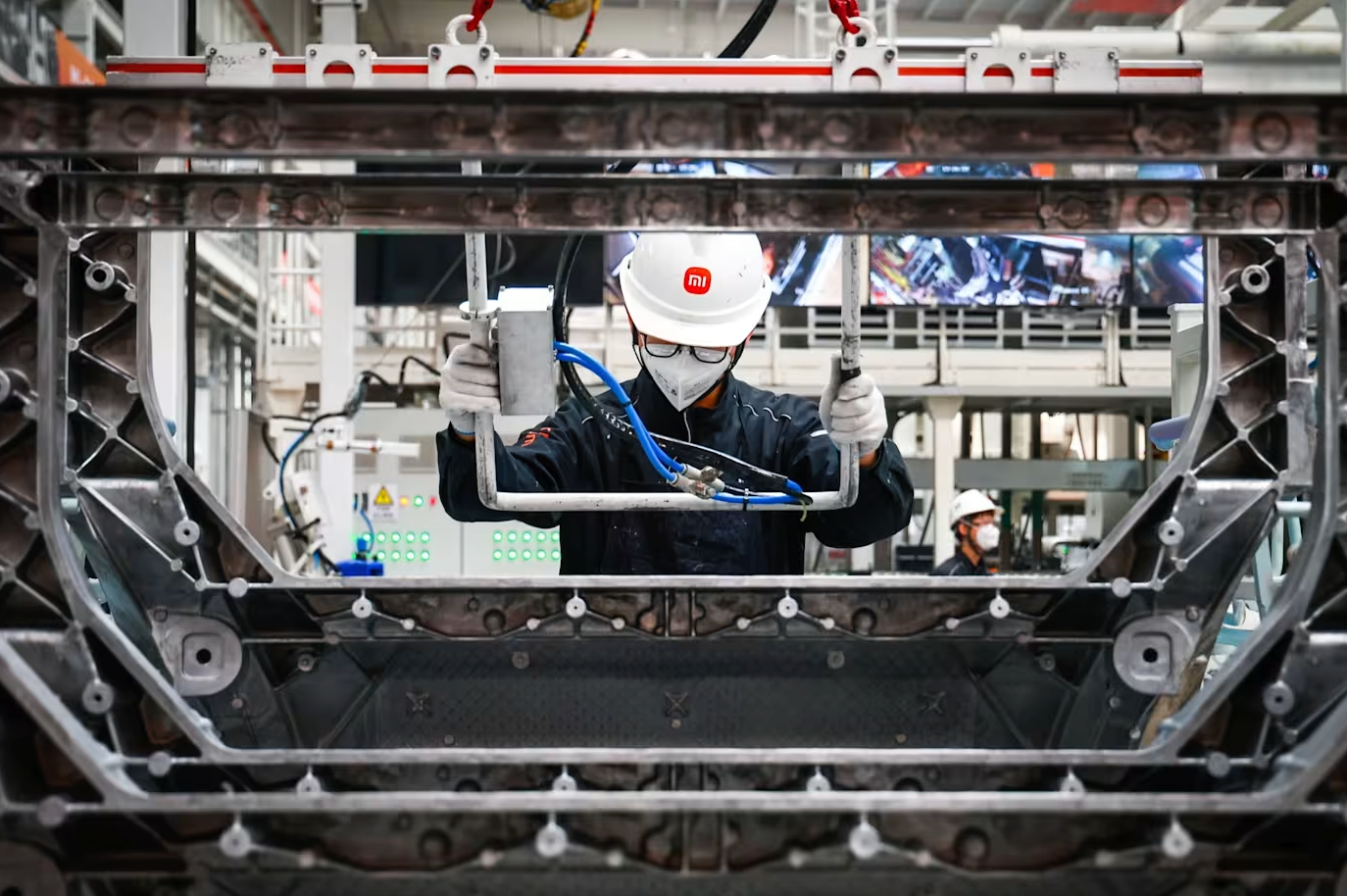
Figure 4: Xiaomi adopts independent manufacturing process
At the design level, Xiaomi still sets its benchmark against competitors such as Tesla and Porsche. However, Xiaomi Chief Financial Officer Lin Shiwei recently told Nicolai Tangen, the head of Norway's $1.8 trillion oil fund, that European automakers lack the ability to "car intelligence" and connect electric vehicles to the broader ecosystem, including Xiaomi smartphones and home appliances.
He pointed out that many European car companies frequently visit their factories, adding: "I think you've seen that there is cooperation between European and Chinese companies, and I think that will help push the entire industry forward."
challenge
But analysts say Xiaomi will face challenges replicating its success in China in the European market, which has strong brand loyalty, especially for high-end German brands.
According to data from Schmidt Automotive Research, in the first three months of this year, Chinese brands accounted for 8.6% of the new car market in the United Kingdom and Europe, but their shares in countries such as Germany and France were far lower than this level.
"The entry ceremony to enter the high-end market is extremely long. Xiaomi still has a chance of success in Europe, but it is more likely to be at the expense of squeezing the share of mass model manufacturers rather than impacting German high-end brands." Matthias Schmidt, founder of Schmidt, said.
Chris Liu, a Shanghai-based analyst at consulting firm Omdia, said that in Europe, Xiaomi will also lose the supply chain synergy and other advantages it enjoys in China. It is these advantages that allow the Chinese company to develop cars with advanced features so quickly and cost-effectively.
"Many of Xiaomi's competitiveness are tied to China's ecosystem, which is difficult to transplant to Europe." Liu Yuncheng said.