
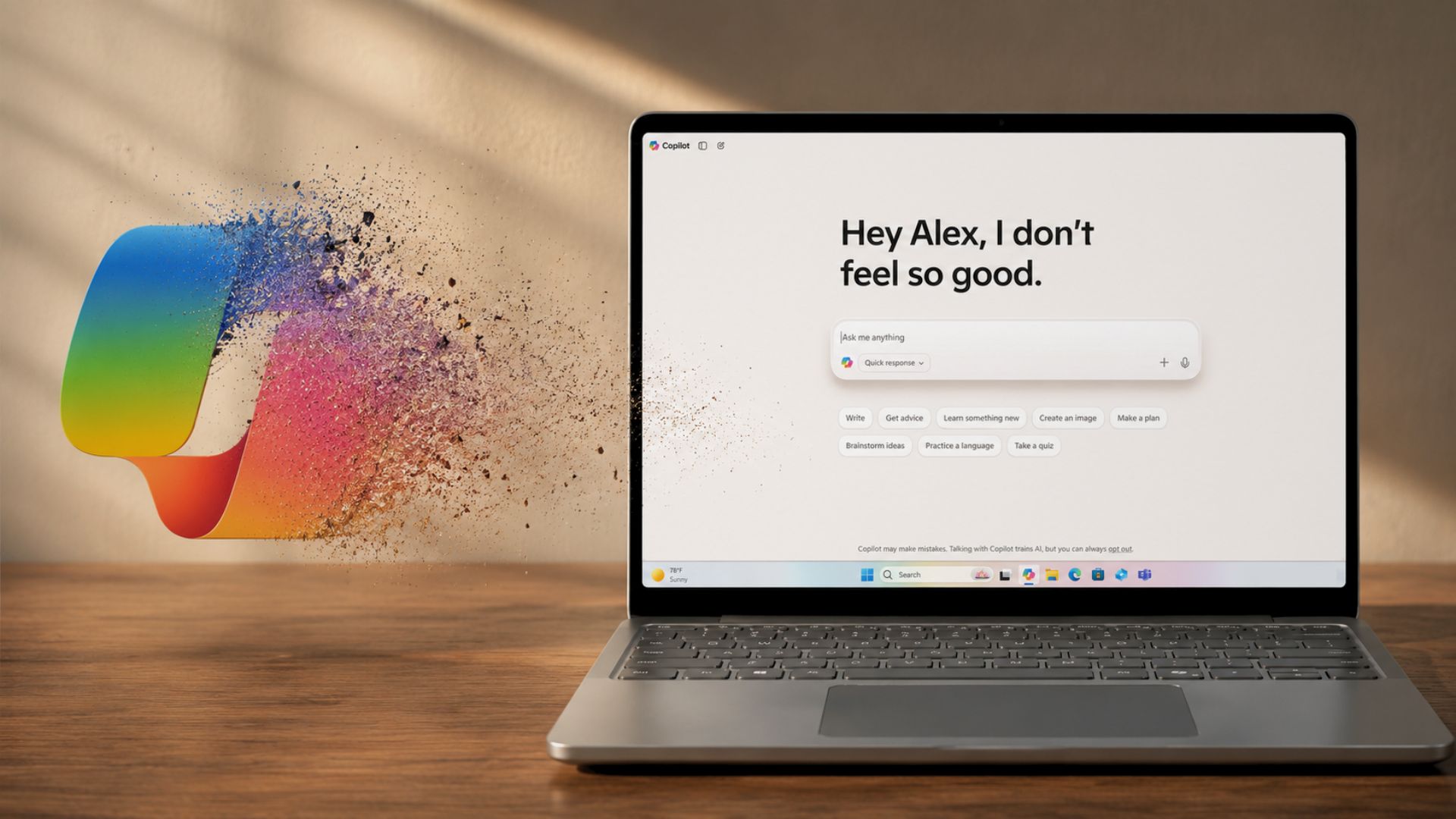
In the past two years, the Windows ecosystem has almost become a giant billboard for Microsoft’s artificial intelligence ambitions, but now this era of “forcing AI on everyone” is quietly fading away. The real turning point came not from a polished official press release but from a subsequently deleted X post.
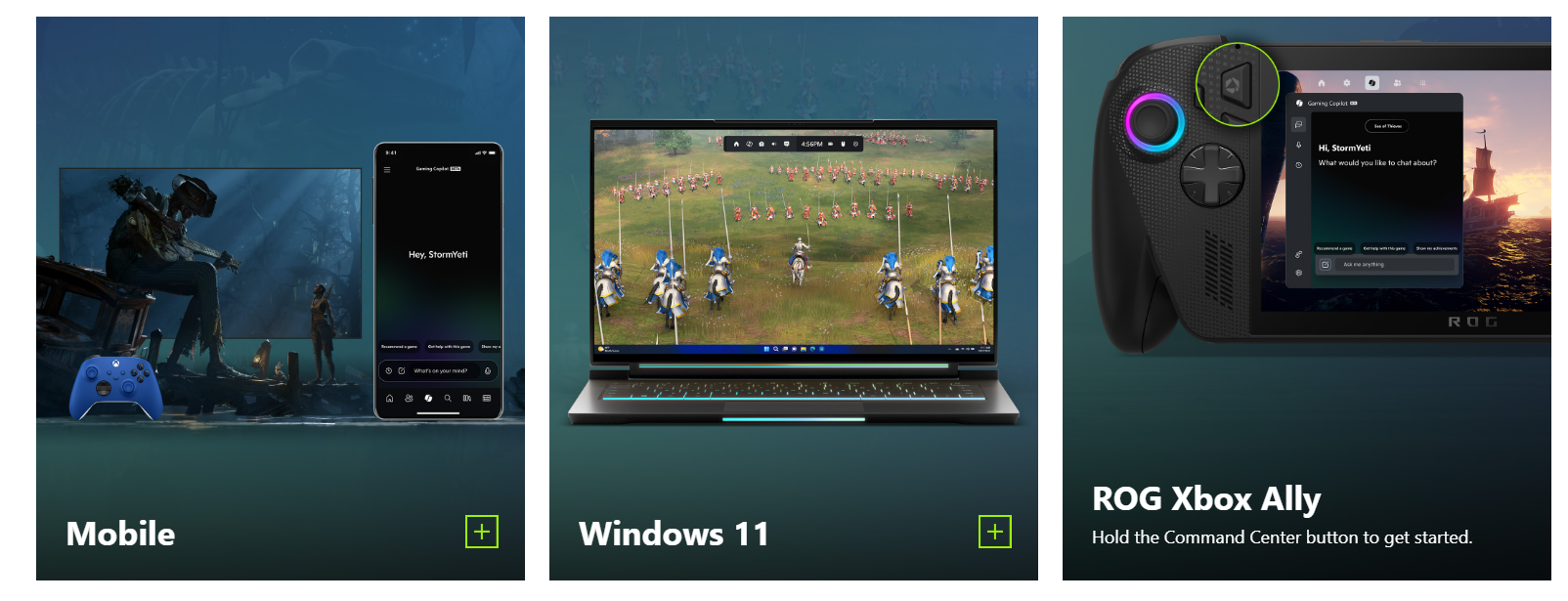
Earlier this week, Xbox CEO Asha Sharma announced major changes to the Xbox business’s senior team, saying that he wanted to get the gaming brand “back on track.” In a subsequent public statement, she put it bluntly: "As part of this adjustment, you will see us begin to phase out features that are inconsistent with our future direction. We will begin to phase out Copilot on mobile and cease development for console Copilot."
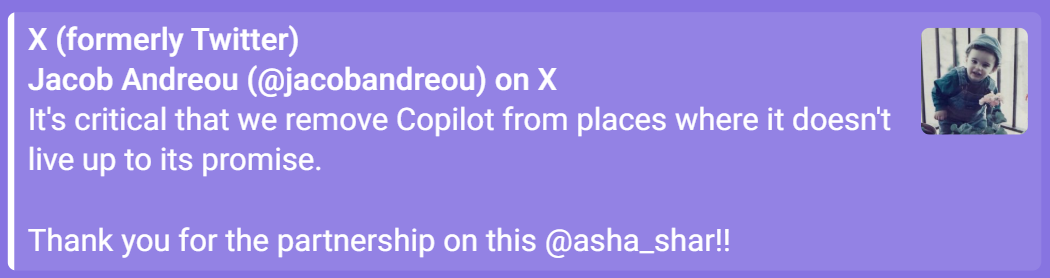
If it wasn't surprising enough that the head of Xbox personally announced the "execution" of the company's flagship AI product, then Microsoft AI The subsequent response given by the line manager was even more intriguing. Jacob Andreou, Copilot’s recently appointed executive vice president, forwarded Sharma’s statement and said bluntly: “At Copilot It’s crucial to remove it where it fails to deliver. Thank you for your cooperation, @asha_shar!”
What’s even more dramatic is that this statement was deleted by Andreou shortly afterwards. The deletion itself is a strong signal: It shows that Microsoft's internal determination to "clean up the Copilot mess" is real, but admitting failure in public is still extremely sensitive at the corporate image level. But the words have been released, and it is difficult to pretend that nothing has happened - the executive in charge of Copilot has personally admitted that Copilot must withdraw from places that "should not be present."
To understand where Copilot is going, you have to look back at the promises Microsoft made this spring. On March 20, Pavan Davuluri, president of Microsoft's Windows and Devices Division, published a blog post announcing that he would re-commit to Windows quality, which is equivalent to delivering a "truce statement" to users: reducing interference and curbing the rampant expansion of AI. Judging from recent actual implementation, this promise is gradually being fulfilled. The first to be "cleaned" are the system's built-in applications in Windows 11.
According to public information, Microsoft has quietly completely removed the “Ask Copilot” button from the Snipping Tool and Photos app. In Notepad, the once prominent and brightly colored Copilot icon has also been removed from the upper right corner, and although the generative AI functionality remains, it has been renamed the more tool-based "Writing Tools." TAGPH 0 "Invisible" in the interface. Replacing Copilot's unified brand with a scene-friendly name like "Writing Tool" is essentially an acknowledgment that users need easy-to-use, low-intrusion software, not a ubiquitous AI image that "stares at you" like a chatbot.
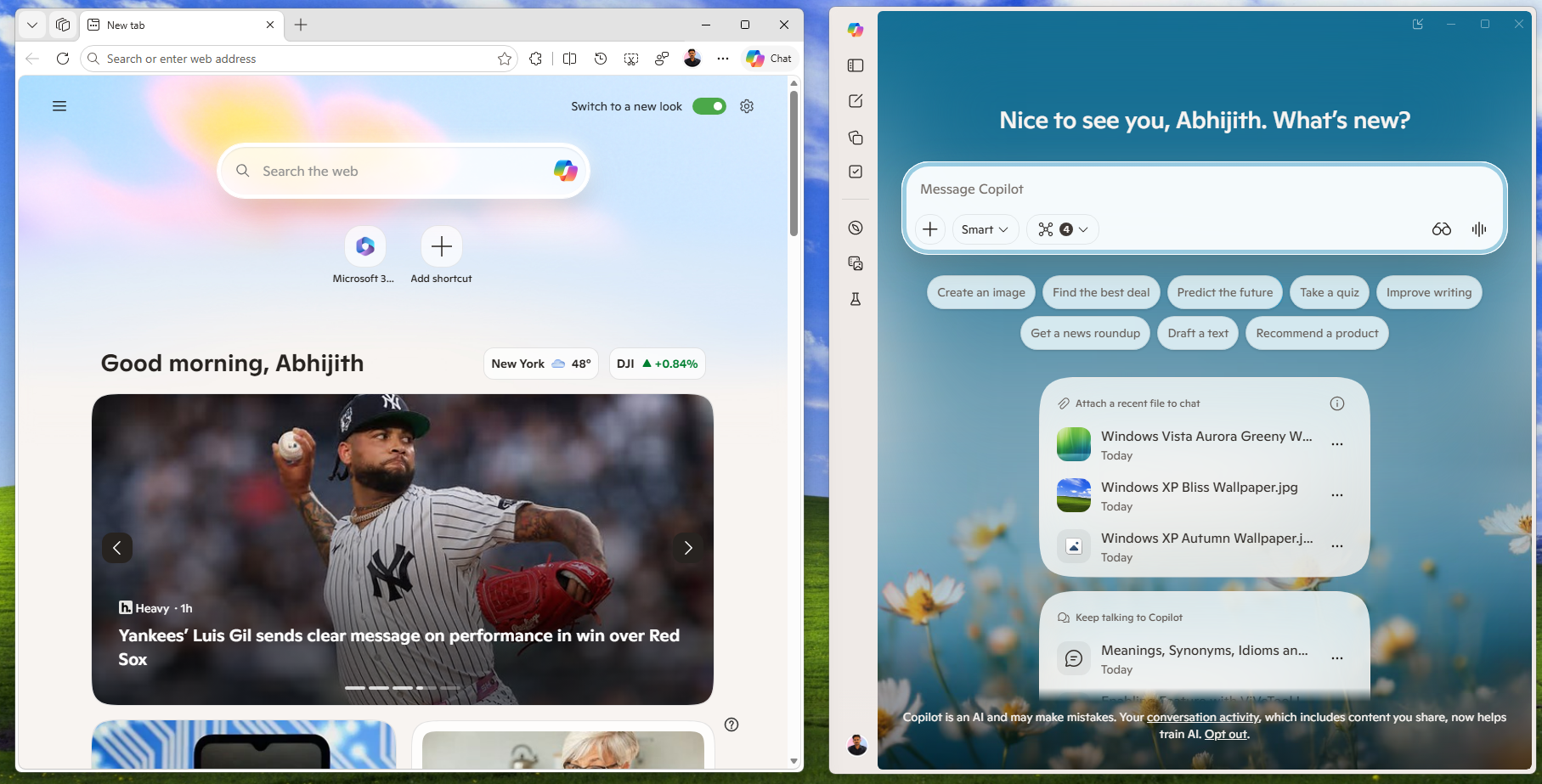
Back to the stage when Copilot was first launched, it once received quite positive initial reviews in the market. Against the backdrop of increasingly fierce AI competition, Microsoft bet on OpenAI and invested billions of dollars, hoping to recoup its investment by accelerating the promotion of Copilot. Subsequently, Microsoft made a radical choice: pasting Copilot on almost all products - Office 365 was reshaped into Microsoft 365 Copilot, the Windows taskbar was "occupied" by the Copilot icon, and the Edge browser was also forcibly injected with Copilot elements. Its interface became more and more like a Copilot shell, full of rounded corners and AI customized design.
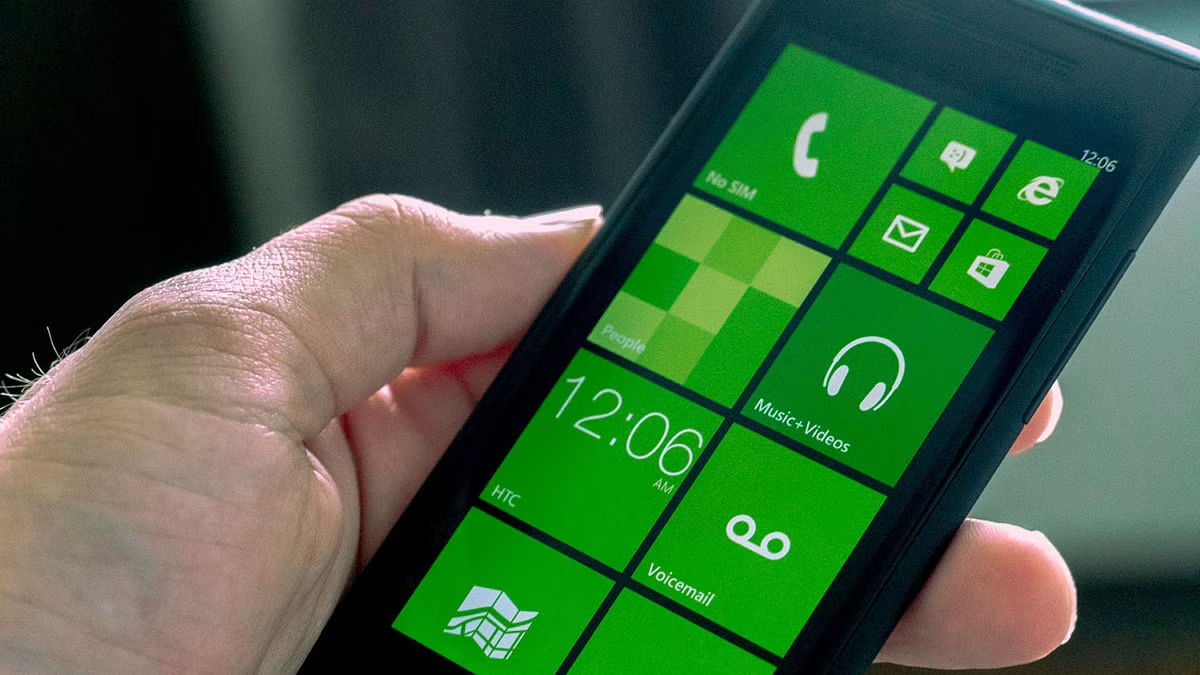
However, like the tablet PC in 2001, the Windows Phone UI in 2010, the HoloLens in 2016, the Surface Duo in 2020 and other products, the problem ultimately lies in "timing". While Microsoft is pushing forward this large-scale AI integration most vigorously, Windows itself has experienced the worst one-year development cycle in recent years.
Throughout 2025, Windows 11 has been plagued by a series of serious problems: security updates have caused corporate PCs to fail to boot, File Explorer is stuck, the dark mode interface has been "broken" by updates, and the overall operating system experience has been frequently complained about by users as "broken." In the midst of this technological crisis, CEO Satya Nadella mentioned in a high-profile conversation with Mark Zuckerberg that 20%–30% of the code in Microsoft’s code base is “written by software”, that is, automatically generated by AI.
From the perspective of users, this was almost a public relations disaster: Windows 11 was full of problems, and Microsoft was using AI to write system code, so the impression that "Windows was broken by Copilot" quickly spread among the community. The Copilot brand became the scapegoat for all system crashes, malfunctions, and anomalies, and the antipathy of public opinion rose to a new level, even derogatory nicknames such as "Microslop" were born. In the end, Microsoft had to ban the word from the official Discord server. In the minds of consumers, the AI brand Copilot has almost been “poisoned”.

But if Copilot has such a bad reputation in the C port, why is Microsoft still investing in it? The answer lies in corporate business. While gamers and enthusiasts are laughing at AI integration, Microsoft's enterprise arm is printing money like crazy with Copilot. During its recent earnings call, Microsoft revealed that more than 20 million enterprise users are now paying for Copilot subscriptions, which is up about 33% from just a few months ago.
Satya Nadella also emphasized that from the perspective of weekly usage frequency, the intensity of use of Copilot by corporate users is already "comparable" to the Outlook email service. In other words, Copilot is a huge commercial success in helping companies summarize reports and draft promotional emails, but it is a complete failure in positioning as a "personal assistant" on the consumer side. Microsoft seems to be waking up to this, which explains why it has chosen to remove Copilot from Xbox and system apps for general users.
What prompted Microsoft to pivot was also external pressure from Apple. While the reputation of Windows 11 continues to decline in 2025, Apple launches MacBook Neo. This notebook equipped with A18 Pro and fanless design starts at only US$599. The extremely aggressive pricing once shook the entry-level PC market. Apple continues to reinforce user expectations in terms of battery life, performance and a clean, ad-free software experience, which are precisely the areas where Windows OEMs have relied on in the past.
A large number of users who were still insisting on using old Windows 10 devices and refused to upgrade to Windows 11 because they were dissatisfied with Copilot stacking, ads and various bugs took the opportunity to switch to the macOS camp. In a sense, it was Windows itself that "nudged" potential upgraders toward Apple's most attractive entry-level MacBook in history.
This survival pressure finally gave birth to Microsoft’s March 20th commitment on Windows 11 quality. Microsoft realizes that if it does not patch vulnerabilities as soon as possible, weaken AI interference, and improve the underlying performance of the system, the migration wave brought by MacBook Neo may erode Windows' consumer market share in the long term.
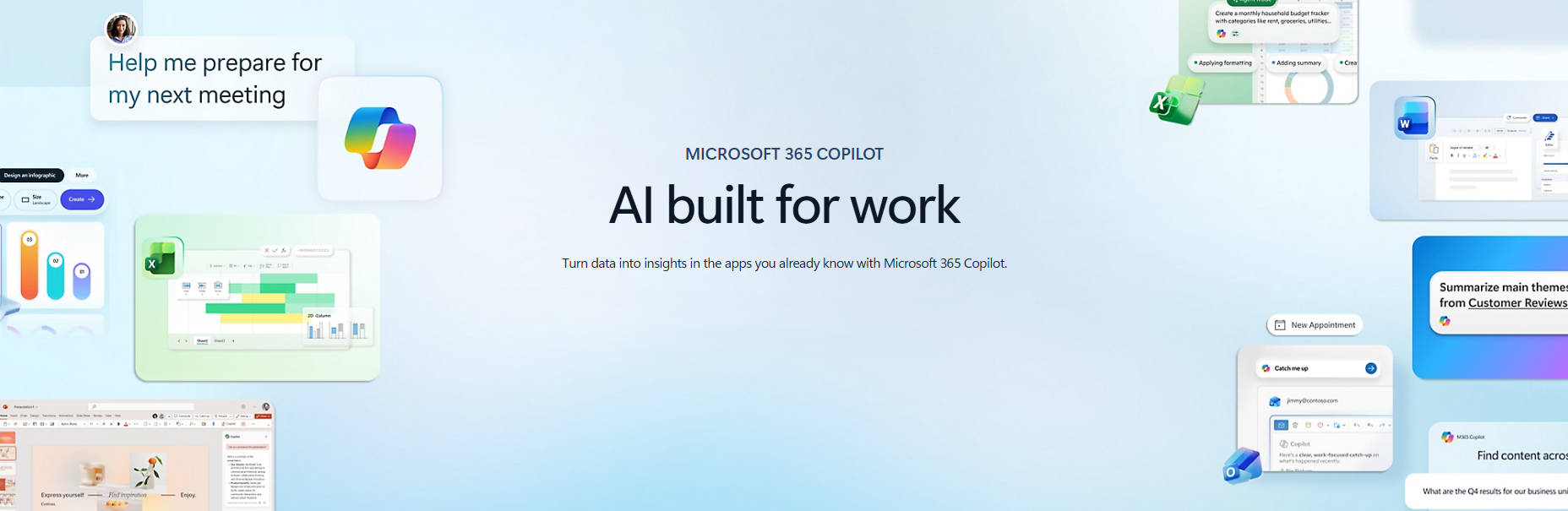
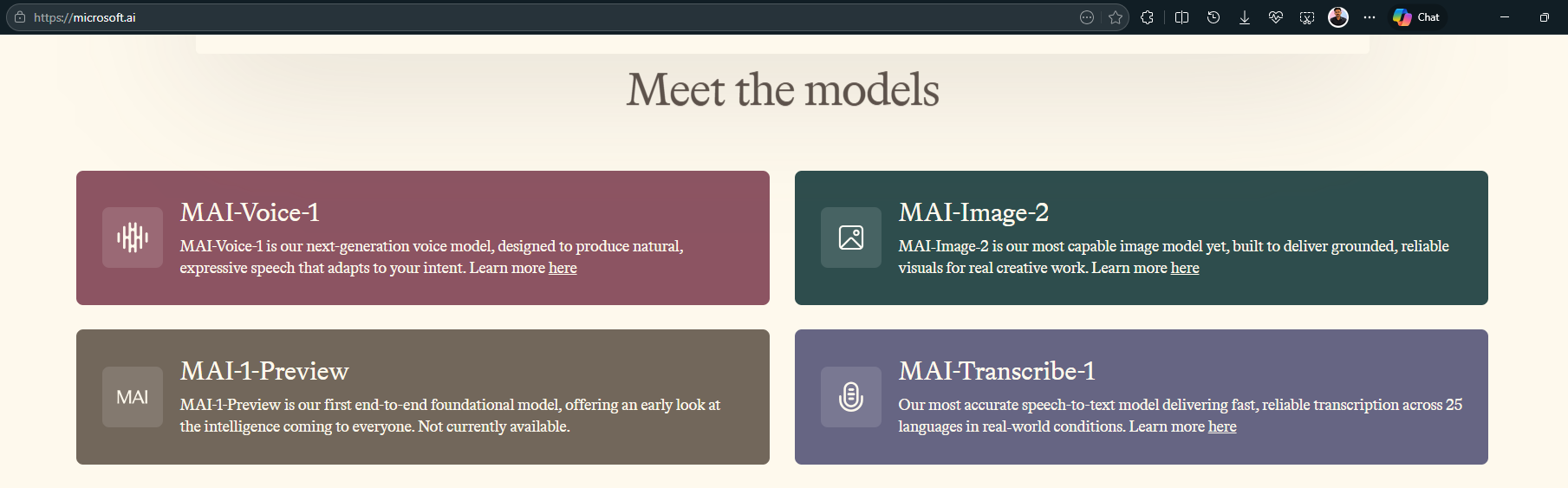
Looking to the future, the routes of Copilot and Windows 11 seem to be clearly differentiated: Windows 11 returns to the "tinkering" engineering rhythm, while Copilot is upgraded to a "productivity engine" on the enterprise backend. Microsoft has not backed down in AI research and development, but continues to increase its efforts. Recently, the company has launched a series of new AI models, including more advanced speech and text transcription models, and the self-developed second-generation image model MAI-Image-2.
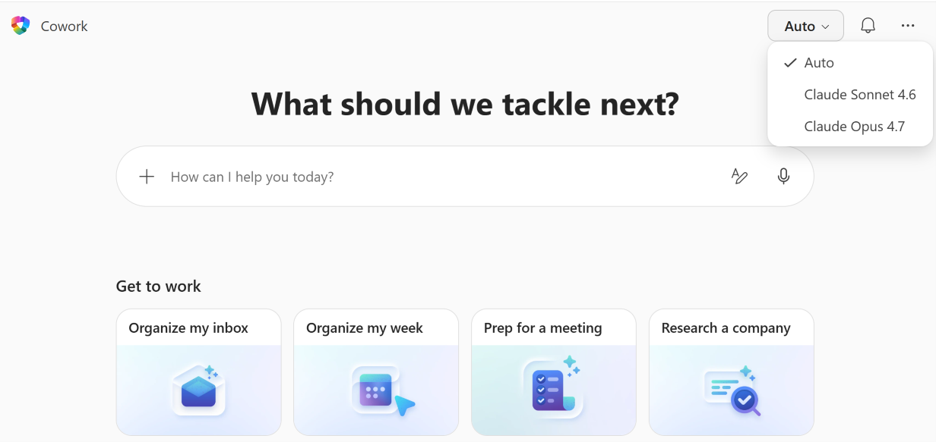
At the same time, the Microsoft 365 Copilot ecosystem is gradually opening up to third-party models, such as models with stronger capabilities such as Anthropic's Claude Opus 4.7. Microsoft is building so-called "agent" capabilities, allowing AI to run quietly in the background of Microsoft 365 to complete multi-step tasks across documents and processes, gradually transforming from a "chat-based product" to an "invisible labor force in enterprise workflows."
Correspondingly, Windows 11 was handed over to a "repair team" to take care of. Marcus Ash, head of Windows Insider, and Tali Roth, product lead for Windows Shell, have frequently appeared on social platforms recently, actively responding to community feedback and pushing for real performance updates to be launched. For example, they publicly acknowledged the lag problem in File Explorer and emphasized that more fixes would be introduced in addition to the preloading mechanism to gradually straighten out the complex code base that dragged the system into the quagmire in 2025.
What is confusing is that the attitude of senior management on Windows issues still seems quite "silent". Although Satya Nadella mentioned in the latest quarterly financial report communication that Microsoft hopes to "win back" users who are disappointed with Windows 11 and will improve performance on low-memory devices, this statement is mainly for investors rather than speaking directly to end users. In his public speeches and social media activities, the focus is almost entirely occupied by enterprise AI and cloud infrastructure, which may also be an "avoidance" choice in the current situation.
It is foreseeable that "Copilot+ PC", as a mandatory label for consumers, is quietly fading out of the stage - although the related brand names have not completely disappeared yet. In the near future, AI on Windows is likely to only exist in the form of a "tool" like spell checker and calculator: when you need a "writing tool" in Notepad, it will appear quietly, but it will not steal the spotlight.
Microsoft learned through a rather tortuous process: for the operating system, what users want is not a nagging "co-pilot", but a "cockpit" that allows them to drive with peace of mind.