Taiwan's high-speed rail has recently exposed a major communication security vulnerability. A 23-year-old college student successfully forged a general alarm signal using only a set of radio equipment purchased online, forcing multiple high-speed trains to make emergency stops, raising questions about the protective capabilities of the railway communications system.
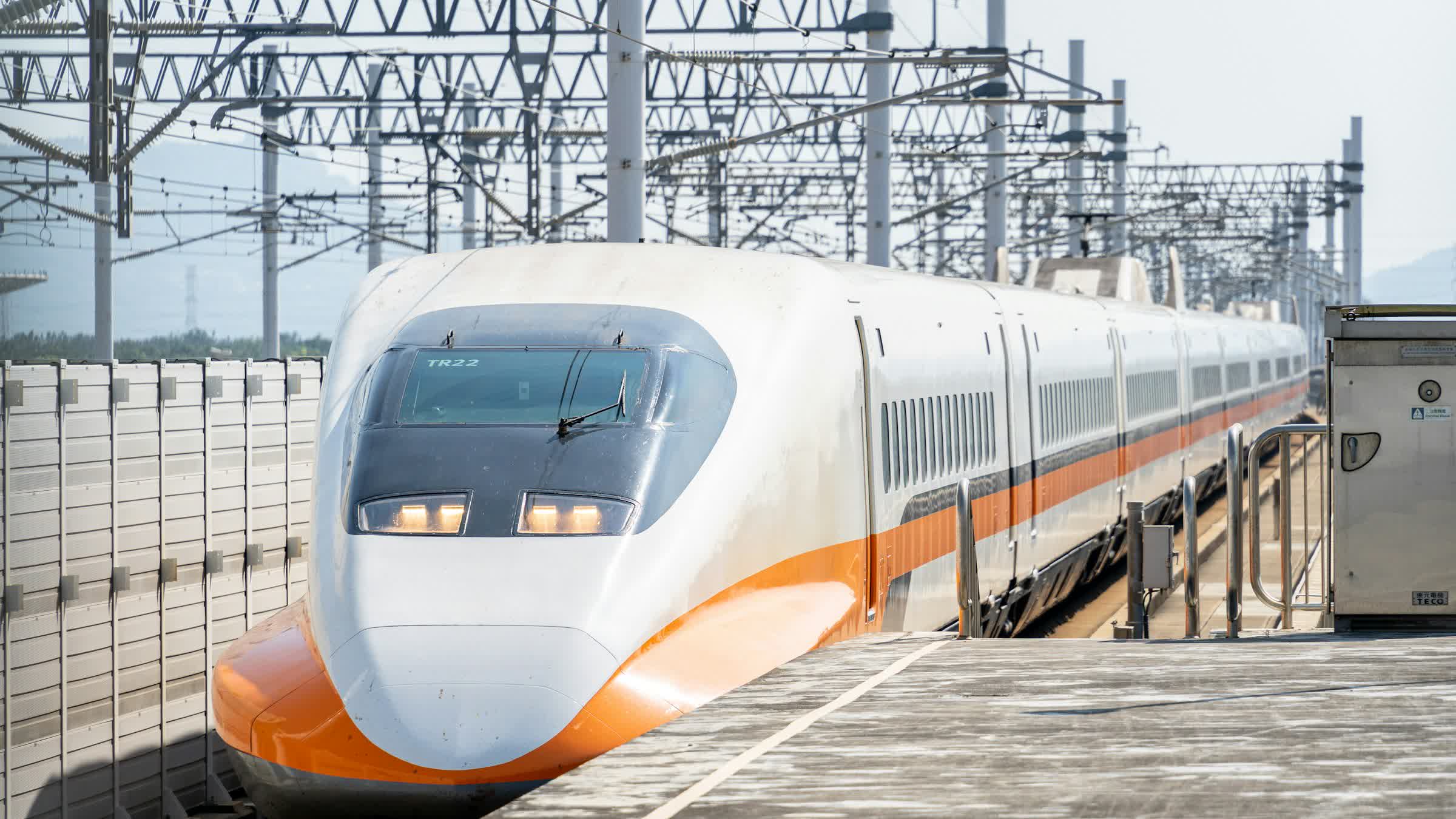
Taiwan High Speed Rail Corporation (THSR) confirmed to local media that the incident occurred on April 5. At that time, a total of three to four high-speed rail trains were forced to stop running for about 48 minutes due to sudden "General Alarm" signals, and relevant emergency response procedures were initiated, requiring the trains to be stopped manually. According to established procedures, this type of general alarm should have been issued by station personnel through special equipment, but investigation showed that the signal this time came from a 23-year-old student Lin, rather than from any authorized terminal.
According to reports, Lin analyzed the radio communication signals of Taiwan's high-speed rail through software-defined radio (SDR) equipment purchased online. After downloading the obtained data to a computer, he decoded the TETRA (Trunked Radio Communication Standard) parameters used in it, and then wrote the corresponding code into a handheld walkie-talkie, disguising these devices as legitimate beacons, thus sending a general alarm signal to the high-speed rail control center in Taoyuan. The police said that a 21-year-old accomplice provided Lin with some high-speed rail communication parameters to assist him in completing the attack.
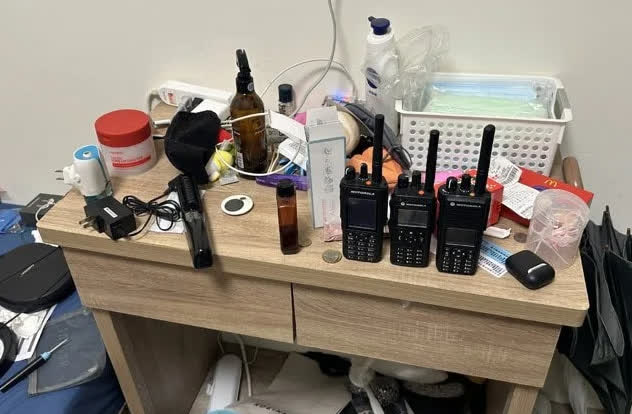
After the incident, Taiwan High-Speed Railway immediately conducted an investigation of internal equipment and confirmed that no authorized radio equipment was lost or misused. This discovery pointed the direction of the investigation to "signal cloning" and forged emission sources. The police later reviewed surveillance video and TETRA network logs, and searched Lin's residence and workplace on April 28. At his residence, police seized a laptop computer, multiple smartphones, an SDR device and multiple handheld walkie-talkies, with the number varying from 7 to 11. Investigators pointed out that these devices not only have access to high-speed rail frequency bands, but also cover frequencies used by the New Taipei City Fire Department and Taoyuan Airport MRT lines.
This incident quickly attracted the attention of Taiwan's transportation authorities. Taiwan's Ministry of Transportation has requested a comprehensive review of the security of railway communication systems, while legislators have questioned whether the replacement cycle, maintenance procedures and security strategies of high-speed rail communication equipment are regularly updated. Some opinions pointed out that the current system has been in use for nearly 19 years, and Lin was able to bypass the multi-layer verification mechanism, indicating that the existing protection design may have serious lag issues.
After being interrogated, Lin was released on bail pending questioning in NT$100,000 (approximately US$3,280). His lawyer argued that the general siren launch on April 5 was an "accidental act," but the prosecutor did not accept this argument. At present, Lin may face related charges such as "endangering public transportation safety" and "illegal interference with radio communications". If convicted, he may be sentenced to a long period of imprisonment.
This case of "a handheld radio causing a high-speed train to come to a halt" not only highlights the risk of professional skills falling into the wrong hands, but also sounds an alarm for the critical infrastructure of countries that rely on radio systems: in the reality that the threshold for commercial software and hardware is constantly lowering, the security boundaries of traditional communication and control systems are facing unprecedented pressure.