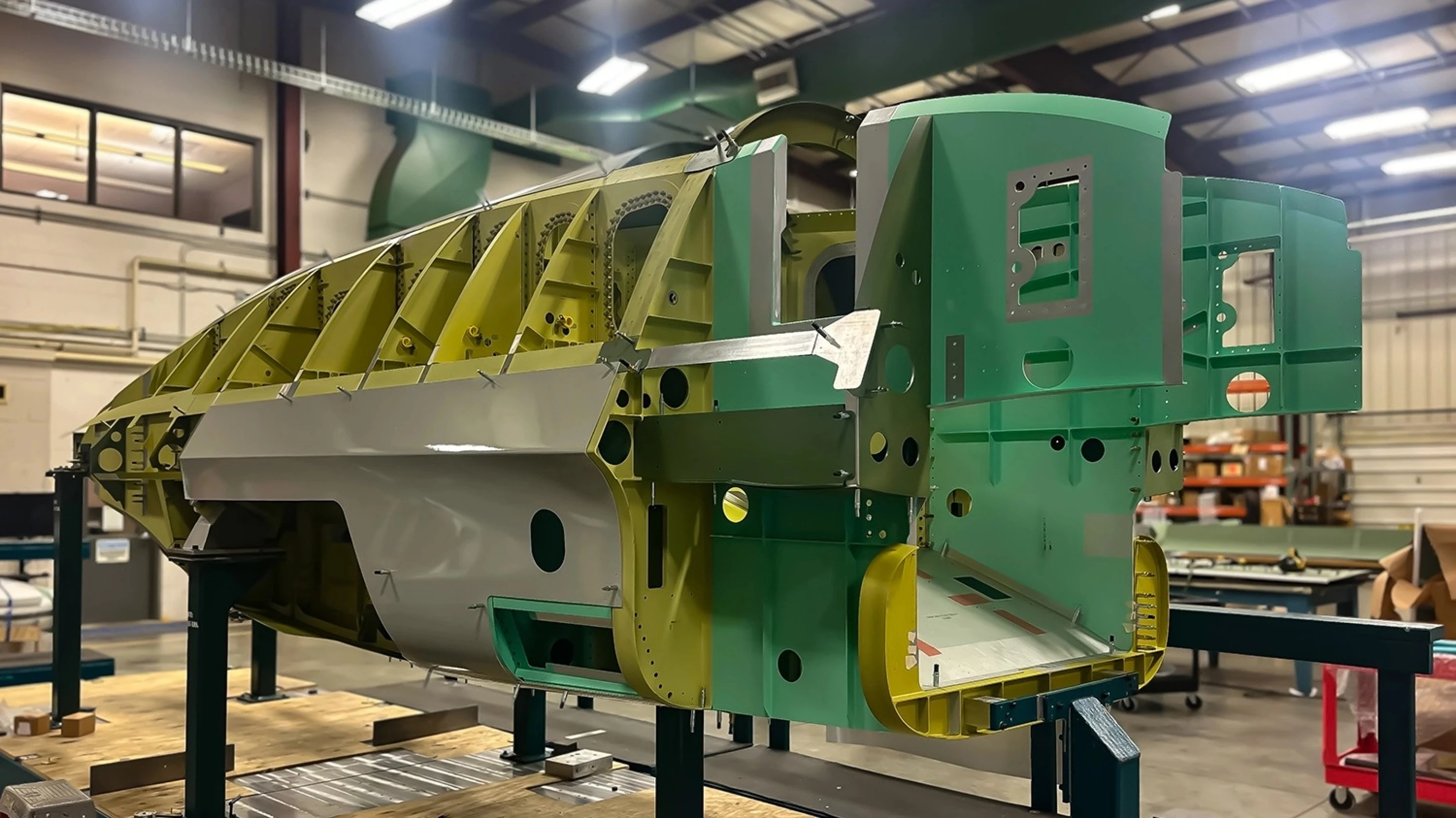
The U.S. Defense Advanced Research Projects Agency (DARPA) is developing a new aircraft called the X-65 that uses air injection to replace traditional flight control systems. Currently, the fuselage has been preliminarily formed at Boeing subsidiary Aurora's Bridgeport, West Virginia, factory, awaiting installation of its highly innovative diamond-shaped wing design.
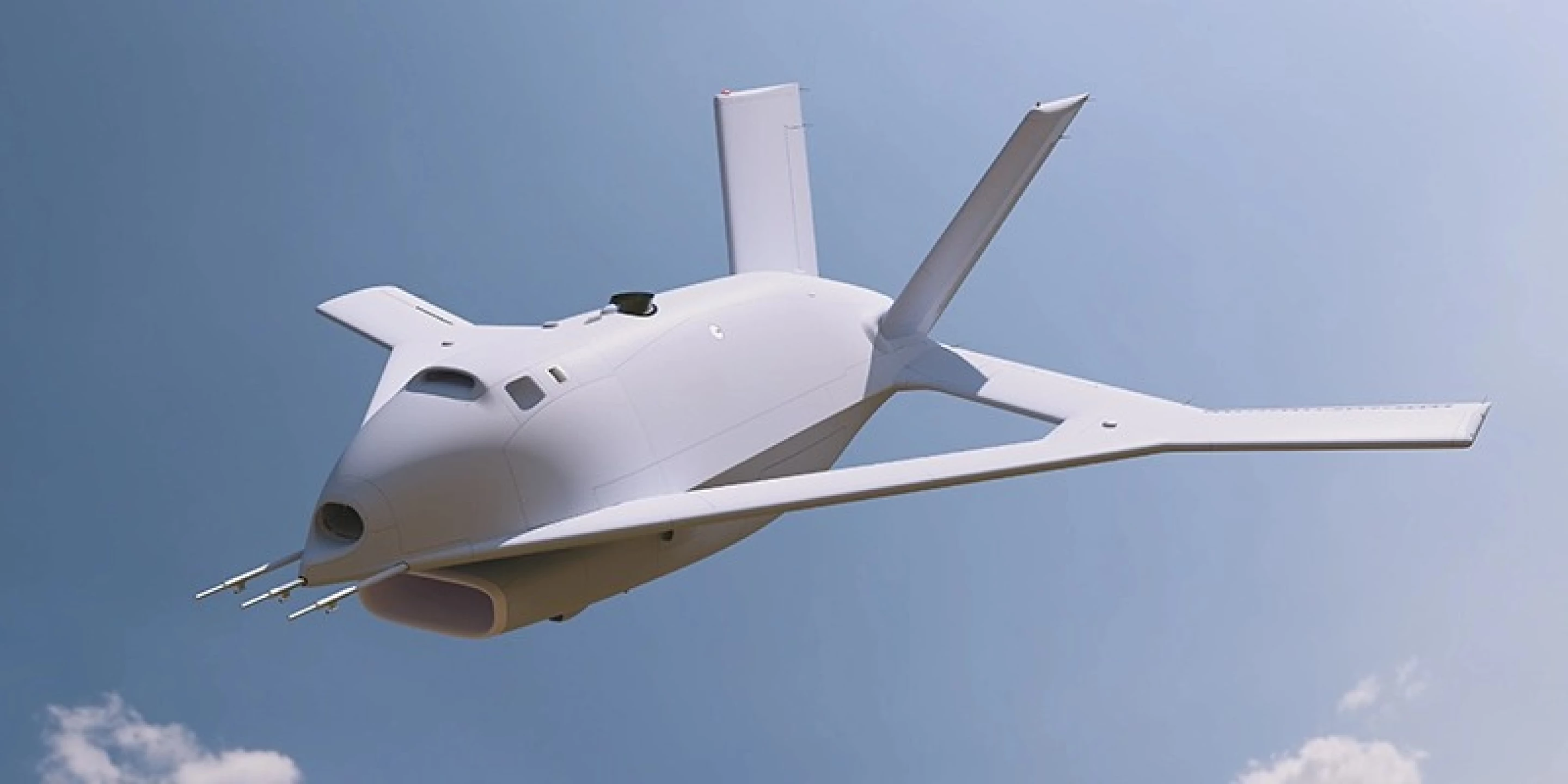
The X-65 is an unmanned experimental aircraft using diamond-shaped wings and an active airflow control (AFC) system under the Control of Revolutionary New Effects (CRANE) project. Unlike ordinary aircraft that rely on mechanical control surfaces such as ailerons and rudders, the X-65 sprays precisely controlled airflow outward through up to 14 nozzles on the wings and tail, directly disturbing the air flow on the surface of the body, thereby achieving movements such as roll, pitch, and yaw without mechanical moving parts. The body size is close to that of a jet trainer.
The system also increases lift by controlling airflow over the leading edge of the wing. Due to the elimination of conventional control surfaces, the aircraft's stealth performance has also been improved, reducing the reflection angle of radar signals.
The designers chose the diamond-shaped wing because this low-aspect-ratio, straight-edge structure is best suited as a test platform for the CRANE project. The sharp sharp angles and different sweep angles of the diamond-shaped wings can produce a variety of airflow patterns on the surface of the aircraft body, but they can also easily cause airflow separation. Active airflow control systems are specifically designed to suppress and regulate these airflow separations. Through this mechanism, they "create" a virtual control surface for the aircraft.
At present, the X-65 is still equipped with conventional mechanical control surfaces as a safety guarantee, similar to "training wheels", used to establish a performance baseline in early flights. It will be gradually switched to the AFC system in the future, allowing the aircraft to fly at transonic speeds. The new system is also expected to improve the performance of the diamond-shaped wing at low speeds and high angles of attack (traditionally weak areas).
Affected by technical difficulties, the progress of the X-65 has been delayed several years from the original plan, and the first flight is scheduled for the end of 2027. After the CRANE project is completed, this aircraft will also be used as a modular test platform for various future tests. The modular design also facilitates the replacement of different nozzle layouts for testing at this stage.
Larry Wirsing, Vice President of Aircraft Development at Aurora, said: "We are pleased to continue our long-standing collaboration with DARPA to complete the assembly of the X-65 and demonstrate the potential of active airflow control in flight. The X-65 will become an enduring flight test platform. We believe that future aircraft designs and scientific research missions can fully utilize the technology and data results of this platform."