
Abstract:
The California Department of Motor Vehicles (DMV) has officially banned Waymo’s self-driving taxis from operating on highways across the state. Regulators said the company's autonomous driving system had repeatedly engaged in dangerous behavior in construction areas, posing an "urgent threat to public safety."
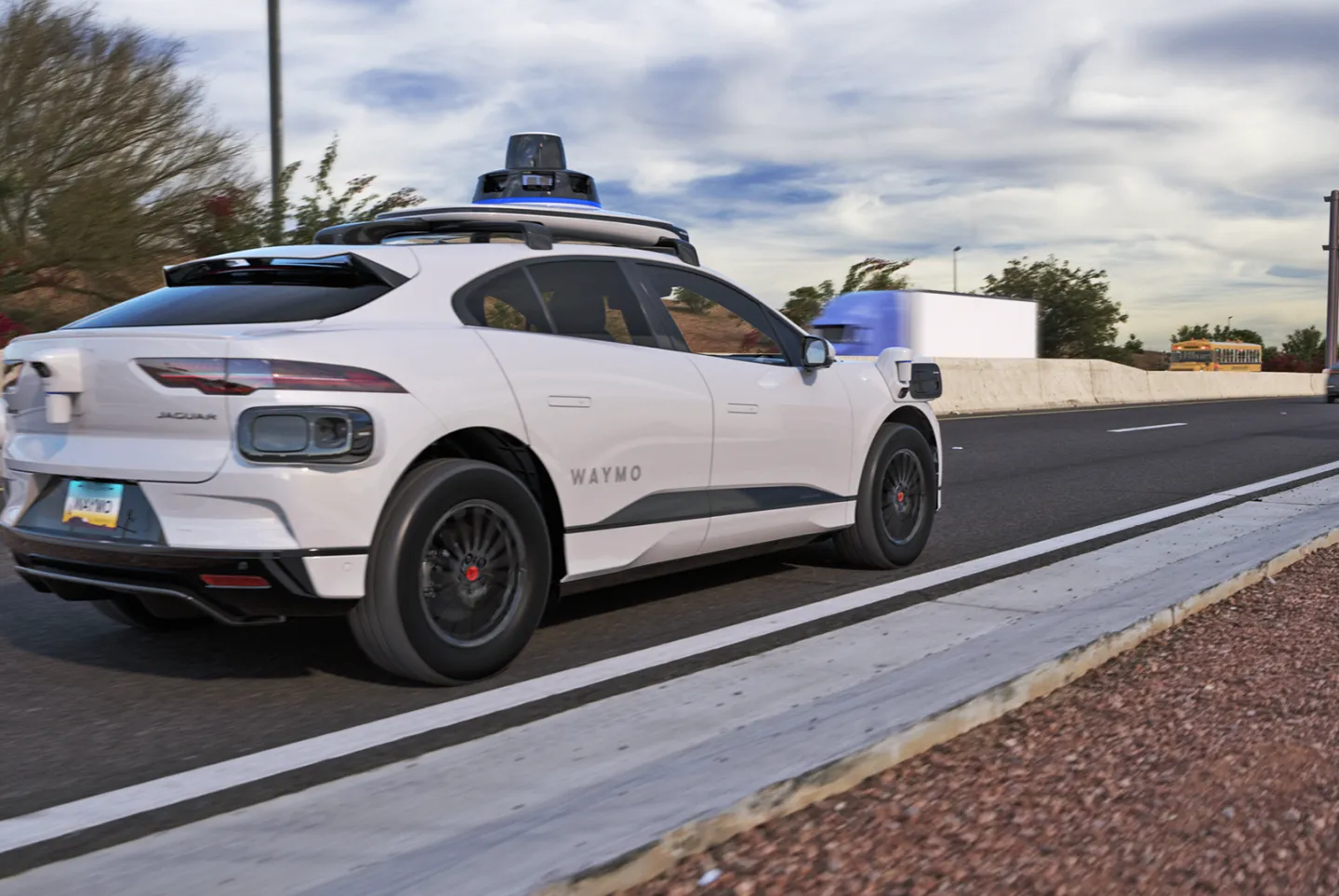
This restriction will take effect on November 11th. According to information disclosed by the California DMV, the regulatory authorities took action mainly related to two recent incidents in the San Francisco Bay Area. In one incident, multiple Waymo self-driving taxis drove into a closed construction zone on U.S. Highway 101 near Burlingame; another incident occurred on Highway 280 in San Francisco, where a Waymo vehicle attempted to bypass a California Highway Patrol (CHP) vehicle performing traffic control tasks.
The California DMV pointed out that this is not an isolated case. Waymo vehicles have entered active construction areas many times before and drove inappropriately near construction workers, construction vehicles and construction equipment. Regulators believe similar behavior could pose a risk to road workers and other traffic participants, so they decided to impose stricter operating restrictions.
In fact, Waymo’s performance in highway scenes has always attracted much attention. The company will begin testing on California highways in 2024 and will gradually open related services to the public at the end of 2025. However, in May 2026, Waymo proactively suspended highway operations in several cities, including San Francisco and Los Angeles, due to problems with construction area identification and processing capabilities. After months of adjustments, the company resumed service in July, but now it has once again encountered regulatory intervention.
According to the requirements of the California DMV, if Waymo hopes to resume autonomous driving operations on highways, it must submit evidence to regulatory agencies to prove that it has taken effective corrective measures and significantly improved the vehicle's recognition and response capabilities in construction areas and special traffic control scenarios. The regulatory authorities will decide whether to lift the ban after reviewing relevant materials.
Waymo stated that safety has always been a core principle of the company. Regarding the recent incident in the highway construction area, although there were no casualties or traffic accidents, the company has cooperated with regulatory requirements to suspend highway operations. At the same time, Waymo also decided to temporarily tighten highway services in other operating markets to further evaluate system performance.
It is worth noting that this ban only targets highway operations and does not affect Waymo’s self-driving taxi services on ordinary urban roads. Currently, the company is still providing self-driving taxi services in multiple cities, completing more than 500,000 trips per week.
Industry insiders pointed out that highways are of great significance to Waymo’s business model. After losing the expressway capacity, vehicles will have to rely on urban roads to complete more journeys. Not only will the routes be longer and longer, it may also increase passenger travel costs. In particular, routes that are originally highly dependent on expressways, such as to and from the airport, will be significantly affected.
Analytics believe that this statewide highway ban is another major regulatory setback faced by Waymo in 2026, and also reflects that autonomous driving technology still has challenges in dealing with complex construction environments, temporary traffic controls, and special road situations. As the autonomous driving industry continues to expand, regulatory agencies are paying more attention to the safety performance of these edge scenarios, which will also become an important threshold that must be crossed in the future commercialization of autonomous driving.
Comments