
Abstract:
Earlier, the well-known Japanese company Ryohin Project was attacked by hackers. Ryohin Project was the operator behind Muji. The attack caused the information of approximately 1.09 million credit cards to be leaked. But what’s even more shocking is that MUJI not only stores users’ credit card numbers in violation of regulations, but also doesn’t even encrypt the card numbers, that is, it stores them directly in clear text.
Users who are concerned about security incidents may know that most data leaks do not involve payment information, that is, user payment card numbers, card corresponding names, expiration dates and CVV2 security codes should be deleted after use to avoid these data leaks leading to theft after security incidents.
Muji knows this rule, so its system design does not save user payment information. But the problem is: after Muji adjusted its exclusive points or discount issuance mechanism in July 2021, it did not delete the credit card number data it had obtained in accordance with the process requirements. Muji is currently investigating whether this is a human error or a system problem.
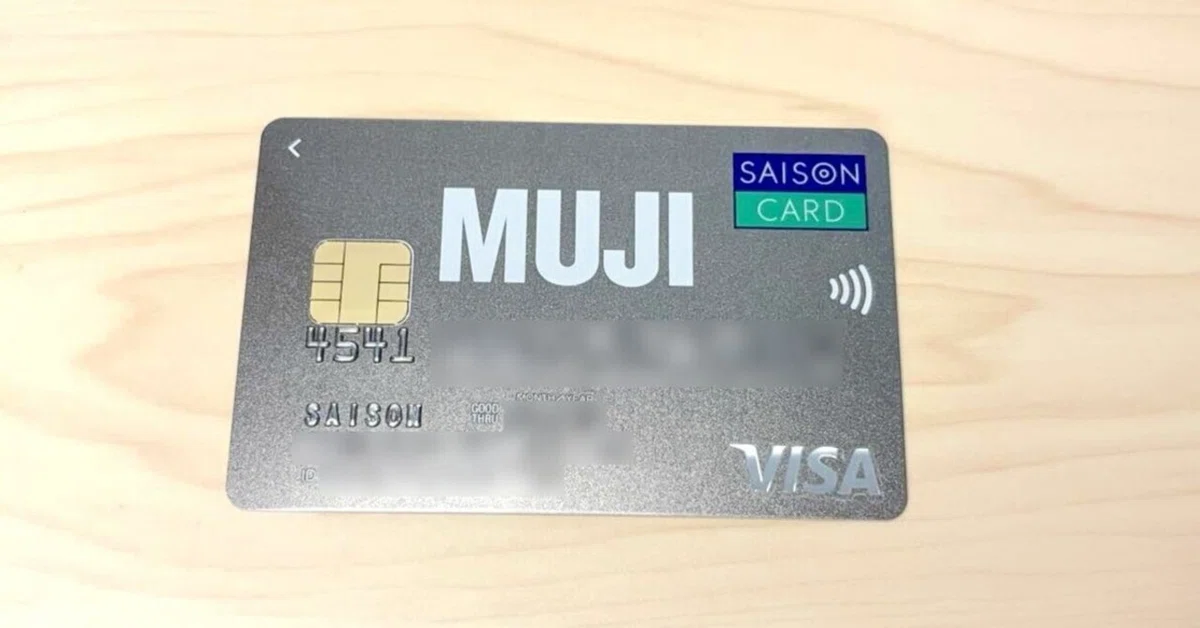
According to Muji’s explanation, the Muji co-branded credit card is issued by the cooperative company Credit Saison. According to the instructions of both parties, from October 2000 to July 2021, the card issuer provided card numbers and other information to Muji to identify card members and issue exclusive points.
After adjusting the points issuance mechanism in July 2021, the two parties stopped transmitting card numbers. Muji should have deleted the information at that time, but in fact the card numbers that had been obtained were not deleted. The leaked information included 1.09 million credit card numbers and users’ dates of birth, but did not include cardholder names, expiration dates and security codes.
However, because Muji’s other business systems also experienced data leaks, the data obtained by the hackers included the complete card number and name. However, the card validity period and security code were not leaked, so there should be no need to worry about theft.
It is worth noting that MUJI admits to using clear text to store users’ credit card number information. It stands to reason that since it needs to be stored, it should be encrypted anyway. It is a bit confusing to directly store it in clear text.
There is speculation that Muji may use credit card numbers as user IDs, that is, to identify users by card numbers in the co-branded card system. However, this speculation cannot be confirmed for the time being. It is unknown whether Muji will issue a detailed review report explaining the reason.
Comments