
Abstract:
The New York City Council voted on Thursday local time to ban the use of horse-drawn carriages on city streets and Central Park starting from June 2028. This move will end this historic tourism project and related industries.
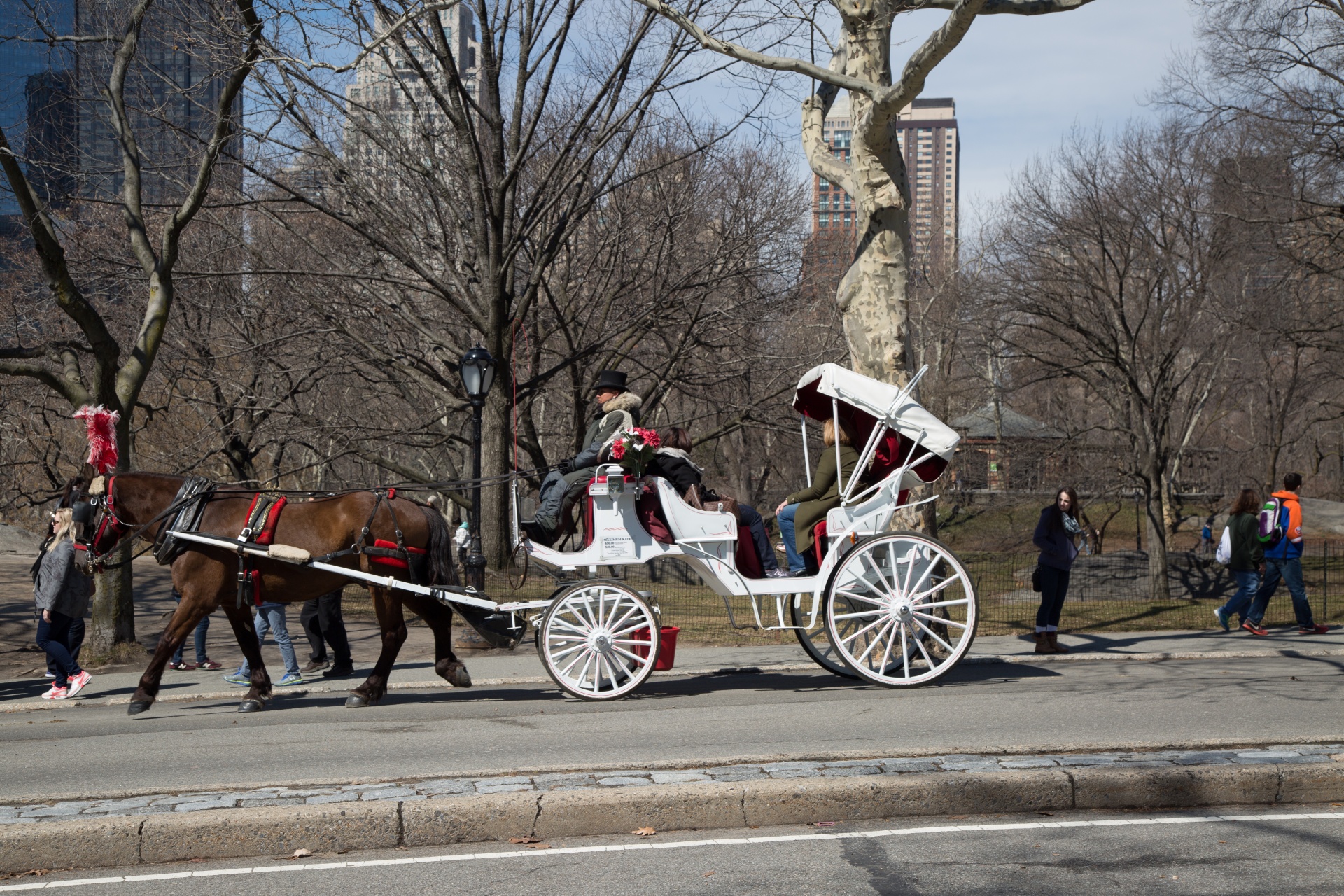
Of the 51 members of the New York City Council, 40 voted in favor of the bill. Mayor Zoran Mamdani also expressed support for the bill; he made it clear earlier this month that the horse-drawn carriage industry was coming to an end. Another 7 members voted against and 2 members abstained.
Support for a ban has grown since Romanch Mahajan, an 18-year-old tourist from India, died this summer. On June 17, the carriage that Mahajan was riding in lost control due to frightened horses, causing him to be thrown out of the carriage and ultimately died. At the time of the incident, the coachman was leaving his seat to take photos of the Mahajan family.
U.S. President Donald Trump, who has previously criticized Mamdani and met with him cordially, is skeptical of the ban.
"When there are car accidents in this area - and they are not uncommon - they don't stop vehicles from entering the park. So why would they stop horse-drawn carriages? It's a great tradition. Another piece of history just lost. It will be missed!" Trump wrote on the "Truth Social" platform. Trump's business empire is headquartered in Trump Tower, just minutes from New York's Central Park.
The bill requires the New York City government to develop a transition plan for practitioners by April and consider a plan to compensate carriage operators and assist in the disposal of horses under their names. Under the proposal, the horses would not be slaughtered.
The day before the vote, the Transport Workers Union, which represents horse-drawn carriage operators and coachmen, sent a letter to New York City Legal Counsel Steve Banks, stating that if the bill is passed, they will apply to the court for a temporary restraining order "as soon as the bill is signed and takes effect."
The letter, signed by Arthur Schwartz, the association's chief attorney, reads: "This is perhaps the first time in New York City's history that a previously licensed industry has been banned. This proposal deprives operators of the right to make any economically beneficial or productive use of their property."
Comments