The authoritative organization TechInsights issued an article today stating that the exponential growth of tariffs is having a major impact on the supply chain of the smartphone industry.After years of smartphone manufacturing taking root in China, the possibility of moving manufacturing to the United States faces huge challenges in terms of infrastructure, skilled labor and assembly automation capabilities. Among them, Apple is the most affected. Currently, Apple can make about US$400 for each iPhone 16 Pro (256GB) sold, with a net profit margin of about 36%.
A breakdown of iPhone production costs shows that rising tariff rates will significantly increase the difficulty for Apple to cope with the financial impact:In the case of a 54% tariff increase, the iPhone price will rise from US$1,100 to US$1,350. If tariffs increase by 145%, prices could surge to $1,850.
Moving assembly operations back to the United States is also not an option—equipment prices would have to rise significantly to cover the necessary investment in facilities and equipment.
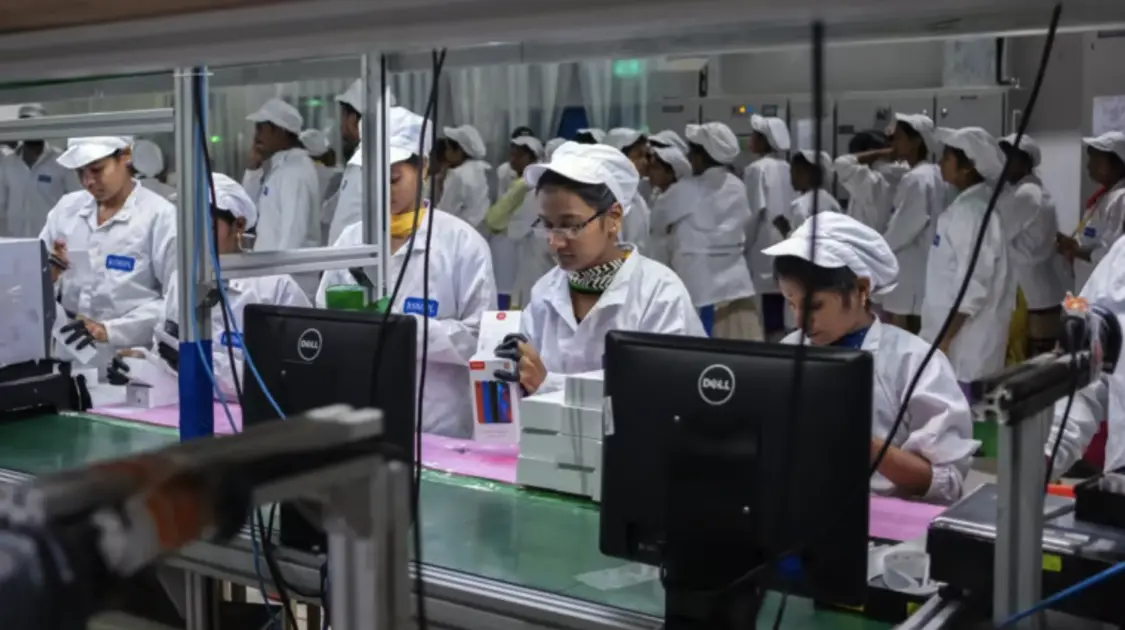
For reference, Apple’s current standard iPhone production rate is 760 units per minute—a production rate that is simply unsustainable given the current state of U.S. manufacturing.
TechInsights expects Apple to accelerate its move away from manufacturing in China and may increase the price of its upcoming iPhone 17 series to offset the potential impact.
If the price of iPhone in the Chinese market increases, it may create room for Huawei to grow its share.
Globally, tariffs are likely to push up smartphone prices, especially in the U.S. market.
Mobile phone manufacturers may accelerate the dispersion of assembly capacity to India, Vietnam and other places, and Brazil may emerge as a new manufacturing center.
Related articles:
Apple’s “Tariff Royale”: Record-breaking iPhones shipped from India to the U.S. by air in March