According to a source with reliable informationIt has been revealed that Apple may have canceled the ultra-scratch-resistant anti-reflective display coating planned for the iPhone 17 Pro models. Last spring, Weibo whistleblower Shasuna Digital hinted that Apple was developing aNew anti-reflective display coating, its scratch resistance is better than that of super ceramic crystal panels. We haven’t heard anything about an upgraded display coating since, which sounds like it didn’t work out.
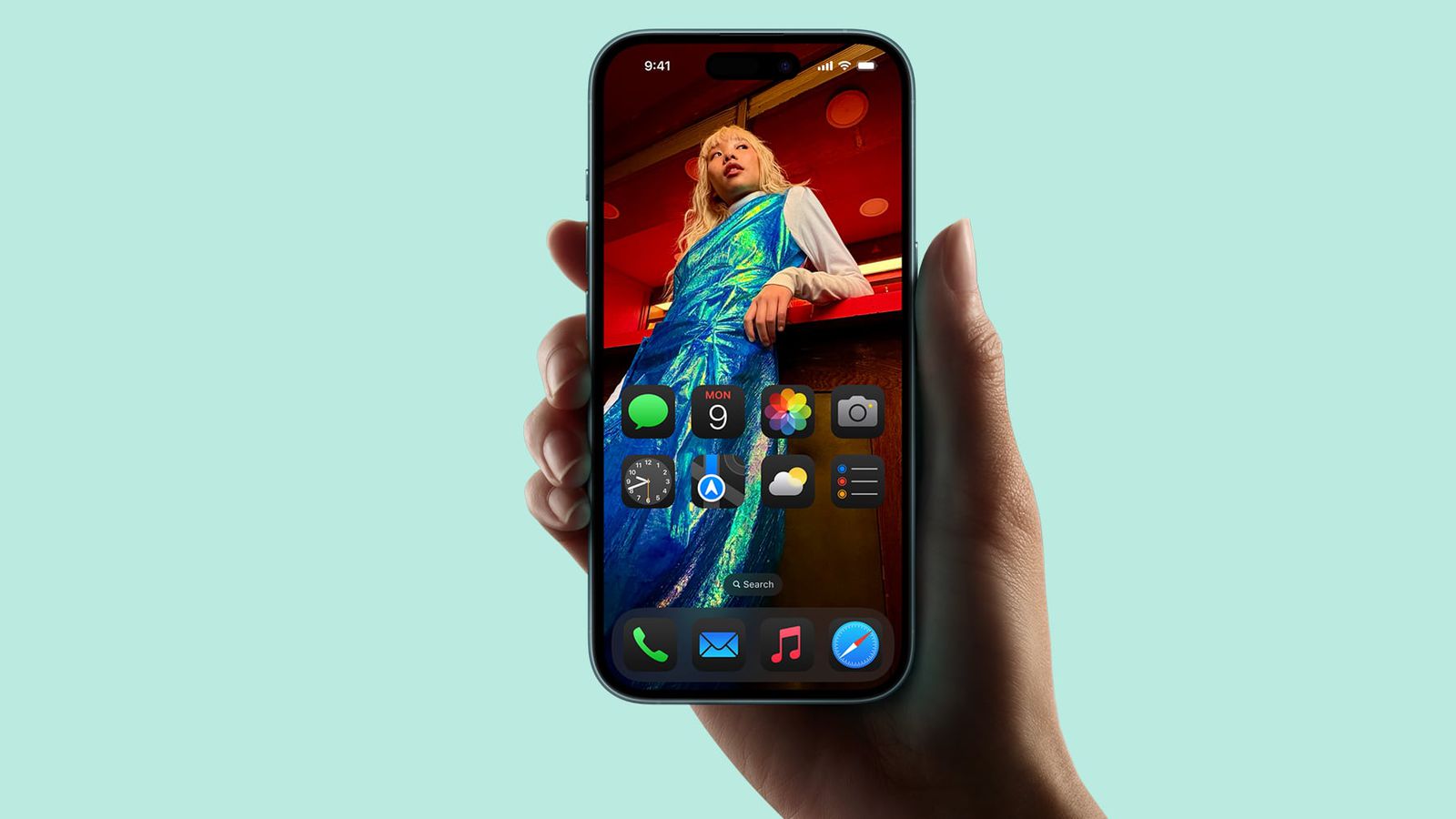
Apple had planned to use an anti-reflective coating on its high-end iPhone 17 Pro and iPhone 17 Pro Max models, which would have made them the first iPhones to feature anti-reflective displays. However, this feature is no longer a planned feature of iPhone 17 Pro models due to problems Apple has encountered in scaling up the display coating process.
The process of adding anti-reflective coatings to iPhone displays is too slow considering the millions of devices Apple produces, so even if it's only planned for Pro models it still doesn't seem feasible.
Current iPhone models are equipped with anti-fingerprint oleophobic coatings, but Apple has not made a big push for anti-reflective technology. Apple offers nano-textured displays for Mac and iPad Pro that reduce glare, but the technology doesn't extend to iPhones. Apple may have moved to nanotexturing or simpler coatings, but it's also possible that it has abandoned the technology for the time being.
Samsung debuted a Gorilla Glass Armor display panel on the Galaxy S24 Ultra, which reduces reflections by up to 75%. This technology improves contrast in bright light conditions, making colors more realistic even in sunlight or in bright rooms.
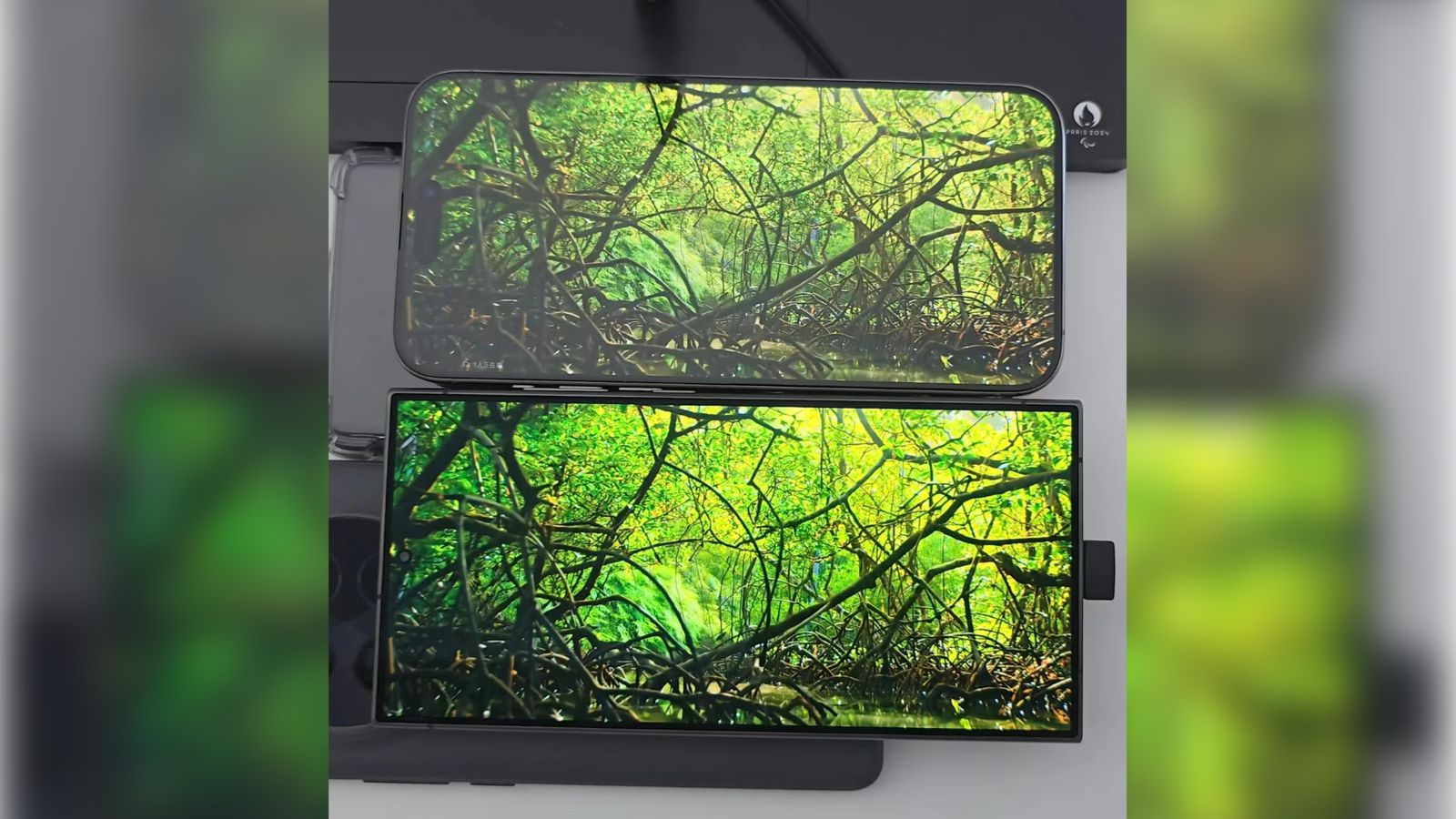
Anti-reflective performance of Galaxy S24 Ultra (bottom) and iPhone 15 (Image source: IceUniverse)
If the iPhone 17 models do not end up with the planned anti-reflective display features, Apple may introduce display improvements in future iPhones as manufacturing processes improve.