Before "purchasing" Scale AI founder Alexandr Wang for more than $14 billion, Meta CEO Zuckerberg also focused on the new company of Ilya Sutskever, the former chief scientist of OpenAI. In early June, Meta finalized a US$14.3 billion investment in Scale AI. If calculated as an acquisition, this transaction will become the second-largest transaction in Meta's history after the US$19 billion acquisition of WhatsApp in 2014.
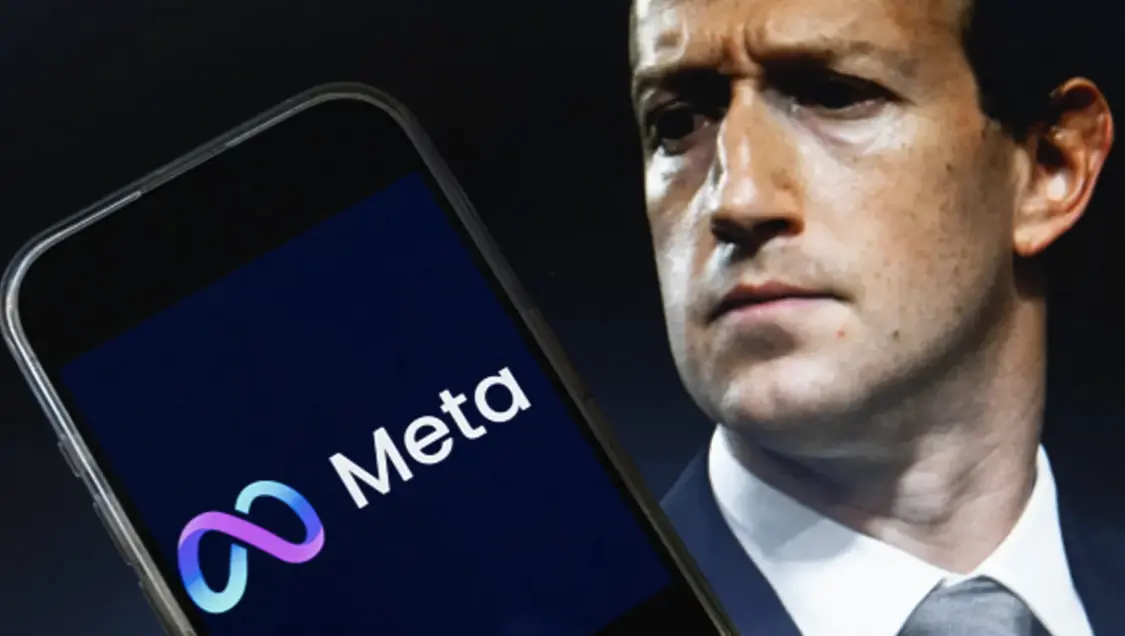
On June 19, according to CNBC, Zuckerberg’s original plan was far more radical than just poaching. Earlier this year, Meta attempted to directly acquire Safe Superintelligence, founded by Ilya Sutskever, the former chief scientist of OpenAI.
The one-year-old startup was valued at $32 billion in a funding round in April. However, Sutskever was obviously unmoved, not only rejecting Meta's acquisition proposal, but also personal recruitment.
The report pointed out that when the direct acquisition path was blocked, Zuckerberg quickly adjusted his strategy and targeted Safe Superintelligence CEO Daniel Gross and former GitHub CEO Nat Friedman.
"Packaged deal" to save the country through curves
According to people familiar with the matter, both Gross and Friedman will join Meta and work on product development under Alexandr Wang. Technology media The Information first reported Meta's plan to recruit Gross and Friedman.
A Meta spokesperson said the company "will be sharing more information about our work on superintelligence and the talented people joining the team in the coming weeks."
Gross's resume can be called an "all-star" in the Silicon Valley AI circle: Cue, the search engine he founded, was acquired by Apple in 2013. He later served as an executive at Apple and participated in machine learning and Siri development, and later became a Y Combinator partner, and finally co-founded Safe Superintelligence with Sutskever.
Friedman is also worth a fortune. He served as CEO after Microsoft acquired GitHub in 2018 and had previously co-founded two startups.
In addition to his role at Safe Superintelligence, Gross co-runs a venture capital firm called NFDG with Friedman, people familiar with the matter said. This deal will allow Meta to kill two birds with one stone—not only acquiring two top talents in the AI field, but also a stake in NFDG.
The analysis pointed out thatThis "curve to save the country" strategy allows Zuckerberg to still have access to relevant core talents and technical resources even if he is unable to directly acquire the target company.
NFDG’s portfolio includes star companies such as Coinbase, Figma, CoreWeave, Perplexity and Character.ai. People familiar with the matter said that in the Meta acquisition transaction, the disposal method of these investment portfolios is not yet clear, which may bring variables to the future development of related companies.
"Talent acquisition" has become a trend in Silicon Valley AI circle
This kind of sky-high poaching is not unique to Meta. Not to be outdone, OpenAI spent about $6.5 billion to recruit iPhone designer Jony Ive and acquire his startup device company io.
Last year, the founders of AI startup Character.AI returned to Google in a multibillion-dollar deal, while DeepMind co-founder Mustafa Suleyman was poached by Microsoft from Inflection AI for $650 million.
OpenAI CEO Sam Altman broke the news in the latest podcast that Meta has offered signing bonuses of up to $100 million to poach OpenAI employees, and the annual salary package far exceeds this figure.
Altman said that "our best talents are not impressed by these conditions," but this statement itself exposed the intensity of competition. Altman said bluntly in the podcast:
"I heard that Meta sees us as their biggest competitor, and their current AI projects are not progressing as expected. I understand their approach of staying aggressive and constantly trying new strategies."