Apple was the first to adopt tandem OLED screen technology when it launched the M4 iPad Pro model, which brought many advantages. The company is exploring bringing the same functionality to the iPhone, but the transition could take several years. However, according to new reports, LG, one of the Apple giant's display suppliers, wants Apple to adopt tandem OLED screens on iPhones as soon as possible, possibly because it hopes to reap financial benefits from mass production of millions of future models.
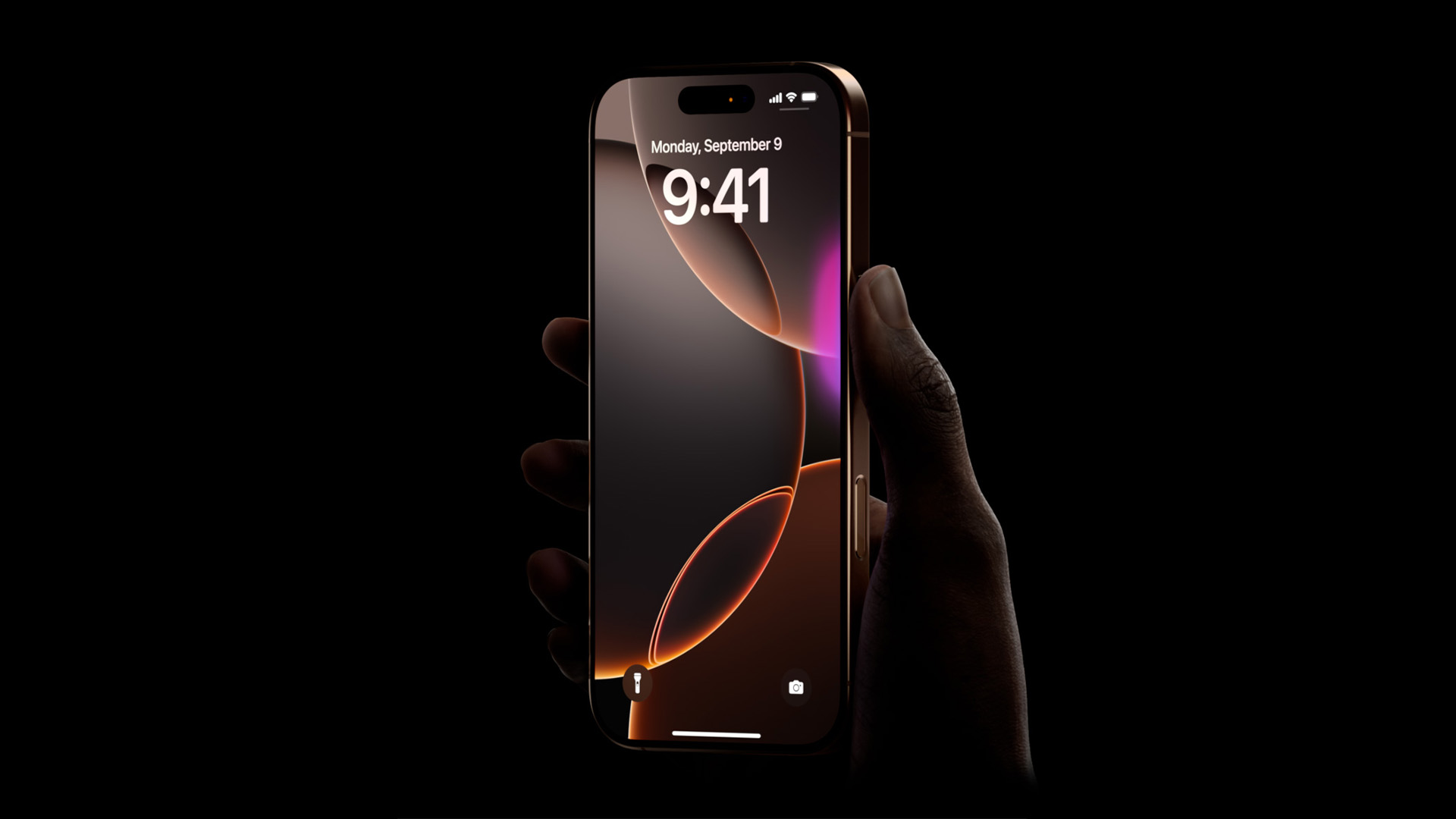
Current iPhones use LTPO technology and the refresh rate can vary between 10Hz and 120Hz, improving efficiency depending on the operations on the device. Using tandem OLED panels would be the icing on the cake, but Apple has yet to decide whether to mass-produce these panels. According to Dealsite, insider @Jukanlosreve revealed that LG hopes that Apple will apply tandem OLED technology to iPhones and is preparing for this day, making large-scale investments in production facilities, but did not disclose the specific amount.
As for why LG is trying to convince Apple to use tandem OLED technology on iPhones, some believe that this technology will bring many advantages, such as improving overall brightness, efficiency, and panel life. Tandem OLED technology brings these improvements by stacking two or more layers together. Even LG's innocent intentions will pay off handsomely, as iPhones using tandem OLED technology typically sell in the millions.
The reason why it took Samsung so long to start full production of these panels for the M4 iPad Pro series is because Apple had to place a large enough order. Ultimately, manufacturers need to be profitable before they can start investing millions of dollars in building production facilities. This may also be why LG may not develop similar technology for Apple's other product lines, because their annual production volume is far less than that of the iPhone.
Even if the company agrees to the shift, the report notes that we won't see tandem OLED on an iPhone until 2028 at the earliest. Additionally, this technology won’t be coming to the foldable version.