On January 23, Reuters reported that Tesla CEO Elon Musk said on Thursday that the driver-supervised version of the Fully Autonomous Driving System (FSD) could be approved by European and Chinese regulators as early as next month. As auto sales slow, Tesla is looking to boost software revenue to drive growth.
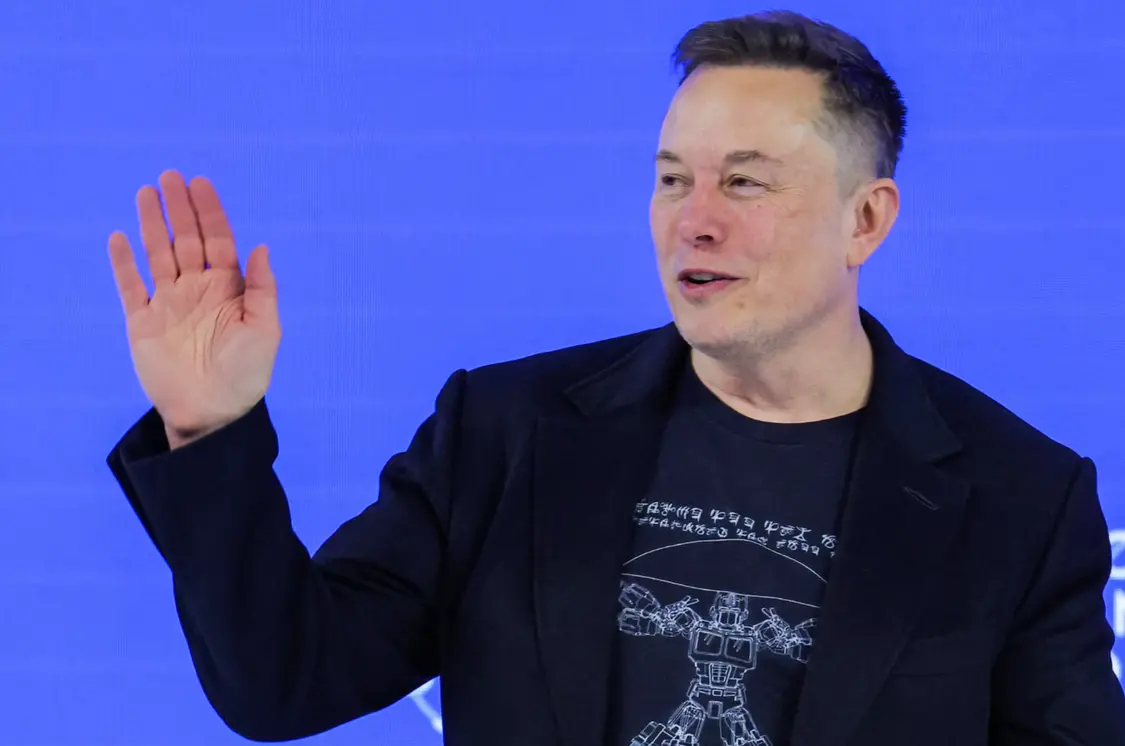
Musk
Although FSD’s progress at the regulatory level and the early deployment of self-driving taxis show thatTesla's AI ambitions are showing positive momentum, but the technology is still in its early stages relative to its valuation, which is well above many technology and car companies.
"We hope that the supervisory version of FSD will be approved in Europe, if it goes well, it will be next month, and then China may also approve it at a similar time." Musk said during his first appearance at the World Economic Forum in Davos.
Tesla has been seeking European approval for FSD.Stricter vehicle safety regulations and a fragmented regulatory system in Europe compared with the United States have slowed deployment of the system. The Dutch Vehicle Directorate (RDW) said in November that it expected to make a decision on FSD in February this year. Tesla has said that once FSD is approved in the Netherlands, other EU countries can recognize the exemption and allow the system to be rolled out before formal EU approval.
Musk also revealed,Tesla has provided self-driving taxi services in Austin, Texas, and no longer has safety supervisors.The service was launched in June last year, with a Tesla employee sitting in the co-pilot position and supervising the vehicle's driving behavior.
He has said many times that many of the AI technologies developed for self-driving cars will also become the technical basis for Tesla's planned humanoid robots.
Musk said Thursday that he expects there will be more robots than humans in the future. Tesla expects to sell its humanoid robot Optimus to the public by the end of next year, a later timeline than he previously expected.