According to an investigative report by The New York Times, Apple CEO Tim Cook attended a confidential briefing organized by the CIA in Silicon Valley in July 2023, during which intelligence officials warned that China may take military action against Taiwan before 2027. The closed-door meeting, which had never been made public before, was held in a secure conference room and was seen as an important attempt by Washington to directly convey the "Taiwan risk" to the top leaders of the technology industry.
The meeting was said to have been arranged at the urging of then-U.S. Commerce Secretary Gina Raimondo, who grew increasingly frustrated with the tech industry's reluctance to move chip production out of Taiwan.
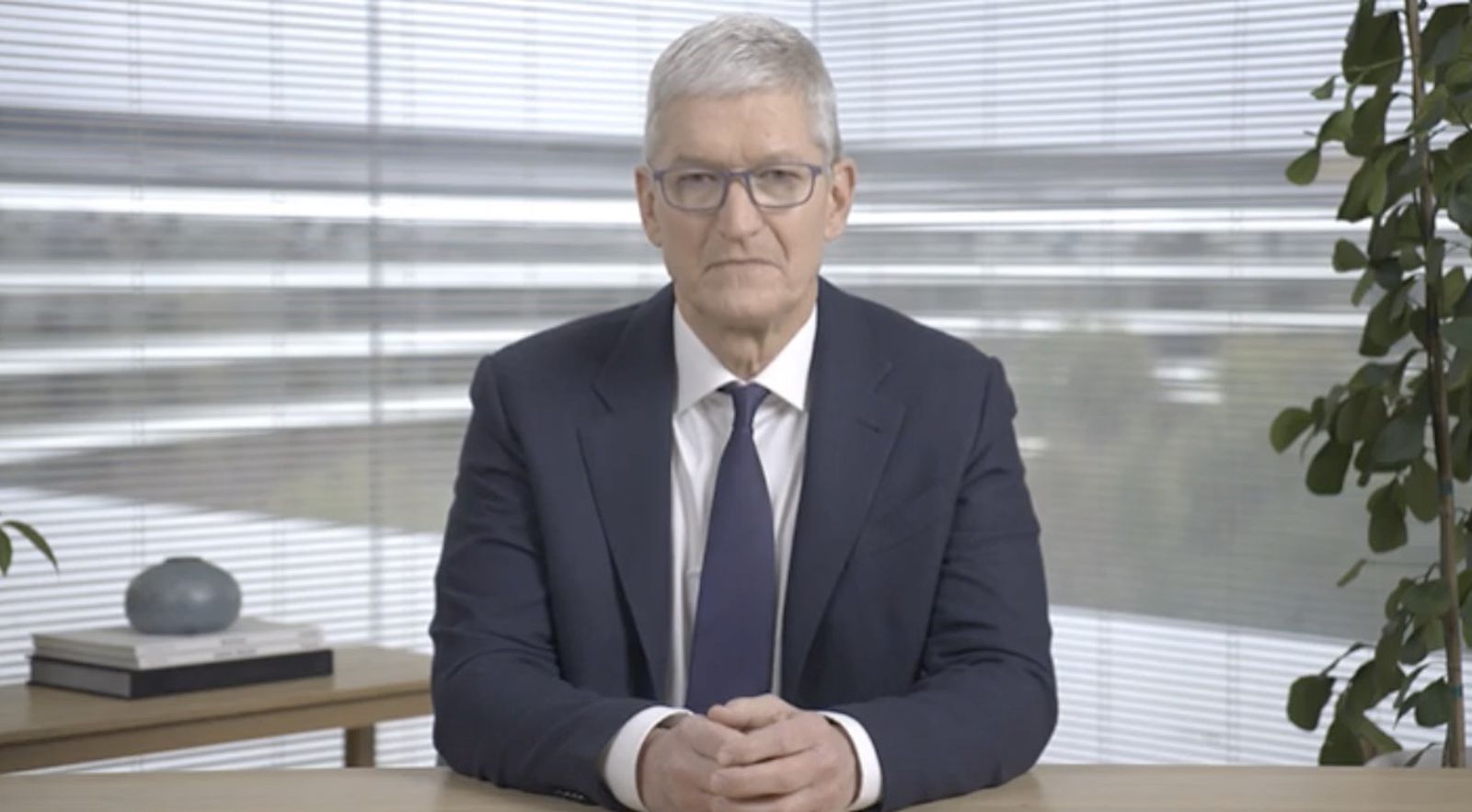
The report pointed out that CIA Director William Burns and Director of National Intelligence Avril Haines presented the latest intelligence the United States has on China's military deployment and the situation in the Taiwan Strait to Cook, Nvidia CEO Jen-Hsun Huang, AMD CEO Lisa Su and Qualcomm CEO Anmon and other Silicon Valley heavyweight business leaders at the meeting. After the meeting, Cook allegedly told officials that he "dare to sleep with one eye open" to describe his concerns about potential risks.
In fact, at the end of 2021, the White House held a similar confidential briefing, but the corporate executives attending the meeting generally believed that much of the so-called "confidential intelligence" had already been publicly reported by the media, so their attitude became more skeptical. As early as that year, a senior U.S. military officer stated at a congressional hearing that the U.S. military assessed that Chinese President Xi Jinping hoped that the People's Liberation Army would be ready to use force against Taiwan by 2027. The New York Times quoted U.S. President’s National Security Advisor Jake Sullivan as saying that the U.S.’s dependence on Taiwan’s semiconductor supply is seen as “one of the most serious vulnerabilities of the United States.” He hopes that Silicon Valley will wake up to the risks and cooperate in building more wafer factories in the United States. The U.S. government has therefore promoted a subsidy plan totaling approximately US$50 billion, which will eventually form the "Chip and Science Act" passed in 2022.
The survey emphasized that the U.S. and global technology industry's dependence on Taiwan's semiconductor manufacturing giant TSMC has reached an extremely "stubborn" level. TSMC produces about 90% of the world's most advanced process chips, including all of Apple's self-developed processors for iPhones, iPads and Macs. A confidential report commissioned by the U.S. Semiconductor Industry Association and completed in 2022 and reviewed by the New York Times warned that the loss of Taiwan's chip supply will trigger the most serious global economic crisis since the "Great Depression" and U.S. gross domestic product may plummet by 11%. Another study released by Bloomberg in January 2024 estimated that if a conflict breaks out in the Taiwan Strait, it will cause more than 10 trillion US dollars in losses to the world economy.
Despite the warnings, the investigation found that many technology giants, including Apple, have remained cautious about sourcing chips from higher-cost U.S. factories for a long time. The cost of producing chips in the United States is more than 25% higher than in Taiwan, due to multiple factors including raw materials, labor, and approval processes. At the same time, the process technology currently used in TSMC's new wafer fab in Arizona is still one generation behind and is not as advanced as the advanced production capacity in Taiwan.
Under pressure, Apple has recently begun to adjust its layout. The report mentioned that when Cook visited the Oval Office of the White House last summer, he promised to invest a total of US$100 billion in the United States to support the expansion of production in the United States by TSMC and other chip manufacturers. Apple is also said to be holding round-the-clock engineering meetings with Intel to assess whether its manufacturing capabilities can handle more high-end chip foundry tasks.
TSMC is upping its bets in the United States, currently committing a total investment of approximately US$165 billion in the United States, including the purchase of land near Phoenix, Arizona, for the construction of at least five additional wafer fabs. The company's factory in Arizona has produced the first "Made in the United States" Nvidia artificial intelligence chips, but reports point out that even these chips still need to be shipped back to Taiwan for advanced packaging processes, and the highly concentrated industrial chain has not really changed.
At the same time, the Taiwan government continues to implement an "unwritten policy": requiring TSMC to keep its most advanced manufacturing processes firmly on the island. This strategy, known as "Silicon Shield," is intended to make Taiwan's importance in the global economy a concern for potential aggressors through its irreplaceable semiconductor production capacity, thereby reducing the possibility of being attacked. However, the outbreak of the Russo-Ukrainian war has shown that economic interests do not always prevent military action. TSMC’s chief financial officer said earlier this year that the company’s most cutting-edge processes will remain exclusively deployed in Taiwan for the foreseeable future.