Alphabet's self-driving company Waymo announced that its self-driving taxi service is officially open to the public in Dallas, Houston, San Antonio and Orlando, marking the number of cities the company operates in the United States has increased to 10, and the pace of expansion has significantly accelerated. The first batch of passengers will receive invitations through the Waymo app and can reserve rides starting on Tuesday. The company will then gradually open it to more new users on a rolling basis, eventually realizing an operating model of "everyone downloads the app and can book a ride" in the local area.
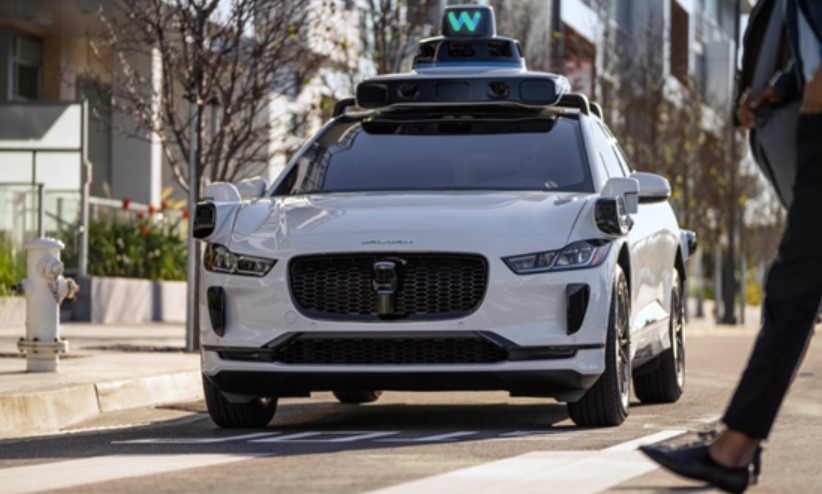
Over the past year, Waymo has continued to expand in its original markets. In February last year, the company mainly provided commercial driverless travel services in Phoenix and surrounding suburbs, parts of Los Angeles and San Francisco. At that time, Alphabet CEO Pichai said that Waymo had provided more than 200,000 rides per week. In the next 12 months, Waymo has significantly expanded its service scope in the San Francisco Bay Area. The route extends south along Highway 101 to San Jose and connects to three airports including San Francisco International Airport. The company has also partnered with Uber in Atlanta and Austin to expand operations to highways in three cities, and last month opened its self-driving taxi service to the public in Miami.
Waymo is still cautious about the specific latest passenger data. When it last disclosed figures, the company said it was offering more than 400,000 rides a week, and that number is widely believed to have now climbed further. Co-CEO Tekedra Mawakana said that Waymo is serving "the most passengers in history" and expects that by the end of this year, the number of services in a single week will exceed 1 million, while laying the foundation for the future launch of self-driving taxi services in more than 20 cities.
In terms of funding and scale, Waymo has also increased its investment. The company recently completed a $16 billion round of financing, led by Dragoneer Investment Group, DST Global and Sequoia Capital. This round of financing values Waymo at $126 billion, providing ample ammunition for its continued expansion of its fleet and market. Waymo currently operates about 3,000 self-driving taxis in six major markets: Atlanta, Austin, Los Angeles, Miami, Phoenix and the San Francisco Bay Area. With the addition of the four newly added cities, the fleet size is expected to increase, but there will be no "explosive" expansion in the short term.
Waymo spokesman Chris Bonelli said that the company will initially deploy dozens of vehicles in the above-mentioned new cities and will expand the scale rhythmically in the next few months based on actual passenger demand. To support business expansion, Waymo's operations team will also be expanded simultaneously, especially those "remote assistance" employees who remotely monitor vehicles and provide information support when the autonomous driving system encounters complex road conditions. Waymo currently has about 70 such staff. The company said it will ensure that manpower matches the scale of the business through comprehensive early planning, but it did not disclose a more specific plan to increase staff.
While Waymo is expanding rapidly, it is also facing heightened attention from safety regulators. The National Highway Traffic Safety Administration has launched a formal investigation after a Waymo self-driving taxi hit a child at 6 mph near a Santa Monica elementary school last month. The U.S. National Transportation Safety Board is reviewing whether there are any violations in Waymo's driving behavior around school buses. Despite this, the "lofty goals" proposed by Mawakana last year have not changed: amidst regulatory scrutiny and public doubts, Waymo is still trying to promote driverless travel from a pilot to a truly popular daily transportation by expanding the scope of services and fleet size.