Plug-in hybrid electric vehicles (PHEV) were once seen as a transitional solution to pure electric vehicles: using electricity for short distances and burning oil for long distances, they can both reduce emissions and alleviate range anxiety. But this seemingly perfect compromise was overturned because a key premise was difficult to establish in reality——Car owners are not willing and do not charge their cars often.
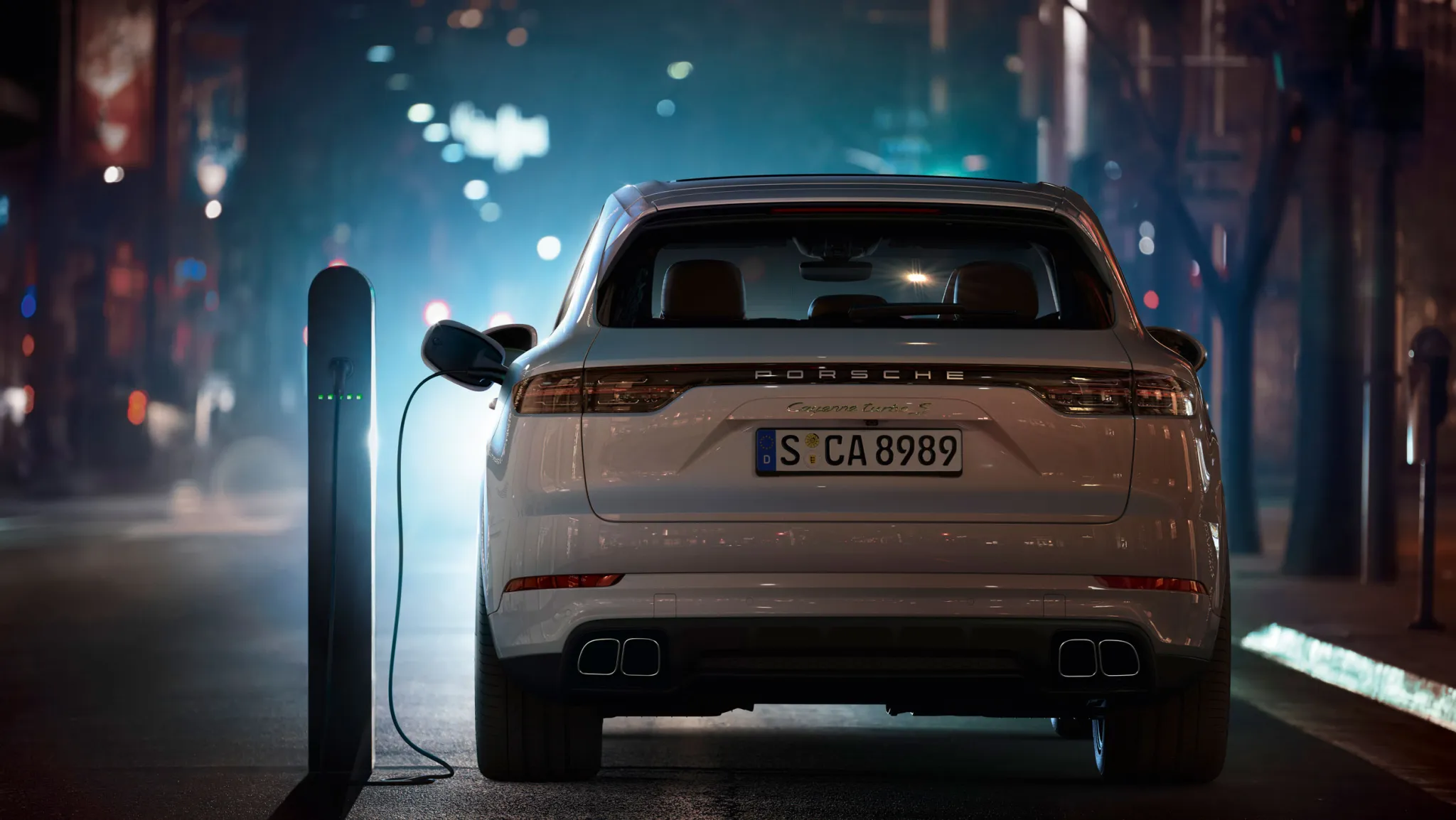
A new study by Germany's Fraunhofer Institute based on actual operating data from on-board computers shows that less than one-third of the approximately 1 million PHEVs registered in Germany are plugged in "occasionally" or never plugged in at all. In other words, the performance of a large number of plug-in hybrid vehicles on the road is not essentially different from traditional fuel vehicles, but they still carry the banner of "electricity" and "low emission".
This has sounded the alarm for American car companies that are preparing to increase their investment in plug-in hybrids in the North American market. At present, some car companies are trying to "make a fuss" about the fleet's average fuel consumption and carbon emission indicators by expanding their PHEV product lines and investing less in electrification. Ford CEO Jim Farley said on an earnings call this month that the company will reduce carbon dioxide emissions across its entire range of products, but will do so in a "very efficient" way. However, this new study shows that the energy-saving and emission-reduction effects of plug-in hybrid vehicles on real roads are far lower than the propaganda promises.
The study extracted energy usage data from PHEVs of different makes and models and distinguished the portion that actually came from external charging. The results show that the proportion of electricity consumption varies greatly among different car owner groups: at the best end of the spectrum, Toyota PHEV owners complete about 44% of their driving energy consumption through electric energy, which means that they are the most willing and most frequent to charge among all brands. On the other end of the spectrum, Porsche PHEV owners’ performance is extremely poor: electric energy accounts for only 0.8% of driving energy, and the average amount of electricity charged in two years is only about 7 kilowatt-hours, which is equivalent to charging less than half of the battery capacity once.
Previous studies have pointed out that the emissions produced by plug-in hybrid vehicles in actual use are approximately 3.5 times the official working condition certification value. The latest research based on on-board data directly gives the reason: the car itself has the ability to charge, but the owner hardly uses it, and the vehicle runs in hybrid or pure fuel mode most of the time. In this case, plug-in hybrid models not only fail to take advantage of the electric drive they should have, but also bring additional burdens to users in terms of structural complexity, maintenance costs and reliability.
Plug-in hybrid technology itself also has inherent flaws. The battery capacity of most PHEVs is small and can only support short-distance pure electric driving. Some models can only run single-digit miles of pure electric mileage. Many new cars can only maintain an electric range of about 20 to 30 miles. In order to deal with this problem, European regulatory agencies and some car companies have proposed that PHEVs must have longer pure electric range in the future, hoping to "force" car owners to plug in more frequently. But this is not necessarily true: as long as these models continue to be based on the fuel vehicle platform and the electric drive system cannot bear the entire power demand of the vehicle, the engine will still frequently intervene once the accelerator is pressed deeply or heating is required in cold weather. When the engine is ready to "top up" at any time, many car owners will naturally ask themselves: "Since the engine is needed to help anyway, why bother plugging in?"
From the perspective of consumer education, PHEV was once packaged as a utility vehicle to allow users to "get used to plugging in". In theory, car owners can become familiar with the charging process during the years of owning a PHEV, and when the charging network becomes more complete and the next time they change cars, they will naturally transition to pure electric models. The reality is that if most people never plug in, they will neither form charging habits nor truly experience the smoothness and cost advantages brought by electric drives. At the same time, the public has to endure continued air pollution, while car owners are dragging hundreds of kilograms of unused batteries and electric drive components on the road, and face more recall risks and more complex repair costs.
Some engineers and car companies are trying to save this model by adjusting technical routes. The intermediate solution is called "extended range electric vehicle" (EREV): This type of vehicle is mainly electric-driven, and the internal combustion engine only acts as a "generator" to extend the life of the battery after the battery is exhausted. In theory, this would allow the vehicle to maintain its electric driving characteristics as much as possible in daily use. However, so far, no mainstream EREV requires car owners to plug it in. Users can completely use it as a "gas car that never needs to be charged" and drive it until it is scrapped. BMW once offered an extended-range version of the i3, but it has been discontinued for many years; Ford and Stratis have announced that they will launch extended-range pickup trucks, but they have not yet been launched.
At the same time, public fast-charging networks for pure electric vehicles are still expanding rapidly, with coverage and power levels improving. When this infrastructure is complete enough and the user experience is reliable enough, the market's demand for the psychological comfort of "both oil and electricity" may drop significantly, and the "spare engine" provided by PHEV and EREV will become redundant. The author uses personal experience as an example to point out that his family has used the BMW i3 extended range version and the Chrysler Pacifica plug-in hybrid van in the past ten years, and finally switched to the Kia EV9 pure electric SUV, saying goodbye to the fuel tank.
For those traditional car companies that have hesitated on the road to electrification transformation, reality is forcing them to adjust their routes again. Although PHEV seems to be both realistic and ideal on paper, in the real world, it neither significantly reduces emissions nor effectively promotes users to embrace pure electric travel. In the face of the latest data and infrastructure changes, continuing to bet on plug-in hybrids is becoming an increasingly untenable business.