At 11:11 local time today,The Japanese commercial aerospace company "Space One" launched the "Keros" 3 small solid rocket at the Kii Space Launch Site in Wakayama Prefecture. It spun violently shortly after takeoff. It started a self-destruction program after about 70 seconds of flight, and the mission was declared a failure.. It is worth mentioning that this is the third consecutive launch failure of this type of rocket, and Japan’s private space flight dream has been frustrated again.
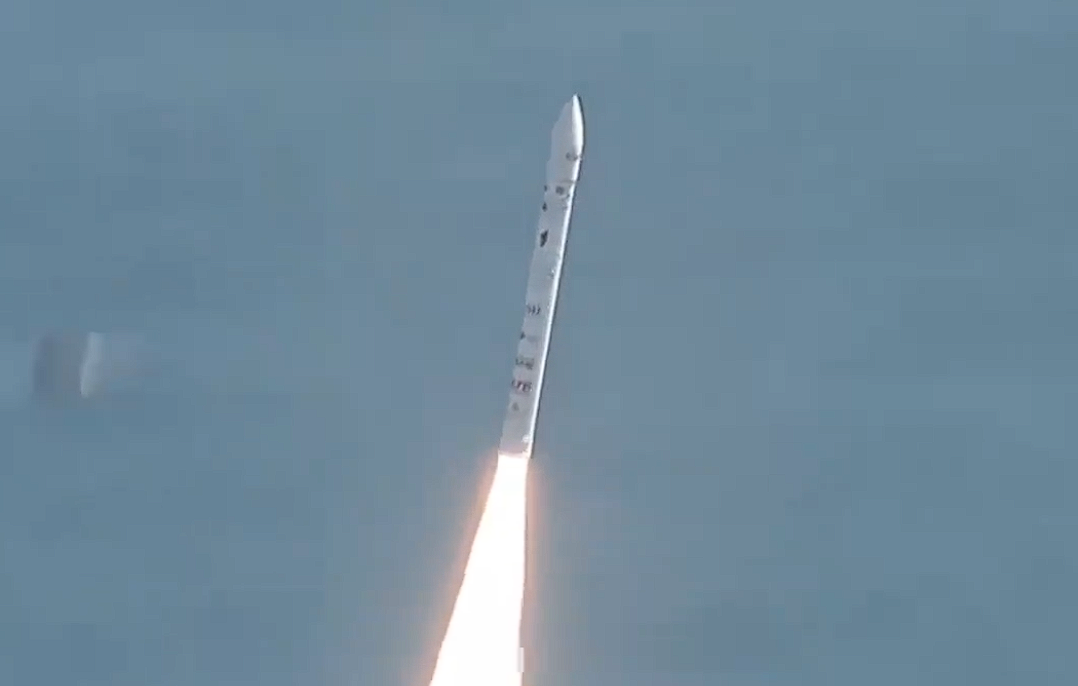
This launch came with twists and turns:The launch originally scheduled for February was postponed due to weather, canceled due to wind on March 1, and was urgently suspended on March 4 due to satellite positioning signal problems when the countdown was 30 seconds..
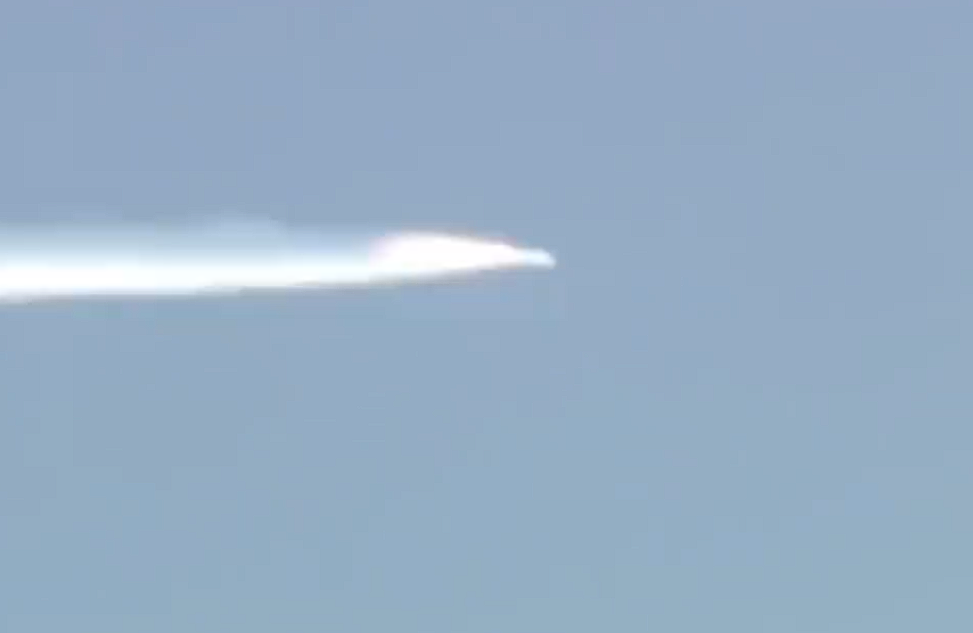
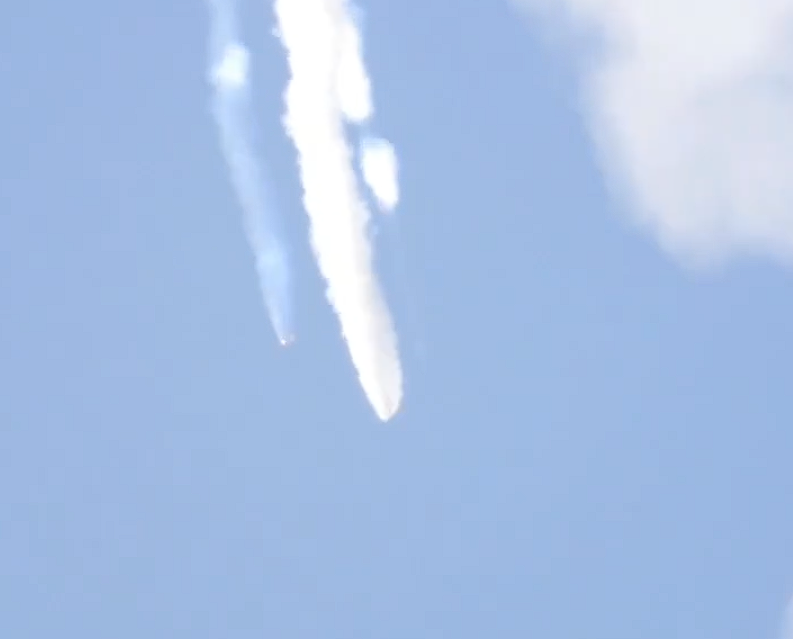
The live broadcast showed that after the rocket took off, the attitude quickly lost control and flew in a spiral. The ground control center judged that it could not complete the mission and activated the automatic flight termination system (AFTS) to cause it to disintegrate. Preliminary analysis pointed to an abnormality in the first-stage engine nozzle drive control, causing the rocket to deviate westward from the safety boundary.
The "Space One" company was jointly founded by Canon Electronics, IHI Aerospace and other companies, with the goal of becoming the first Japanese company to achieve a private rocket into orbit.
The "Kailos" small rocket launched this time has a four-stage configuration (three-stage solid + one-stage liquid), with a total length of 18 meters, a diameter of 1.35 meters, and a weight of 23 tons. It has a low-Earth orbit carrying capacity of 250 kilograms. It carries 5 satellites, including the Taiwan Space Center satellite, and was originally planned to be sent into low-Earth orbit.
The company currently states that it is investigating the failure in detail and plans to launch the No. 4 machine as soon as possible. However, three consecutive failures have caused the outside world to question its technical route and reliability.
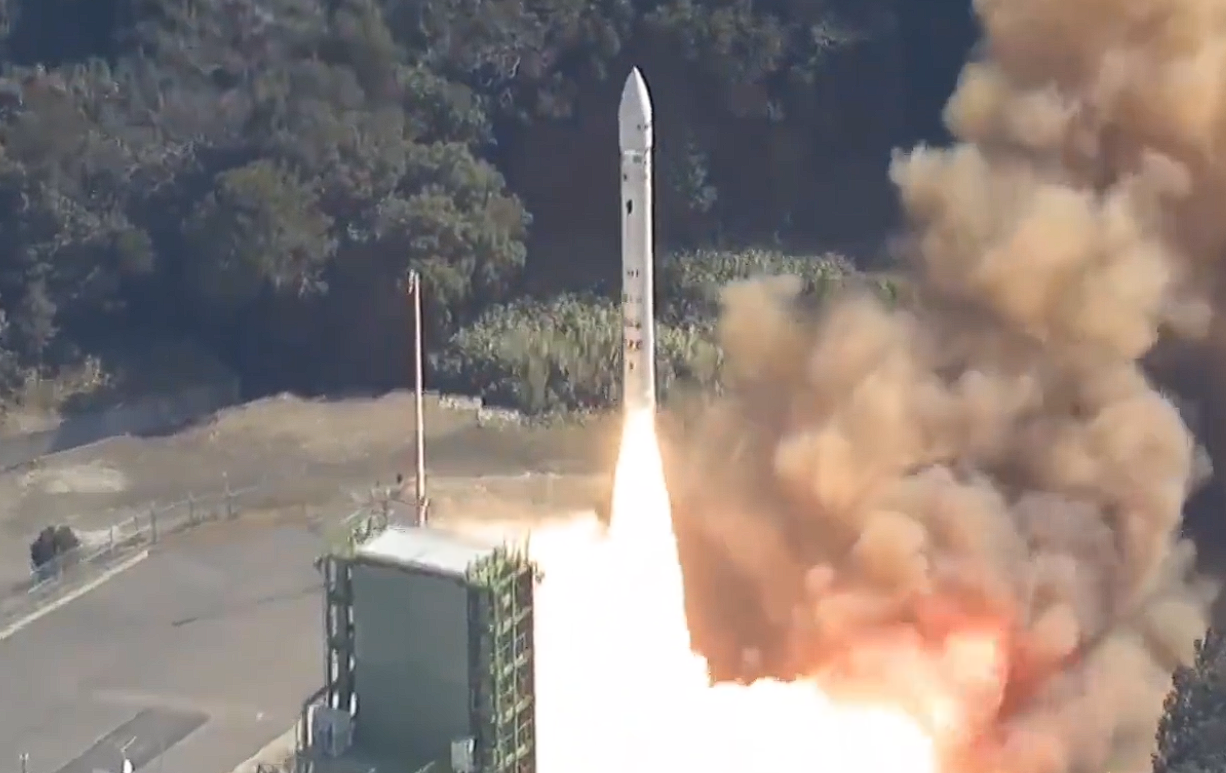
Review previous failures:It first flew in March 2024 and exploded due to an error in thrust prediction just 5 seconds after takeoff; it flew for the second time in December of the same year and self-destructed about 3 minutes after flying due to an altitude control system failure..