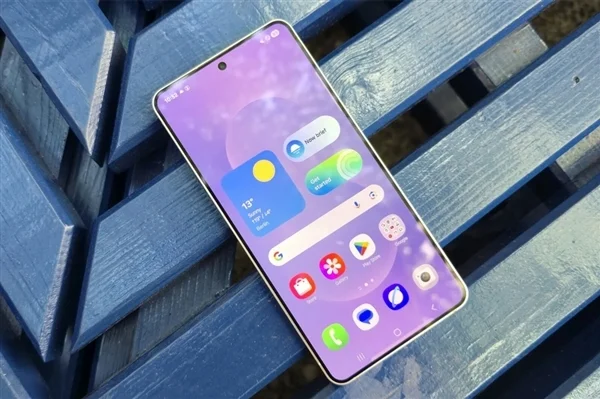
The Samsung Galaxy S22 downclocking incident that took four years has finally settled.The Seoul High Court in South Korea recently issued a ruling requiring Samsung Electronics to pay compensation to affected consumers.This legal dispute began in March 2022, when a large number of Korean consumers jointly sued Samsung, accusing the Game Optimization Service (GOS) application pre-installed on its system that forcibly limited the performance of the mobile phone, resulting in a significant decline in user experience.
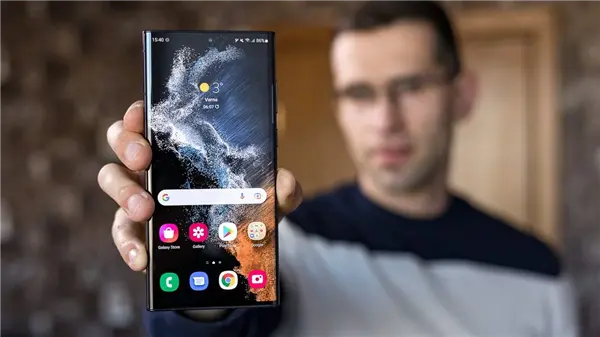
GOS is a system-level application developed by Samsung specifically for the Galaxy S22 series. Although it is designed to prevent the phone from overheating, it controls the temperature by forcibly reducing the GPU frequency and lowering the screen resolution.
In the early days of the model's release, this feature could not be turned off or disabled manually by the user. It was not until several years later, under tremendous pressure from public opinion, that Samsung released a system update that officially provided the option to close GOS applications.
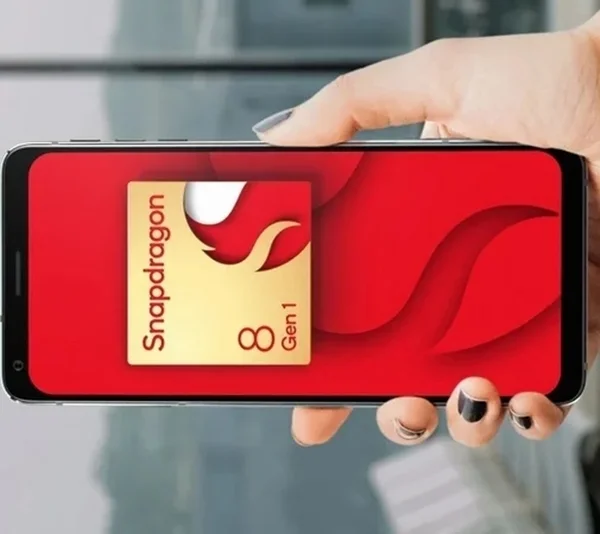
The Galaxy S22 series was equipped with Qualcomm Snapdragon 8 Gen1 flagship processor. The GPU that was forced to downclock was Qualcomm's self-developed Adreno 730. This caused the performance of the hardware that consumers spent a lot of money to purchase to seriously shrink in actual use.
Many users have reported that even when not running high-load games, the performance of their phones is still being reduced for no reason. The plaintiff insisted that Samsung failed to fulfill its obligation to inform consumers of GOS’s limited performance during product promotion and sales.
After a long trial, the court finally ruled that Samsung must pay financial compensation to 1,882 consumers who participated in the lawsuit. At present, neither party has raised any objection to the ruling, which also marks the official end of the four-year performance rights litigation.
Prior to this, Apple also experienced a frequency reduction gate. Between 2016 and 2017, Apple reduced the performance of older iPhones through iOS system updates without users’ knowledge to prevent unexpected shutdowns caused by aging batteries.
This behavior was questioned to induce users to replace new phones, triggering global lawsuits and denunciations. In the end, Apple apologized, provided preferential battery replacement services and compensated consumers.