The National Aeronautics and Space Administration (NASA) has used a new generation of laser communication system on a large scale for the first time in the ongoing Artemis 2 manned mission around the moon, bringing higher-quality real-time images of the moon to audiences on earth. It also marks a major transformation of deep space communication methods from traditional radio to high-speed optical links. This system is called "Orion Artemis II Optical Communications (O2O)" and is installed on the "Orion" spacecraft. According to NASA, its downlink rate can reach up to 260 megabits per second and supports the direct transmission of ultra-high-definition 4K video back from the moon.
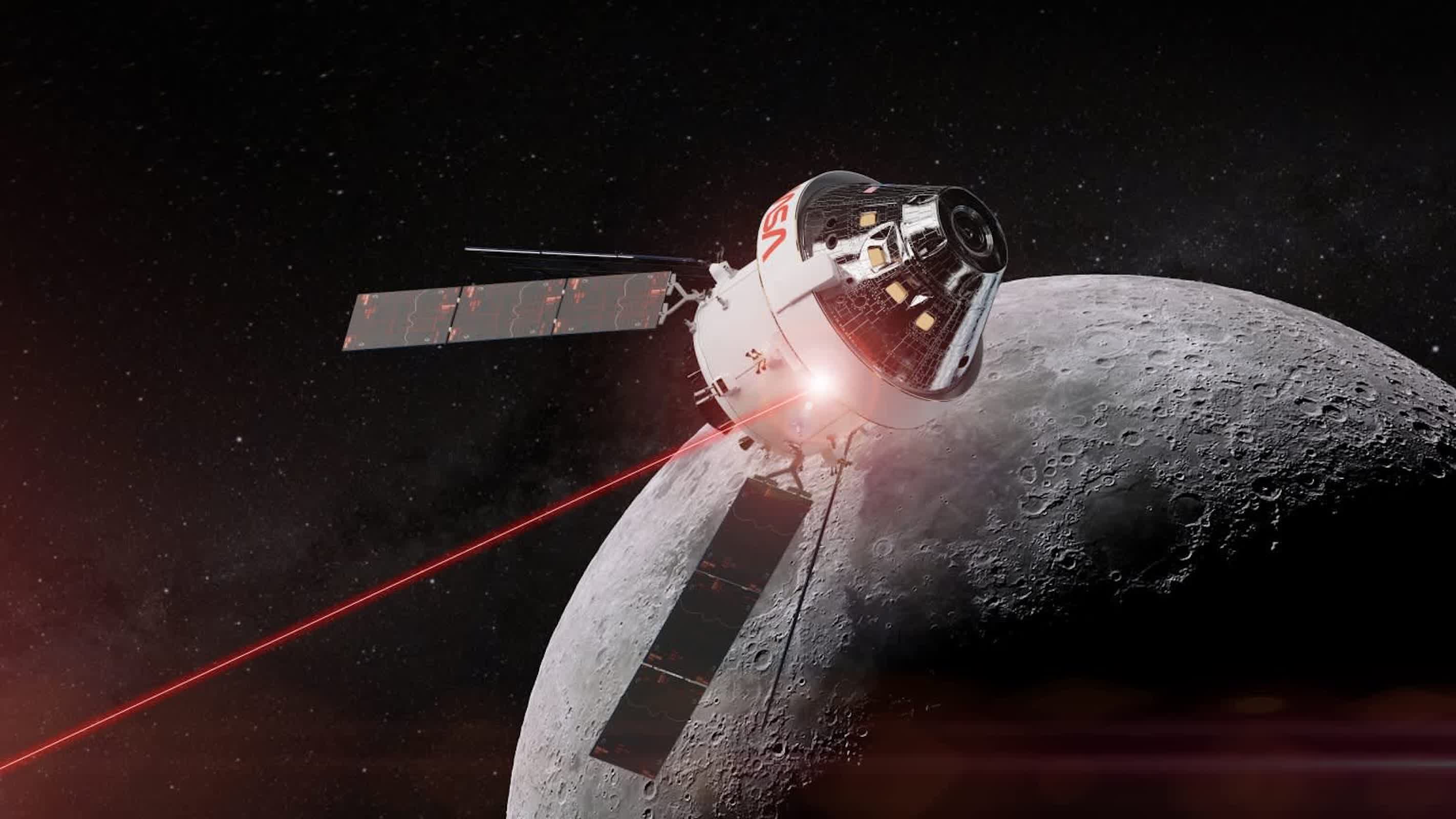
The introduction of O2O means that the radio-based deep space communication technology in the Apollo era is being replaced by more efficient optical solutions. Steve Horowitz, the manager in charge of the project, said that at a data rate of 260 Mbps, O2O can transmit back 4K high-definition video from the moon. It will also undertake various downlink and uplink mission instructions and data, including operational procedures, pictures, flight plans, etc., and build a high-bandwidth optical data channel between Orion and the ground mission control center.
To ensure the stability of laser links, NASA has deployed ground laser stations in the southwest and west coast of the United States, located in Las Cruces, New Mexico, and the Table Mountain area of California. These locations were selected due to favorable meteorological conditions such as sunny days and low cloud cover to minimize the interference of the atmosphere and weather on optical communications. NASA engineers pointed out that compared to traditional radio systems, laser communications can not only transmit a larger amount of data per unit time, but also the related equipment is more compact and lightweight, helping to reduce the size and weight of the spacecraft.
Thanks to the "downsizing" of the system, more space can be released in the Orion cockpit for crew activities and scientific research equipment. It is regarded as a comprehensive upgrade to the Apollo-era technology. The Apollo missions relied on S-band radio to transmit black-and-white images of Armstrong and Aldrin stepping onto the lunar surface back to Earth, but the imaging equipment and communication solutions used by Artemis 2 were much more advanced. During this mission, astronauts will use Nikon digital cameras to capture the lunar landscape, including the area on the far side of the moon that humans may have never seen with their own eyes. These images will be transmitted back through the O2O system, presenting an unprecedented real-time visual experience to audiences on earth.
Although optical communications have become a highlight of this mission, NASA still regards traditional radio networks as critical support and backup. Orion will continue to maintain radio frequency contact through NASA's Deep Space Network. This large antenna array located in California, Spain and Australia has long been responsible for communication work for deep space missions such as Voyager and the Mars Exploration Rover. It will provide redundancy when the laser link is affected by atmospheric or optical conditions.
NASA has also pre-planned a communication interruption window in the Artemis 2 mission: when the spacecraft flies to the back of the moon, it will completely lose contact with the Earth for about 41 minutes. Due to the physical obstruction of the moon, neither laser signals nor radio signals from the Deep Space Network can penetrate. Communication will only be restored after Orion re-circulates the back of the moon.
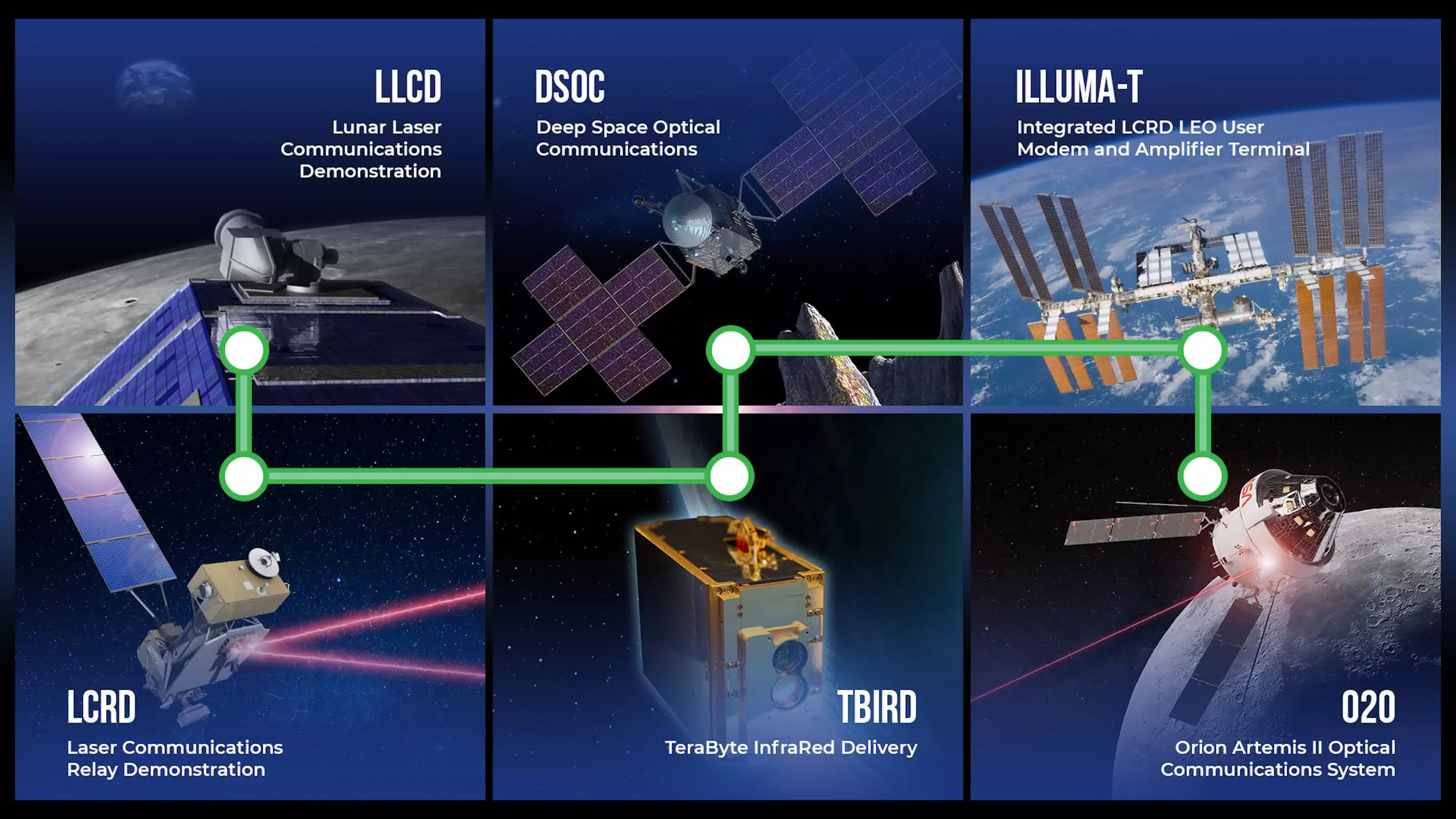
Regarding the data rate of 260 Mbps, NASA emphasized that this is a significant jump in deep space scenarios, but it is not the upper limit of the agency's laser communication capabilities. Previous laser communications demonstration missions have achieved data transmission rates of up to 622 Mbps, and some low-Earth orbit projects have further increased speeds to 200 gigabits per second. However, at a distance of nearly 240,000 miles (approximately 384,000 kilometers) between the Earth and the Moon, it can stably provide 260 Mbps downlink bandwidth, which is enough to support high-quality lunar high-definition video and large-capacity scientific data backhaul, providing unprecedented technical conditions for humans to witness "return to the moon" on Earth.