A class-action lawsuit filed in the U.S. Federal Court for the Southern District of California is drawing public attention back to the risks that smart TV firmware updates may bring, targeting Roku and long-term partner TCL. The indictment stated that instead of improving the experience, a series of software updates pushed by the two companies continued to cause serious failures, and in some cases even made the TV completely useless and unable to be turned on or used normally.
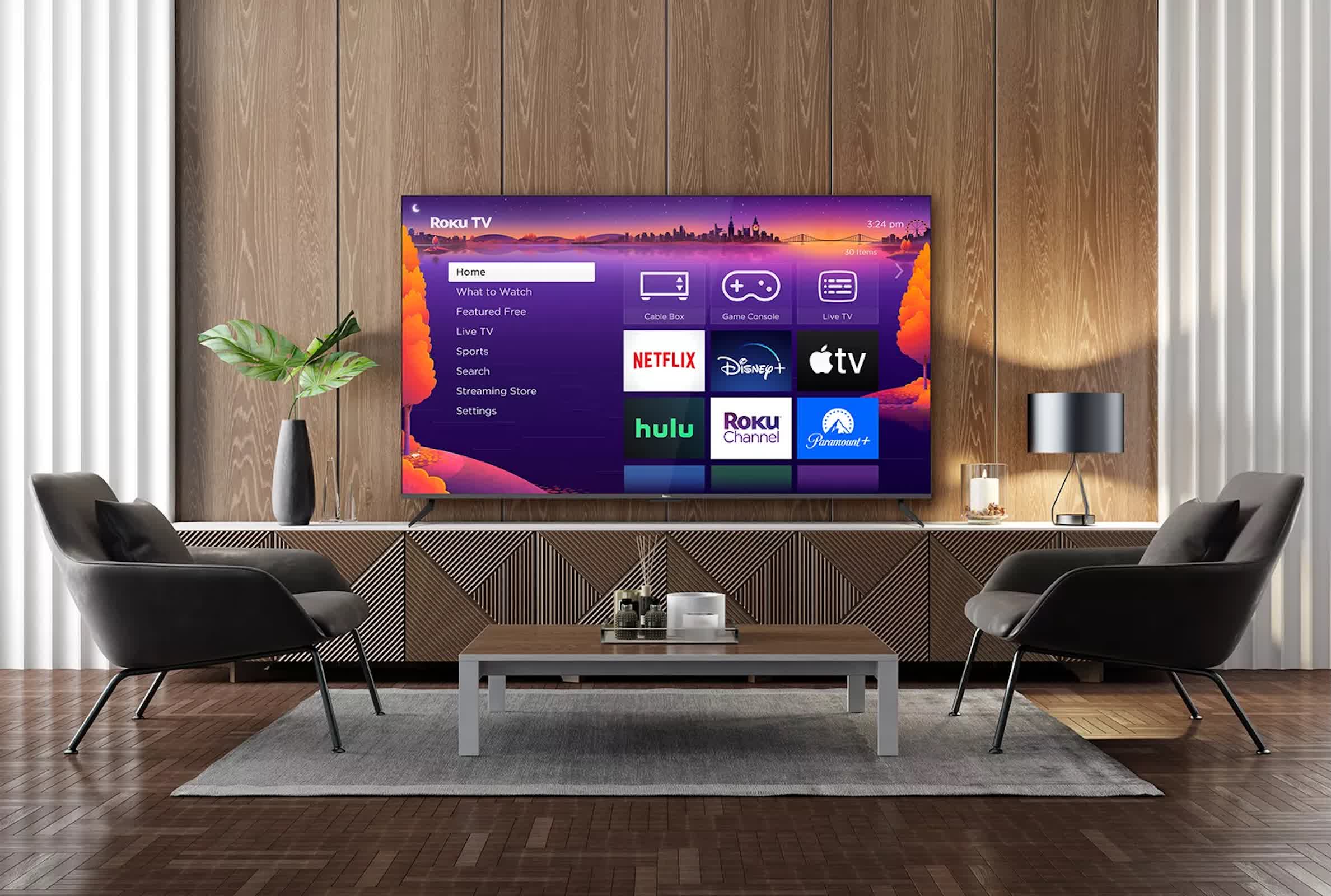
According to the complaint, the issues involve multiple models powered by Roku OS, including Roku's own-brand Select and Plus series, as well as TCL 3, 4, 5 and 6 series TVs running Roku OS. The plaintiff alleged that the relevant updates caused by multiple pushes were not sporadic errors, but "recurring defective firmware" that caused the TV to frequently freeze, fall into an infinite reboot loop, lose picture output, and even fail to boot at all during daily use.
The plaintiff in the case is user Terri Elise, who said in documents submitted to the court that Roku and TCL continued to push updates to affected models despite continued complaints from users about system crashes and device malfunctions. "Defendants have failed to provide any remedy despite continued complaints from consumers of repeated system failures that rendered many televisions completely unusable," the lawsuit reads. The plaintiffs argue that this approach is inconsistent with the companies' promises in their express warranties that they will "repair, correct, or otherwise remedy defects in the software."
In response to the accusations, Roku responded in a statement, "We believe these accusations are baseless." TCL chose not to comment. The case is still in its early stages. The court has not yet determined the factual liability, and the specific number of potentially affected users has not yet been calculated.
The lawsuit also amplifies a broader industry concern: Smart TVs are becoming more like embedded computing devices rather than just displays. Modern smart TVs deeply integrate operating systems, drivers and cloud services. This architecture facilitates the frequent launch of new features and security updates, but it also means that once there is a problem with the update, the entire machine is often affected. Unlike smartphones and PCs, where users can defer or roll back updates to some extent, many smart TVs automatically install new firmware, leaving little room for users to reject or roll back, significantly reducing their ability to save themselves if an update fails.
The indictment cites feedback from multiple users on the online platform to support its allegations. Some users said that the TV had a black screen shortly after an update, with only sound or no signal output at all; others said that the device would automatically shut down intermittently during use, or repeatedly get stuck on the system startup interface after restarting. "I was looking at the TV and it suddenly stopped showing the screen," one user wrote, while another complained that the TV frequently turned off or lost its display after the update. There are also reports of force-pushed firmware updates disabling some features or failing during installation, leaving the system in a semi-corrupted state. Public posts with similar questions date back at least two years, broadly consistent with the timeline outlined in the complaint.
From an engineering and product development perspective, this controversy is also seen as a "negative lesson." The indictment states that without safety mechanisms such as staged rollouts, system recovery modes, and alternate firmware, a single failed update could be enough to "brick" a device. Under the highly integrated software architecture of smart TVs, such problems are more likely to break out in a centralized manner rather than being limited to controllable small-scale testing.
The case has not yet entered the merits stage, and the plaintiffs are requesting a jury trial and seeking damages and other relief for the proposed class members. If the court ultimately supports part of the plaintiff's claims, Roku and TCL may not only face financial compensation, but may also be required to adjust their firmware update mechanisms and after-sales policies to reduce the risk of future updates rendering devices unavailable.