A survey conducted by IGN, Kantar, and the University of California, Berkeley, in the United States, the United Kingdom, and Australia showed that 62% of core players no longer purchase games at full price, and there are significant differences in the consumption habits of different age groups.
The survey found that 38% of Millennials and 42% of Gen Z still pay full price for games, compared with only 20% of Gen X. This reflects not only changes in consumption habits, but also a broader shift in the way people enjoy video games.
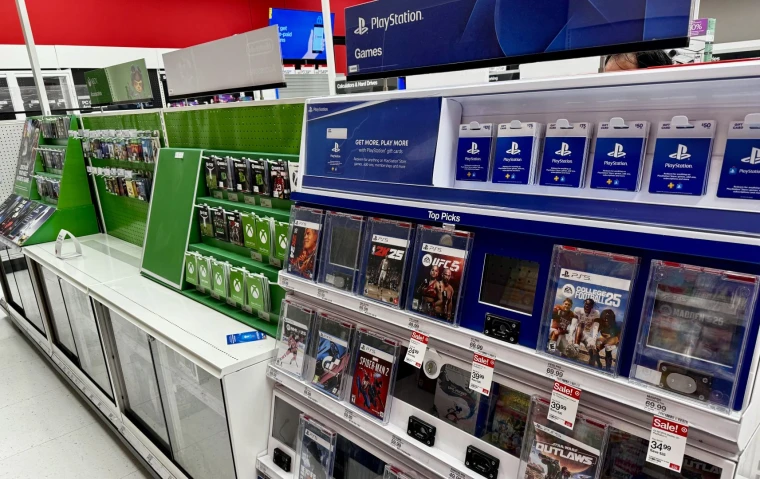
Analyst Christopher Derling pointed out that this phenomenon is related to excess supply in the market. “The market has changed, and consumers have become saturated with ‘playable, watchable, and readable’ content,” he said. Additionally, many games are incomplete at launch and often require one or two patches to be polished. Taking these two factors into consideration, the motivation for players to rush to buy on the launch day is no longer what it used to be. The positive side is that the life cycle of games is extended, and many blockbusters can sell for years or even decades.
There are also behavioral differences between different generations: Generation X relies more on Google to search for new games; 85% of Millennials prefer YouTube; while Generation Z relies mainly on social media. In terms of game type preferences, Generation X prefers single-player games, Generation Z obviously prefers multiplayer games, and Millennials are roughly evenly divided. Their pursuit of gaming experience is also different: Generation X and Millennials tend to play through or improve games repeatedly, while Generation Z pays more attention to new content, personalization and community interaction.