Meta CEO Mark Zuckerberg recently announced on the social platform Threads that the company has launched a new Meta AI feature called Incognito Chat, focusing on a "completely private" chat experience. He calls it "the first major AI product that doesn't keep a record of your conversations on the server."
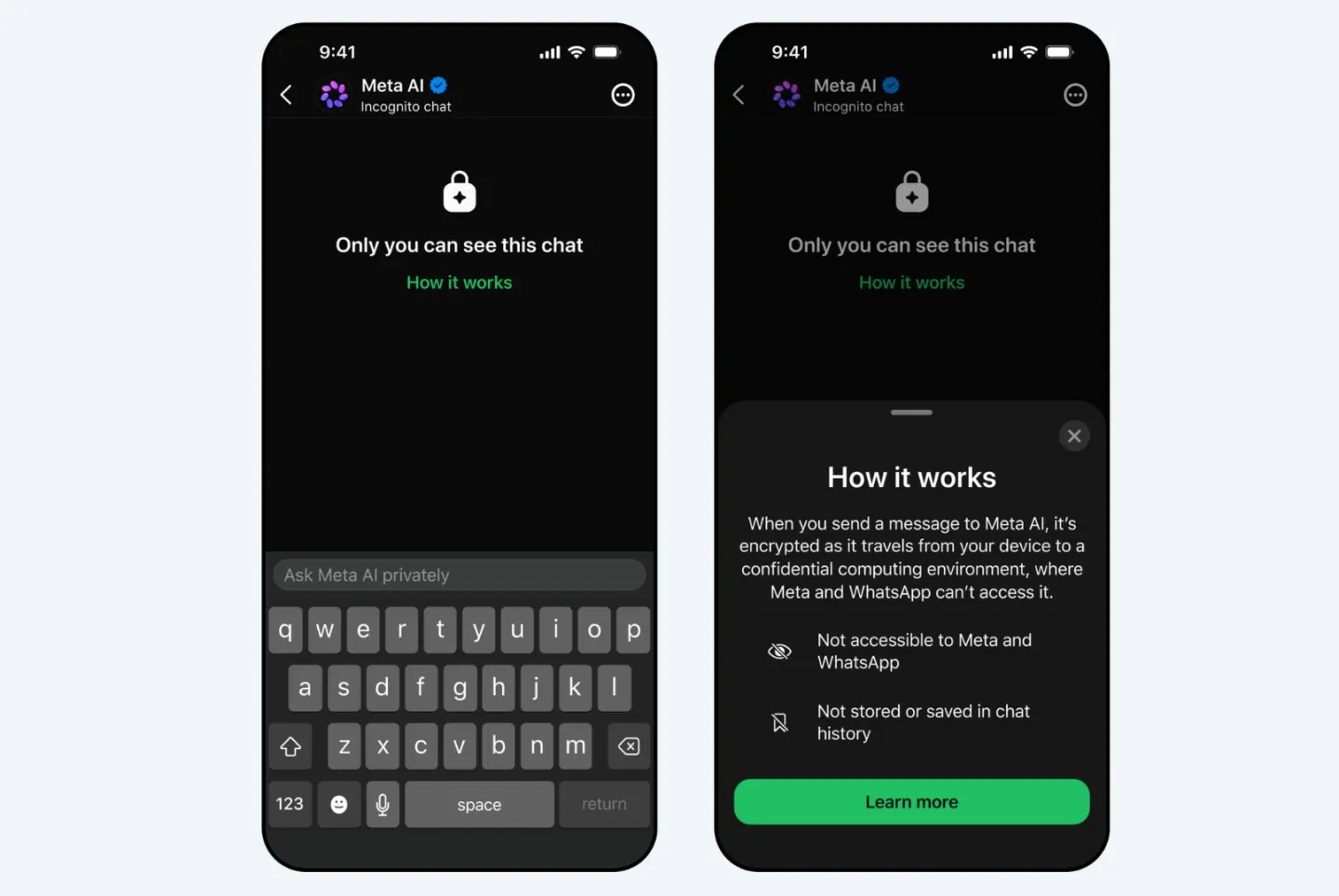
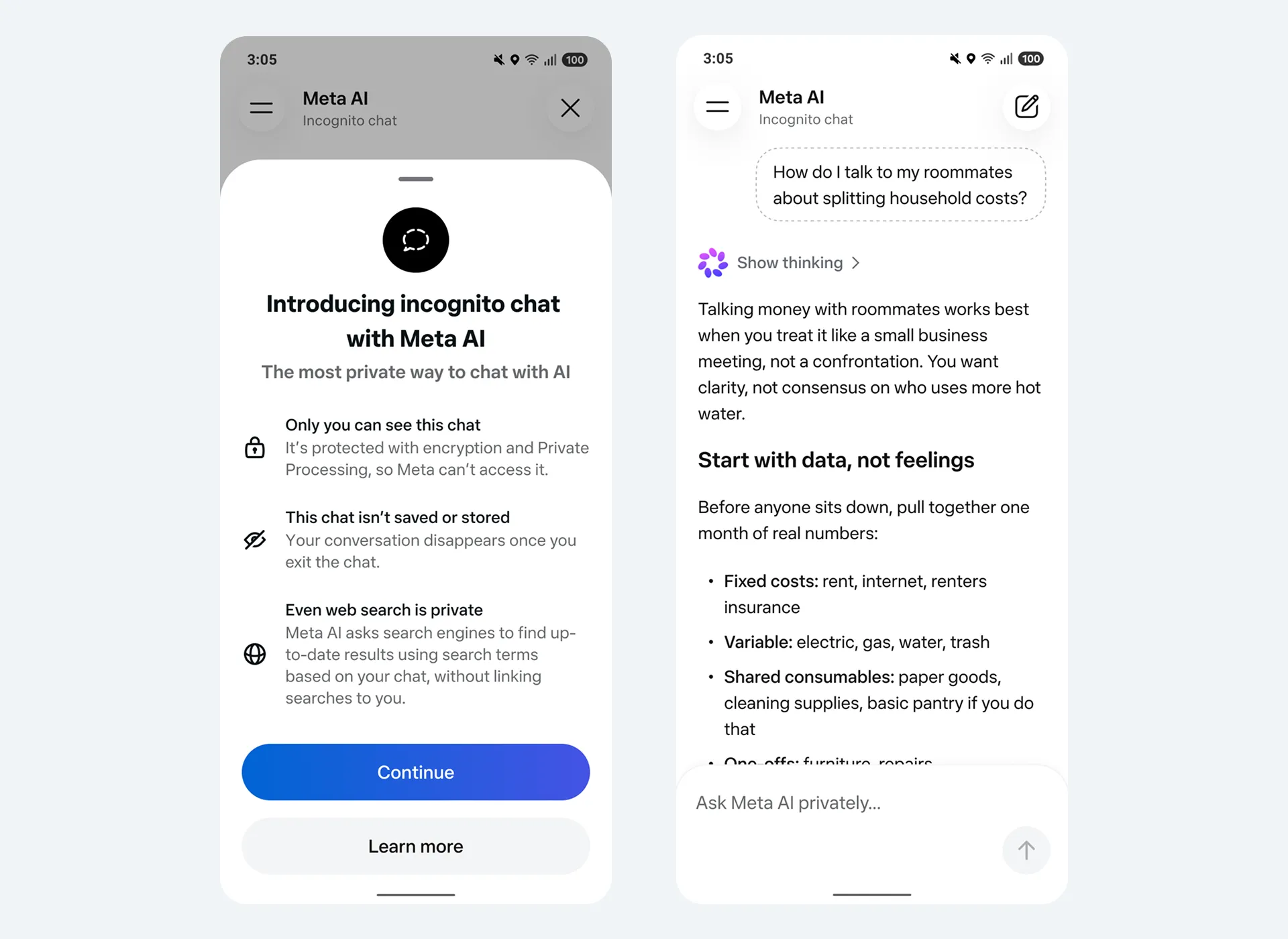
According to information released by Meta, conversations in Incognito Chat will not appear in the user's chat history, and the messages will disappear after the chat ends. The usage method is similar to the "incognito mode" of other AI chatbots, but the company emphasizes that the difference lies in the addition of end-to-end encryption. Meta said that although the incognito chat of other applications does not leave traces in the history, the platform can still see the questions sent by users and the answers returned. In Meta's Incognito Chat, "no one - including Meta itself - can read the content of your conversation."
This stance is also seen as a response to the current controversy over the privacy of AI chat records. Google has previously stated that its Gemini's temporary chat data will be retained for up to 72 hours; OpenAI's ChatGPT temporary sessions can be retained for up to 30 days; and Anthropic's Claude incognito conversations will be retained for at least 30 days. Anthropic and OpenAI have yet to comment on the release of Meta’s new features.
The storage of AI chat history has been involved in legal disputes several times in recent years. In the two shootings at Tamborine Ridge in Canada and at Florida State University in the United States, the chat logs of the parties using ChatGPT became one of the core evidences in the lawsuit, alleging "flawed design" surrounding the AI system. In addition, in the case of the New York Times suing OpenAI, the court also required that relevant chat records be kept "indefinitely." At the same time, Google was sued by the family of a 36-year-old man after Gemini was accused of providing "mission-style" instructions that led to his death.
Meta says Incognito Chat builds on the Private Processing technology previously launched for WhatsApp to process data privately in the cloud. This new feature will be rolling out to WhatsApp and the standalone Meta AI app in the coming months, providing users with the option of encrypted ad-hoc AI conversations. At the same time, Meta just recently canceled the end-to-end encryption of Instagram direct messages, which also makes its encryption strategy across different product lines in sharp contrast.
Faced with escalating public opinion and litigation pressure from competitors on privacy and liability, Meta is trying to re-emphasize its technical commitment to user privacy in the era of big models through this "invisible AI chat" feature. However, in the context of AI services that rely heavily on data training and log monitoring, it remains to be seen to what extent this "completely private" design can be implemented and accepted by the market.