AMD finally announced that it will bring its latest generation AI-driven super-resolution technology FSR 4.1 to older graphics cards, including RX 7000 series and RX 6000 series GPUs, as well as Steam Machine.

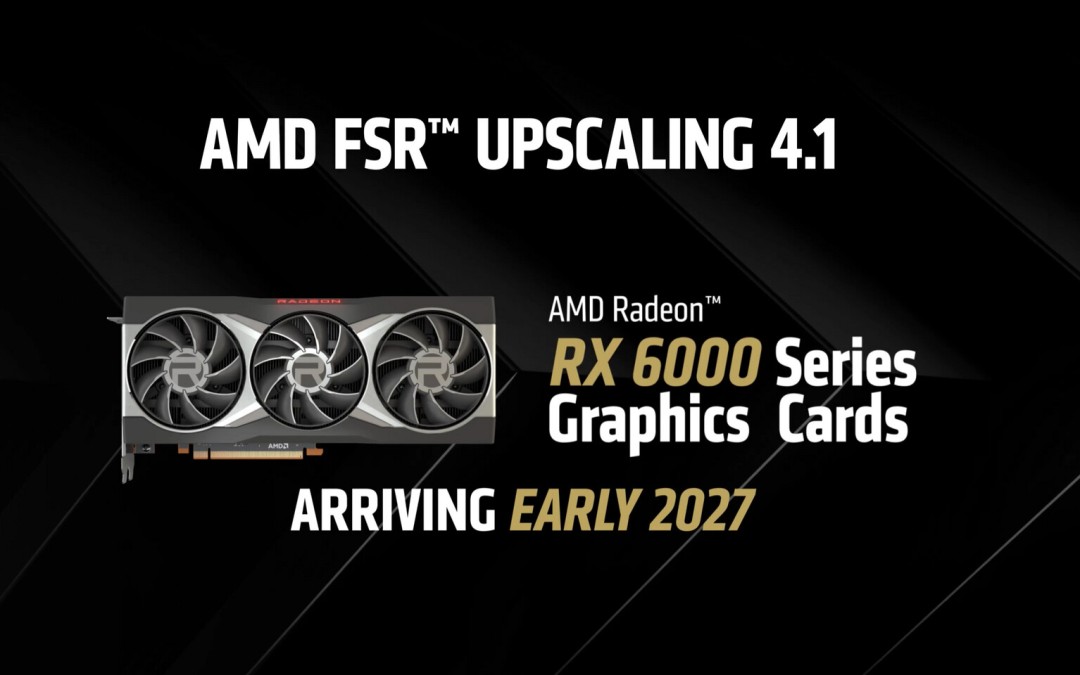
According to AMD, RDNA 3 architecture GPUs, namely the Radeon RX 7000 series, will receive FSR 4.1 support as soon as July this year, while the older RX 6000 series and GPUs used in Steam Deck will add support in early 2027.
FSR 4.1 was officially launched in March this year. Currently, it only supports AMD RDNA 4 architecture graphics cards, such as RX 9070XT, RX 9070 and other products. The previous generation of RDNA 3 high-end graphics cards like the RX 7900 XTX have been stuck at the FSR 3 stage. AMD has emphasized many times in the past that specific hardware units in new-generation graphics cards make AI super-resolution functions possible, which cannot be achieved with old architectures. But things have clearly changed now.
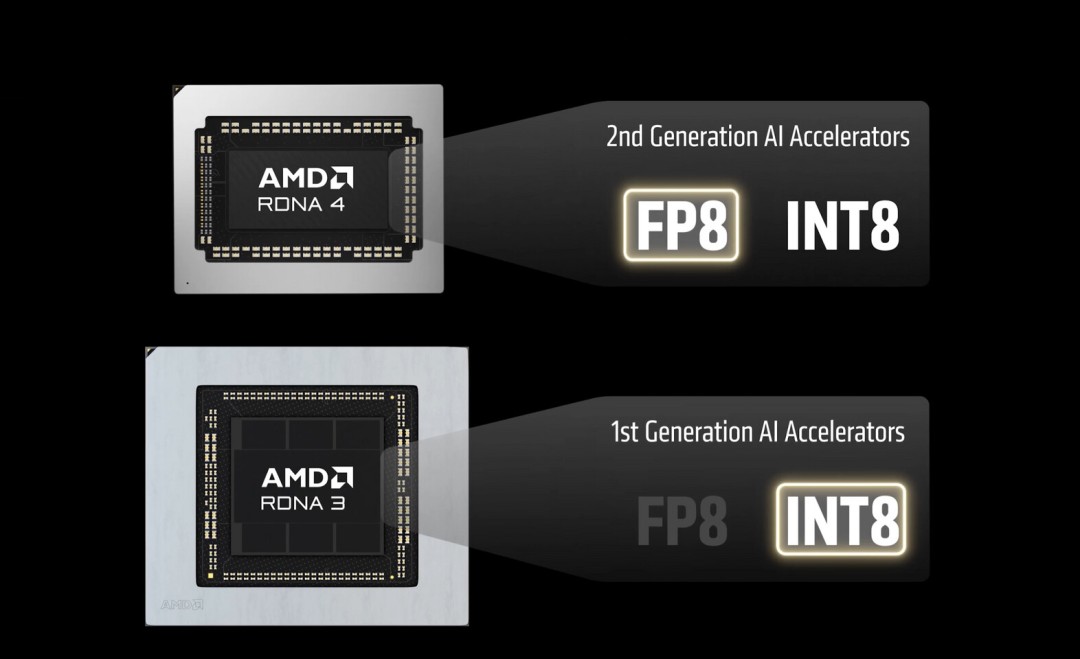
FSR Upscaling 4.1 on RDNA 3 will use the same underlying model as RDNA 4. However, the hardware differences will lead to some backend changes, as RDNA 4 has both FP8 and INT8 processing units, while RDNA 3 only supports INT8. AMD explained that the company took the FP8 format into consideration when developing FSR Upscaling 4.1, and that the latest ML (machine learning) algorithms have been optimized and ported for the INT8 data format to be compatible with RDNA 3. This difference in hardware support has delayed AMD's progress in porting FSR technology to the RDNA GPU architecture below 4 generations, but now it is finally available.
AMD executive Jack Huynh said that the company has done a lot of optimization work to ensure that FSR 4.1 can run smoothly on older hardware. More importantly, he also revealed that AMD plans to further decentralize FSR 4.1 to older RDNA 2 graphics cards in early 2027, including the GPUs used by Steam Deck.
This not only means that older desktop graphics cards will have a longer life cycle in today's era of soaring PC hardware prices, but it is also good news for new devices using the RDNA 3 architecture in the future, such as Valve's upcoming Steam Machine.
Valve has previously stated that this PC for the living room scene will rely on super-resolution technology to achieve a 4K gaming experience. However, since only FSR 3 could be used at the time, and FSR 3 itself had many flaws, this solution was not particularly attractive. Now with the arrival of FSR 4.1, the situation is completely different - after all, this technology is also the basis of the PSSR 2 technology currently on Sony PS5 Pro.
What’s even more exciting is that AMD has also promised to bring FSR 4.1 to older RDNA 2 graphics cards in early 2027, which naturally includes Steam Deck. This news also means that consoles like Xbox Series
Considering that some recent works - such as "Consciousness" - are even using FSR 1 on Xbox Series X and PS5, there is still a lot of uncertainty as to whether developers are willing to upgrade.
But in any case, this is still quite good news for players who want to continue to squeeze out the performance of their existing hardware. FSR 4.1 is expected to further improve the picture quality after low-resolution enlargement. As for how much additional performance improvement it can bring, it remains to be seen.