In popular perception, the most important role of bees is to pollinate wild plants and crops; but an article published on "World Bee Day" pointed out that bees' contribution to the natural world goes far beyond that. They also support a hidden and complex ecological network. They may be symbiotic partners, prey, hosts, or even unwilling "transportation".
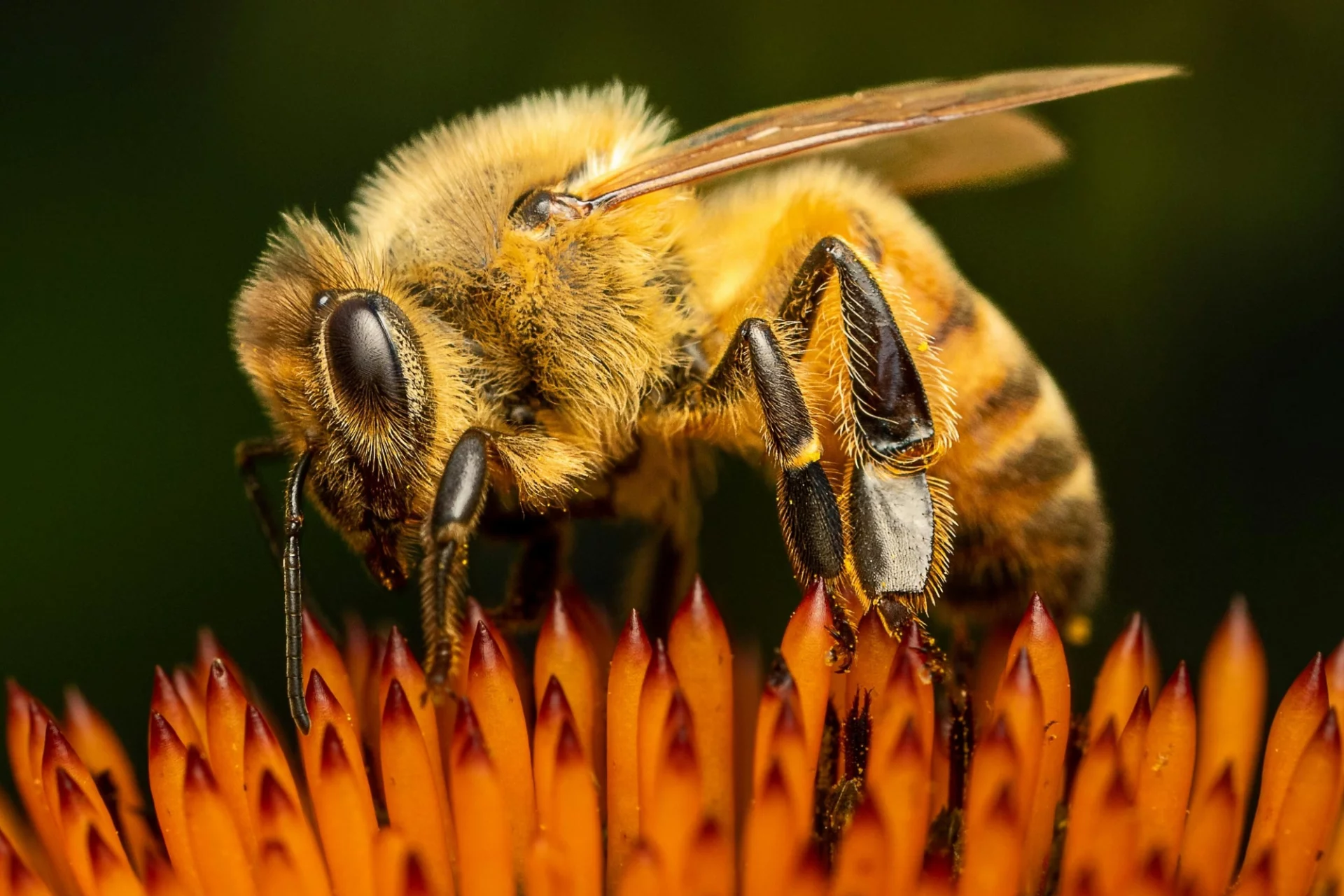
Many creatures depend on bees for their survival. Predators such as bee wolves capture bees and use them to feed their larvae in underground nests; crab spiders often lie on flowers and wait in disguise, waiting for the bees to come to suck the nectar and then capture and devour them. They may even spit out their bodies after eating. Not only insects, but also vertebrates will feed on bees. For example, bee-eaters, great tits and some bats will include bees in their diet, while badgers and foxes often prey on larvae and honey in beehives. The history of human consumption of honey is also extremely long, and it existed long before there were written records.
The article further points out that bees are also hosts for a variety of parasitic organisms. For example, the bee louse Braula coeca will live on bees and live on bee secretions; and a pathogenic nematode called Sphaerularia bombi will invade the body of the queen bumblebee while she is hibernating, causing her body to become "full", causing her to lose her ability to reproduce and become a vector for spreading parasites. There are also "cuckoo wasps" that sneak into bumble bee nests, suppress the bumble bee queen, and force the worker bees to raise their own offspring.
Certain parasitic relationships can be further lethal. Insects of the genus Stylops parasitize on the abdomen of bees, and usually only a small protrusion is exposed on the abdomen; when they enter the breeding stage, they will drill out from the abdomen of the host, eventually killing the bee. Although bee flies are harmless adults and can even participate in pollination, their larvae will parasitize solitary mining bees; the female will throw her eggs into the hive entrance, and the hatched larvae will first eat the bee eggs or larvae, and then feed on the stored pollen.
In addition to parasitism and predation, some species also use bees as "free transportation." Chaetodactylus attaches to solitary bees and uses them to travel to and from different nests; while coriander larvae often gather near flower heads, wait for bees to get close, then climb onto their bodies, ride them into the hive, and then feed on the contents of the nest, especially bee eggs. In addition, pseudoscorpions will also use their pincer limbs to hold bees, thereby saving energy for long-distance movement.
Whether they are solitary bees, mining bees, bees or bumble bees, they are far more than just pollinators, but an important part of maintaining a wider ecosystem. Countless organisms rely on bees as hosts, prey, transportation vehicles, or providers of food and habitat. Once bees disappear, not only will they lose the plants they pollinate, but they will also lose other animals that rely on bees for reproduction and survival.