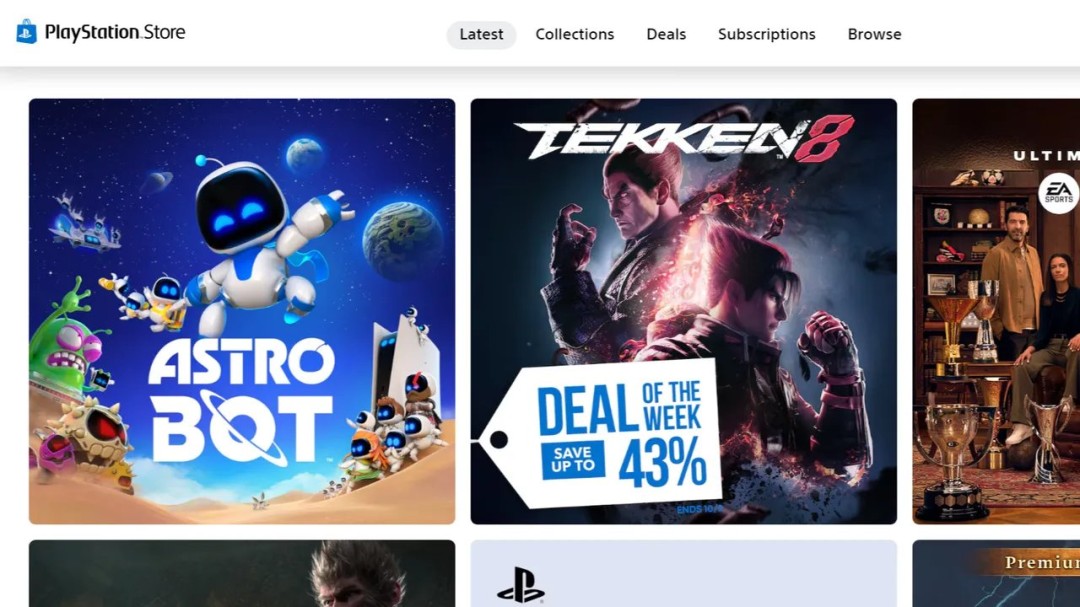
Sony's recent experiment with dynamic pricing in the PlayStation Store - showing different game prices to different users - may have violated EU law. Because Sony did not fully disclose this pricing mechanism to consumers, many legal experts pointed out that this approach is contrary to existing EU regulations.
Danish publication Arkaden quoted multiple experts as saying that Sony's pricing experiment appears to go beyond what is allowed under European law. Specifically, this practice is suspected of violating EU Directive 2011/83/EU. The directive explicitly states that if businesses use personalized pricing, they must inform end users “in a clear and understandable manner.”
Although Sony may not be "personalized pricing" in the strict sense, but "price grouping" through other undisclosed methods, Peter Rott, a law professor at the University of Oldenburg in Germany, believes that this does not exempt Sony from the directive. He noted: "I think that Article 6(1)(ea) of the Consumer Rights Directive still applies."
In addition, Sony's actions may also violate EU Directive 2005/29/EC. The Directive stipulates that commercial conduct should be considered "misleading conduct" if it "omits material information that is necessary for an average consumer to make an informed trading decision in a given situation."
It is worth noting that dynamic pricing is not Sony’s first initiative. Microsoft has used personalized pricing on the Xbox platform since 2022, but the key difference is: Microsoft will clearly inform users and place such offers in the "Just for You" area. The problem with Sony is not the use of personalized pricing per se, but the failure to disclose it to users in advance.

Sony did not respond to Arkaden's request for comment. Given the lack of case law in this area, any legal action would be groundbreaking. Christian Bergqvist, associate professor at the University of Copenhagen, said: "In the worst case, they may face fines. But for a company of Sony's size, the impact of fines will be limited." He also pointed out that the case may also involve competition law issues.

This controversy does not occur in isolation. Sony is currently facing a nearly £2 billion class action lawsuit in the UK, accusing it of having a monopoly on the pricing of digital games on the PlayStation Store, resulting in inflated game prices. At the same time, with Epic winning the lawsuit against Apple and Google reducing most app store rates to below 20%, Sony is facing increasing pressure on platform commissions and pricing strategies.