The Royal Air Force recently announced the purchase of a batch of "inflatable missile site" systems to simulate modern surface-to-air missile threats in actual combat training. These realistic-looking inflatable launchers are not a gimmick or a simple cost-saving measure, but part of a new generation of "Sting" training systems designed to help fighter pilots practice tactics and procedures against surface and air threats.
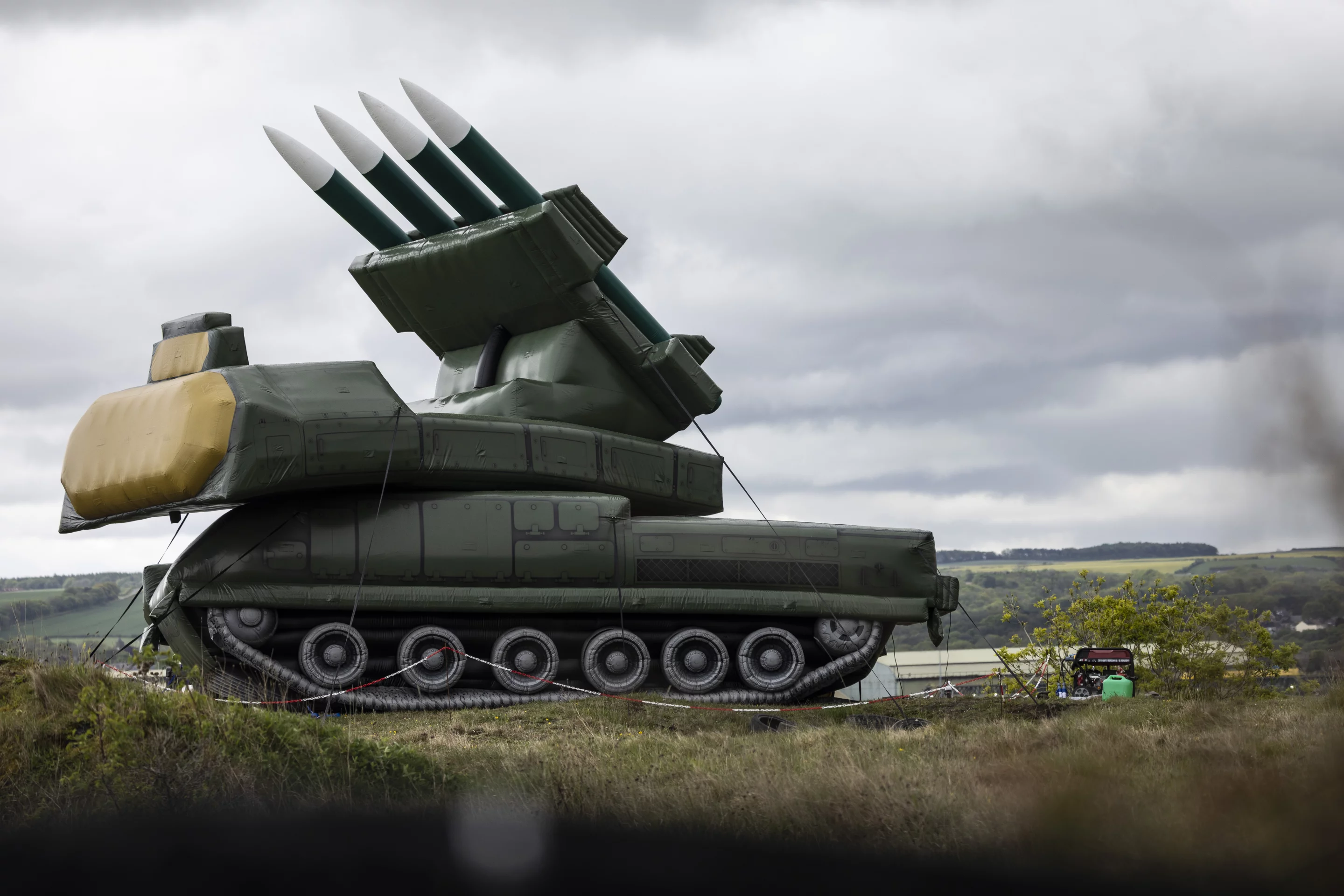
This is not the first time that inflatable equipment has been used for military deception and training. As early as World War II, the Allies deployed a large number of inflatable tanks, trucks, jeeps, artillery and even aircraft to confuse enemy reconnaissance by camouflaging bases, supply depots and integrated troops, making it difficult for the Axis powers to accurately determine the true deployment of troops. Today, the Royal Air Force builds on this tradition by combining inflatable equipment with modern electronic countermeasures technology to create a more complex and realistic training environment.
The Royal Air Force said that the "Sting" system was jointly designed and built with the defense contractor Draken Company. Its core purpose is to accurately replicate complex surface-to-air missile systems (SAM) and provide high-level confrontation training for fourth- and fifth-generation fighter pilots. Platforms participating in the training include the "Eurofighter Typhoon FGR4" and the F-35B "Lightning II" fighter developed by Lockheed Martin.
Different from the traditional impression of "inflatable targets", the "Sting" system is far more than just realistic in appearance. When deployed, the system can produce real-time, realistic electronic threat signals that challenge the onboard sensors of modern fighter jets. In a real flight environment, pilots must complete threat identification, situation analysis, tactical maneuvers, and suppression or destruction tasks just like facing a real enemy air defense system, and improve their comprehensive response capabilities to complex electromagnetic and air defense systems.
During the actual exercise, pilots will also face the Phantom Sky range control system provided by Draken, which can build a complete set of simulated air defense networks that can respond dynamically. Phantom Sky can react and make tactical adjustments in real time based on the pilot's actions, allowing the simulated air defense system to show "confrontation" and "adaptability" similar to real enemy situations, further improving training intensity and unpredictability.
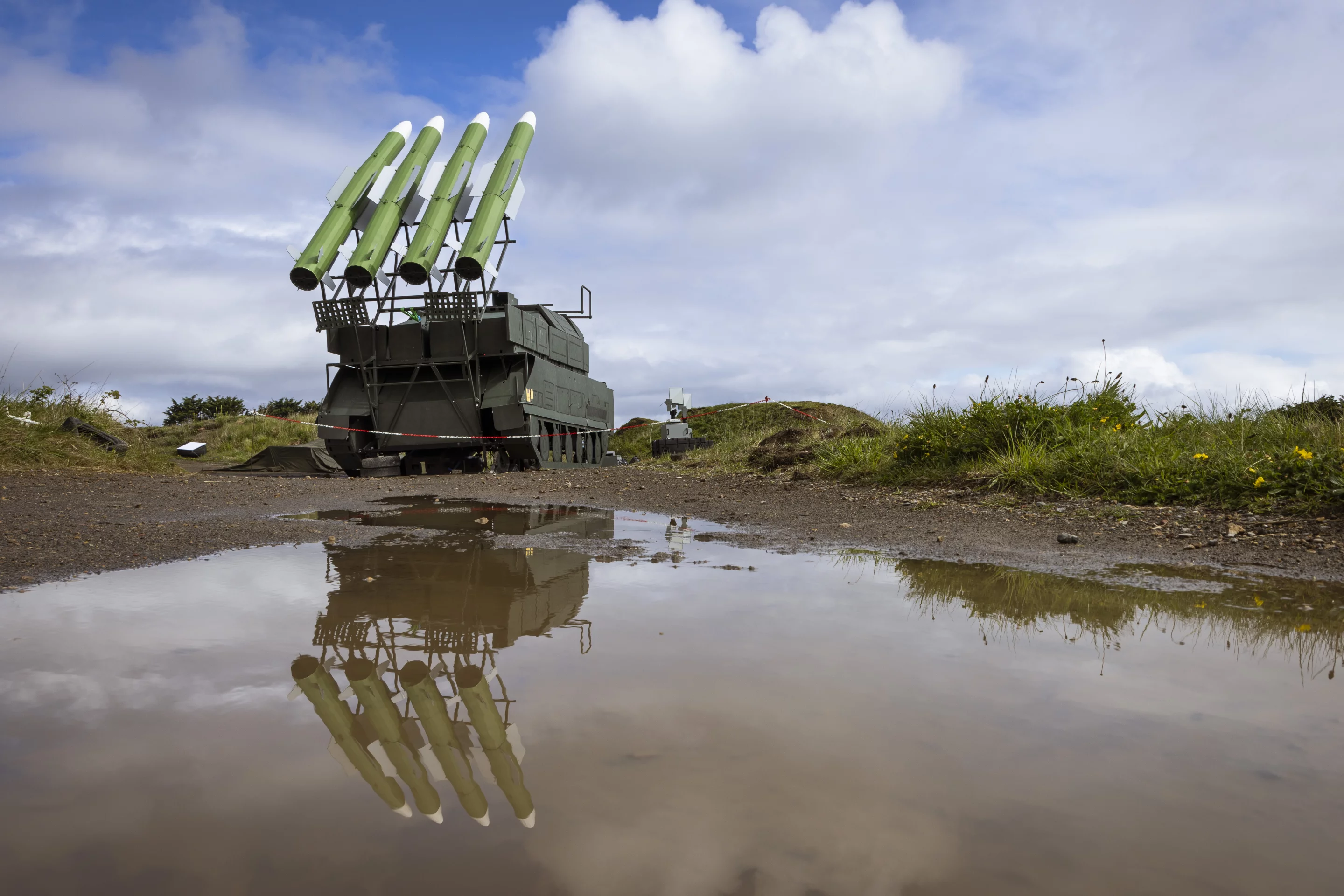
Despite the rapid development of technologies such as electronic warfare, computer vision and multispectral sensors, the Royal Air Force still emphasizes the importance of visual identification. They pointed out that in many nearly fully digital combat environments, the final strike link of the mission often still relies on the pilot's "naked eyes" to confirm the target, which is the so-called "Mark I Eyeball (I-type naked eye)." Inflatable missile positions provide realistic visual reference for this link.
The impetus for the launch of new systems such as "Sting" comes from the rapid increase in training requirements for Royal Air Force pilots under the current geopolitical situation. In order to fill the gap in the number of fighter pilots and the quality of training, the Royal Air Force not only speeds up the training pace, but also increases the introduction of new technologies, striving to enable aircrews to master the ability to deal with multi-domain complex battlefields in a shorter time, not just limited to traditional air combat combat.
Air Commodore Steve Berry, Commander of the Royal Air Force Air and Space Warfare Centre, said the introduction of this capability marked an important step forward for the Royal Air Force in dealing with current and future threats. He emphasized that by providing fighter crews with a more credible "enemy" air defense system in training, the Royal Air Force can continuously test and optimize its tactics in peacetime, thereby maintaining an advantage in potential future conflicts.
According to reports, the "Sting" system and its supporting electronic simulation and range control solutions will continue to be upgraded in the future to adapt to the evolving air defense technology and combat styles. The Royal Air Force believes that this comprehensive training platform, which integrates inflatable camouflage, electronic countermeasures and real-flight exercises, will become a key component of its pilot training system and lay the foundation for dealing with a new generation of air defense and anti-access threats.