With the appointment of new Xbox CEO Asha Sharma, fans' calls for Xbox to return to exclusives have become more intense. Asha Sharma has previously publicly stated that there will be internal discussions on whether to return to exclusivity. The latest development is Asha Sharma revealing that Xbox must have exclusive content. But unlike PS5, not all first-party games on Xbox are exclusive, but are selectively exclusive, with specific games analyzed on a case-by-case basis.
Microsoft's previous strategy of giving up exclusivity has achieved obvious results, with game sales and quarterly revenue increasing significantly. But Xbox hardware is a different story, and the absence of exclusive games further weakens Microsoft's already precarious position in the console market.
Although the previous management adopted a larger and more aggressive multi-platform strategy, the new CEO Asha Sharma wants to return to exclusivity, hoping to use exclusivity to help strengthen the entire platform.
In an interview with Bloomberg, Asha Sharma said: "I think exclusivity is an unpleasant topic. You see, we are the second largest game publisher in the world. In order to be a good publisher, you have to make your games as accessible to as many players as possible. At the same time, we are becoming more and more like a platform, and to be a platform, you must have exclusive content and services."
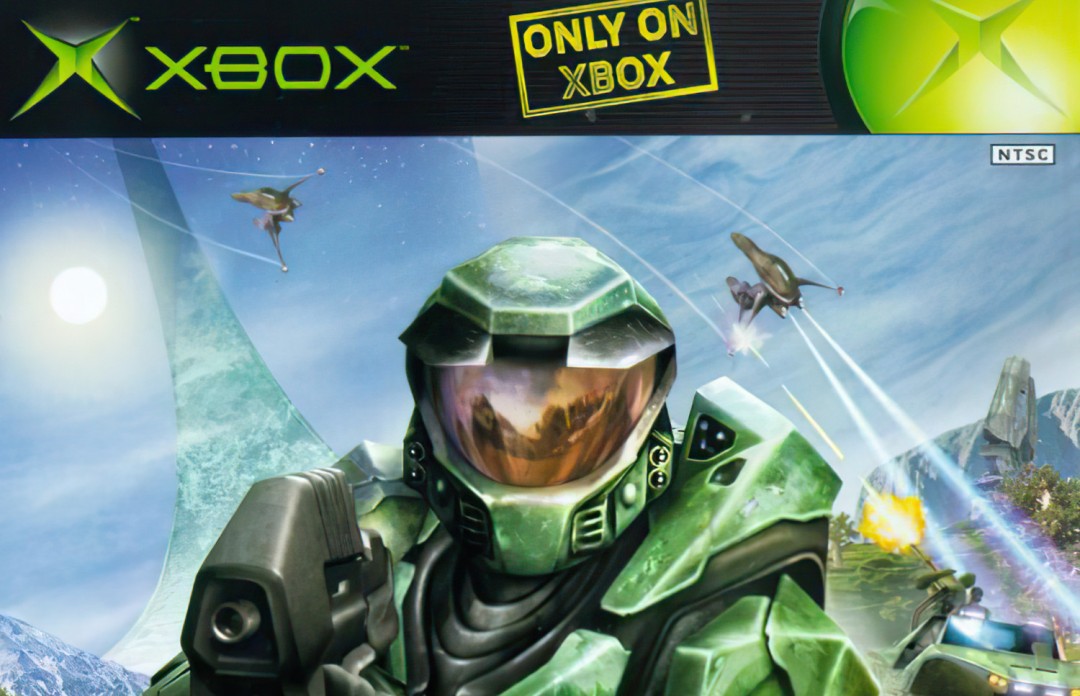
However, there will not be total exclusivity and there will be strict and detailed screening. Not all games are suitable for exclusive use - such as Minecraft or Fallout 76 - but original series with core DNA like Halo may be able to return to Xbox exclusives.
Asha Sharma said: "We are looking at the (exclusivity) issue very carefully and I think we have to carefully consider each work and how we want it to be viewed and learn from similar cases in the industry, and that is what we are doing."
According to Sharma, Microsoft currently operates one of the largest video game businesses in the world, with 20 game franchises generating at least $1 billion in lifetime revenue — some of which, like Call of Duty, even make more money than the Marvel Cinematic Universe.