Blue Origin, the space and rocket company owned by billionaire Jeff Bezos, is planning to raise $10 billion at a pre-money valuation of $130 billion. Investors include hedge fund Coatue Asset Management, Bezos himself and a number of large institutional investors. According to the New York Times, this round of financing will be Blue Origin’s first external fundraising since its establishment. Coatue is expected to invest approximately US$4 billion, Bezos will personally subscribe for US$2 billion, and the remaining funds will be contributed by other investors.
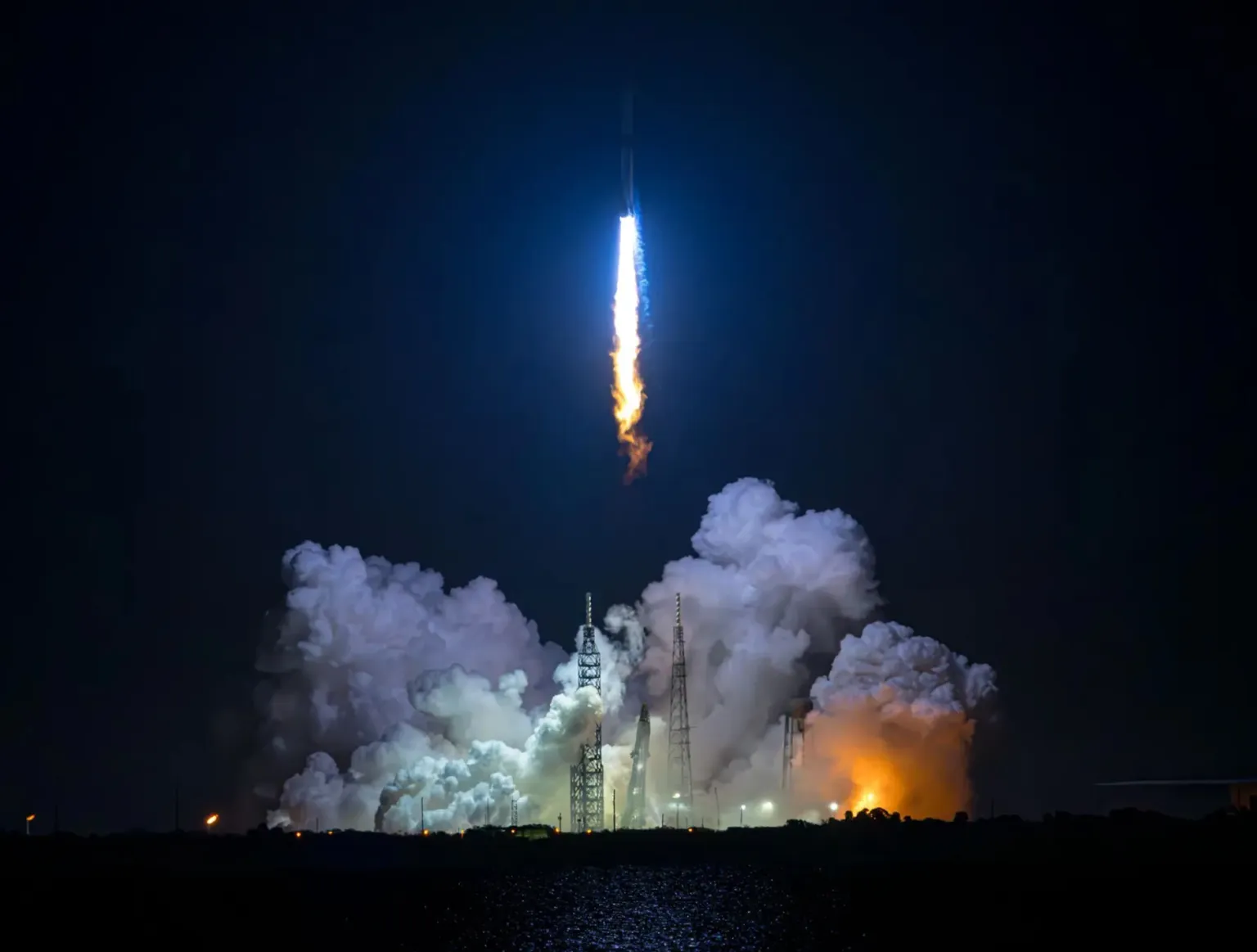
The huge funding comes on the heels of a major technical setback for Blue Origin. In late May, New Glenn, the company's flagship heavy-lift launch vehicle, exploded during a test in Florida in preparation for its fourth launch. As of last week, Blue Origin had not fully identified the cause of the accident, but the company maintained its plans to continue using New Glenn for launch missions later this year. The company must also rebuild its launch site at Cape Canaveral—the only launch facility currently capable of supporting New Glenn and one of the most powerful launch vehicle launch platforms in the world today.
After Blue Origin fully shifts its strategic focus to support NASA's Artemis lunar landing program, restoring New Glenn and entering regular launches has become the company's top priority. At the same time, Blue Origin is also planning a broader space business map, such as planning to build and operate data centers in orbit, taking advantage of the emerging "computing power in the sky" trend to deploy massive computing power to the Earth's orbit.
Part of the financing is expected to be invested in the Terawave satellite internet network project announced by Blue Origin earlier this year. The network plans to provide high-speed data connectivity services to enterprise, government and data center customers through thousands of satellites, with a target data transmission capacity of up to 6TB per second.
Blue Origin’s financing moves come after a critical juncture in space commercialization and high-tech capital markets. Last month, rival SpaceX completed a high-profile initial public offering (IPO). The company, which packages artificial intelligence, data centers and aerospace businesses, raised more than $85 billion in the listing and had a market capitalization of $1.75 trillion, setting a new record for global capital markets. After SpaceX successfully landed in the capital market, Blue Origin’s large-scale fundraising is seen as an important step in strengthening its capital strength, benchmarking its competitors, and accelerating investment in technology and infrastructure.