According to the latest global smartwatch shipment tracking report released by market research organization Counterpoint Research, in the first quarter of 2026, Apple showed absolute dominance in the smartwatch market with Edge AI (edge artificial intelligence) functions, with a shipment share of approximately 90%.
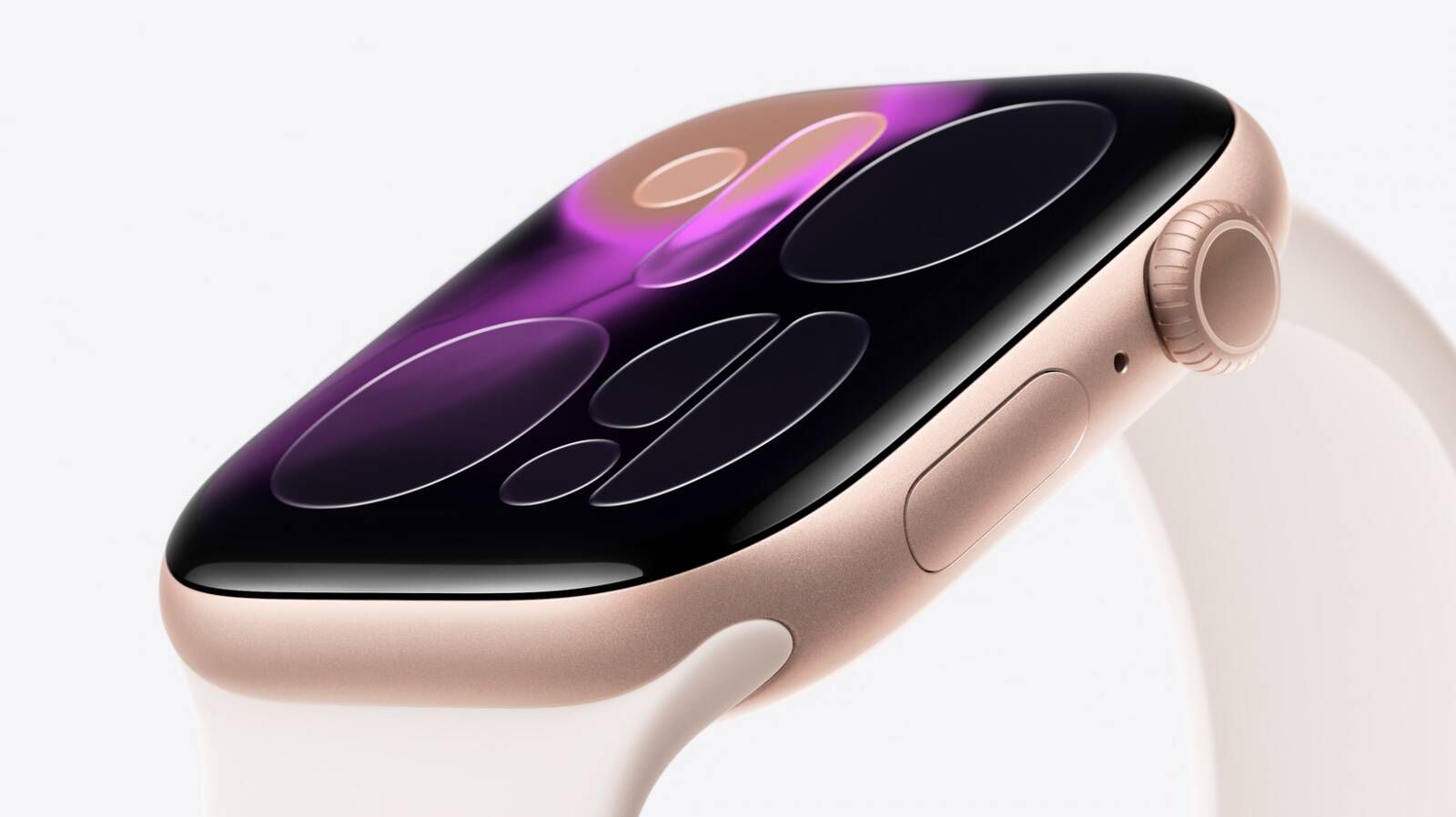
Data shows that the penetration rate of Edge AI technology in the global smart watch market has shown explosive growth, soaring 70% year-on-year in the first quarter, accounting for 25% of the total watches. In this wave of technology popularization, Apple has become the undisputed biggest winner.
The so-called "Edge AI" refers to artificial intelligence technology that runs directly on the device's local chip rather than relying on remote server processing. On Apple Watch, this means that key functions such as identifying irregular heartbeats or detecting falls are processed locally and instantly by its built-in Neural Engine without having to first send the data to a paired iPhone or upload it to the cloud, thus ensuring data privacy while providing faster response times.
Currently, health and fitness monitoring are still the core application scenarios of Edge AI on smart watches. The report points out that thanks to the maturity of related technologies, shipments of devices that support blood pressure monitoring have doubled year-on-year, while shipments of devices with sleep apnea detection capabilities have tripled year-on-year. Major technology brands have now targeted diabetes detection technology as their next competitive target.
Apple's huge advantage in this field stems from its advanced hardware layout. As early as 2023, Apple introduced a 4-core neural network engine specifically for local machine learning in its S9 chip. In contrast, other competitors are lagging behind. Huawei did not launch a device equipped with the Kirin W80 chip until 2025 to locally support its "Celia" voice assistant. Qualcomm plans to join the battle this year through the Snapdragon Wear Elite platform, and Google's rumored self-developed wearable chip based on Tensor has not yet been officially shipped.
In addition to the dedicated NPU (neural network processor) hardware route represented by Apple, software-driven alternatives are also beginning to appear on the market. One example is Ambiq’s Apollo platform, which runs AI inference on vector core chips through Arm’s Helium extensions. Although this approach is still niche compared to Apple's dedicated chip strategy, it is expected to help lower-cost smartwatches realize some Edge AI functions in the future.
For the definition of Edge AI smart watches, Counterpoint has set strict standards, that is, the device must not only have a built-in neural network engine or NPU hardware, but also must truly implement the inference calculation of the local chip in health, safety or interactive functions, not just a stack of hardware.