It has been 30 years since the birth of the world's first somatic cell cloned mammal, Dolly the Sheep. Her appearance back then triggered people's endless reveries about the sci-fi future, as if the era of cloning pets, cloning humans, and even resurrecting prehistoric creatures such as mammoths was close at hand. However, thirty years later, the actual development of cloning technology is far more complicated than originally imagined. Rather than being a simple "copy-and-paste" approach to life, today's cloning technology has evolved into one of many biotechnological tools used primarily to help scientists understand disease, support species conservation, and develop new ways to intervene in life.
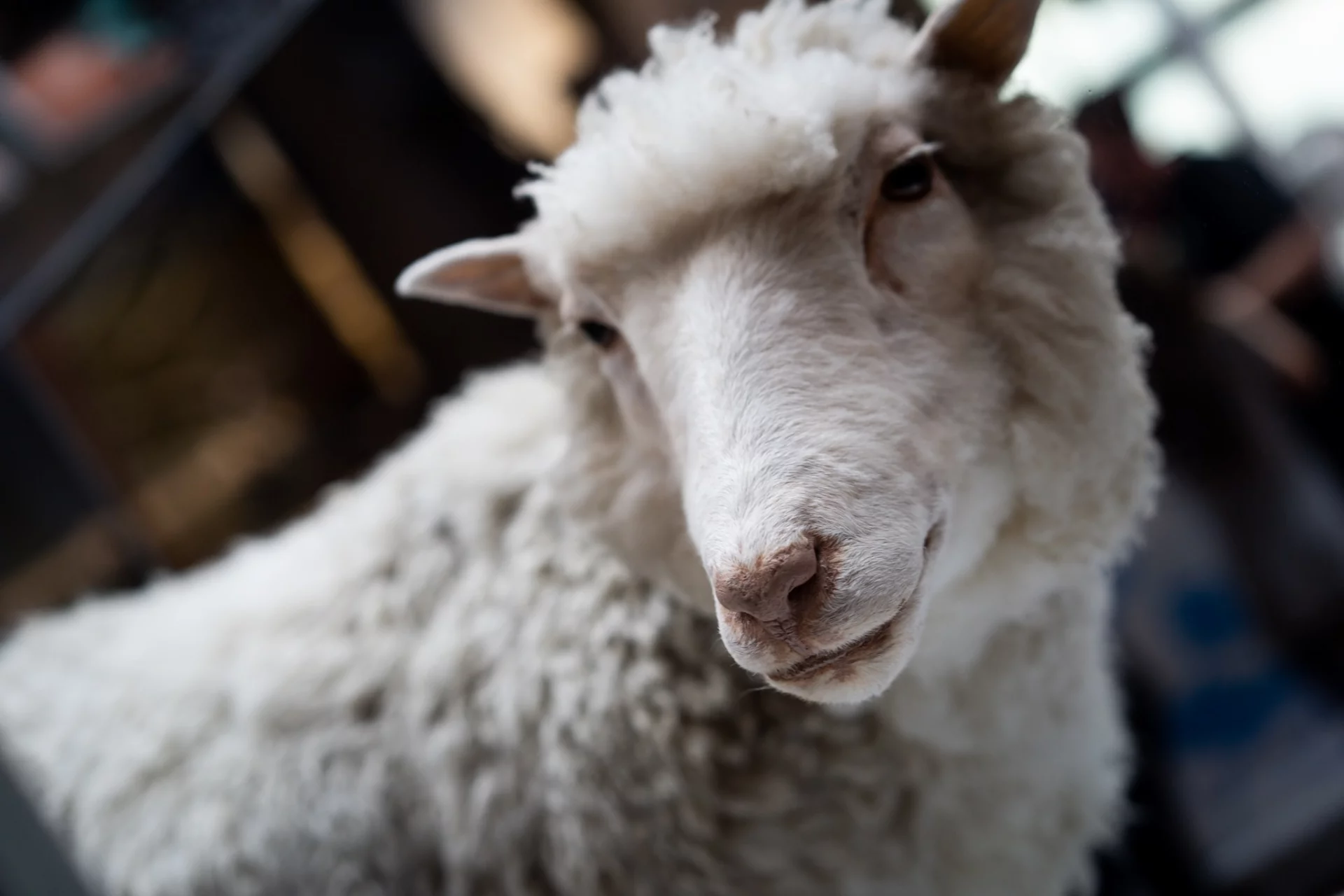
Currently, most animal cloning uses somatic cell nuclear transfer. Taking Dolly as an example, scientists extracted the nucleus containing DNA from the mammary gland cells of the donor animal, implanted it into the egg cell of another animal whose nucleus had been removed, and used electric pulses to cause the two to fuse and develop into an embryo, and finally implanted into the uterus of the surrogate animal. Despite advances in technology, mammalian cloning remains inefficient and costly, and still requires extremely specialized equipment. For example, it took 277 attempts to breed Dolly the sheep. The biggest challenge facing cloning is not copying DNA, but "epigenetic reprogramming" - how to convince highly specialized adult cells to "forget" their original functions and behave like newly fertilized embryos. This reset is often incomplete, resulting in many cloned embryos failing to develop properly. However, this research also led to another major breakthrough: scientists discovered that adult cells can be reprogrammed into "induced pluripotent stem cells", which behave like embryonic stem cells, thus playing a huge role in disease research, drug testing and regenerative medicine.
In the field of practical applications, cloning technology is currently used in the animal husbandry industry to breed livestock with excellent genes, high yields or disease resistance. However, it does not replace traditional breeding methods, but serves as a means of replicating excellent individuals. In addition, there are precedents in the horse racing industry for cloning horses to participate in international events. At the same time, commercial pet cloning services have also emerged in China and the United States. For example, Broadway star Barbra Streisand had her pet dog cloned. However, it is worth noting that cloned animals only share DNA with the original individual and do not inherit memories or experiences, so their personalities are often different. In terms of medical research, Chinese researchers successfully cloned a rhesus monkey with a similar physiological structure to humans in 2024 in order to speed up drug testing. However, due to the low success rate and lack of direct real-world applications, this move has triggered ethical concerns among animal welfare advocates. In terms of more promising endangered species protection, in 2020 scientists successfully cloned a black-footed ferret using genetic material preserved decades ago, aiming to increase genetic diversity for the species.
As for the topic of "resurrecting extinct animals" that has attracted widespread public attention, the reality in the scientific community is much grimmer. True cloning requires a complete genome, suitable egg cells, and a closely related surrogate species. In the case of mammoths, which became extinct thousands of years ago, true cloning is impossible because their ancient DNA is often destroyed. As a result, researchers are turning to "de-extinction" methods, which combine ancient DNA with gene-editing technologies such as CRISPR to try to modify the genes of living relatives, such as elephants, to introduce certain characteristics of extinct species. Scientists also warn that restoring certain characteristics does not mean restoring the ecological role of extinct species, because the complex ecosystems they once lived in may no longer exist, and overproduction of genetically similar animals can increase their vulnerability to disease.
Finally, in terms of human cloning, due to the extremely high failure rate and unacceptable safety risks to embryos, surrogate mothers and babies, as well as major ethical issues involving identity, informed consent, and the exploitation of human tissue and reproductive technology, reproductive human cloning remains an absolute no-go zone in academia and law, and is strictly prohibited in many countries, including Australia. Looking back on the thirty years since Dolly the Sheep was born, the knowledge we have gained from cloning technology has undoubtedly advanced the development of disease research, agriculture and ecological conservation. But cloning technology itself remains fraught with challenges and continues to raise profound questions about safety, regulation and whether certain applications of the technology should proceed.