Samsung Electronics is restructuring its U.S. consumer electronics business, laying off hundreds of U.S. employees as the business moves its headquarters from New Jersey to Texas. While the artificial intelligence boom has driven Samsung's semiconductor business to record profits, its mobile phone, TV and home appliance units have faced severe pressure from rising chip prices.
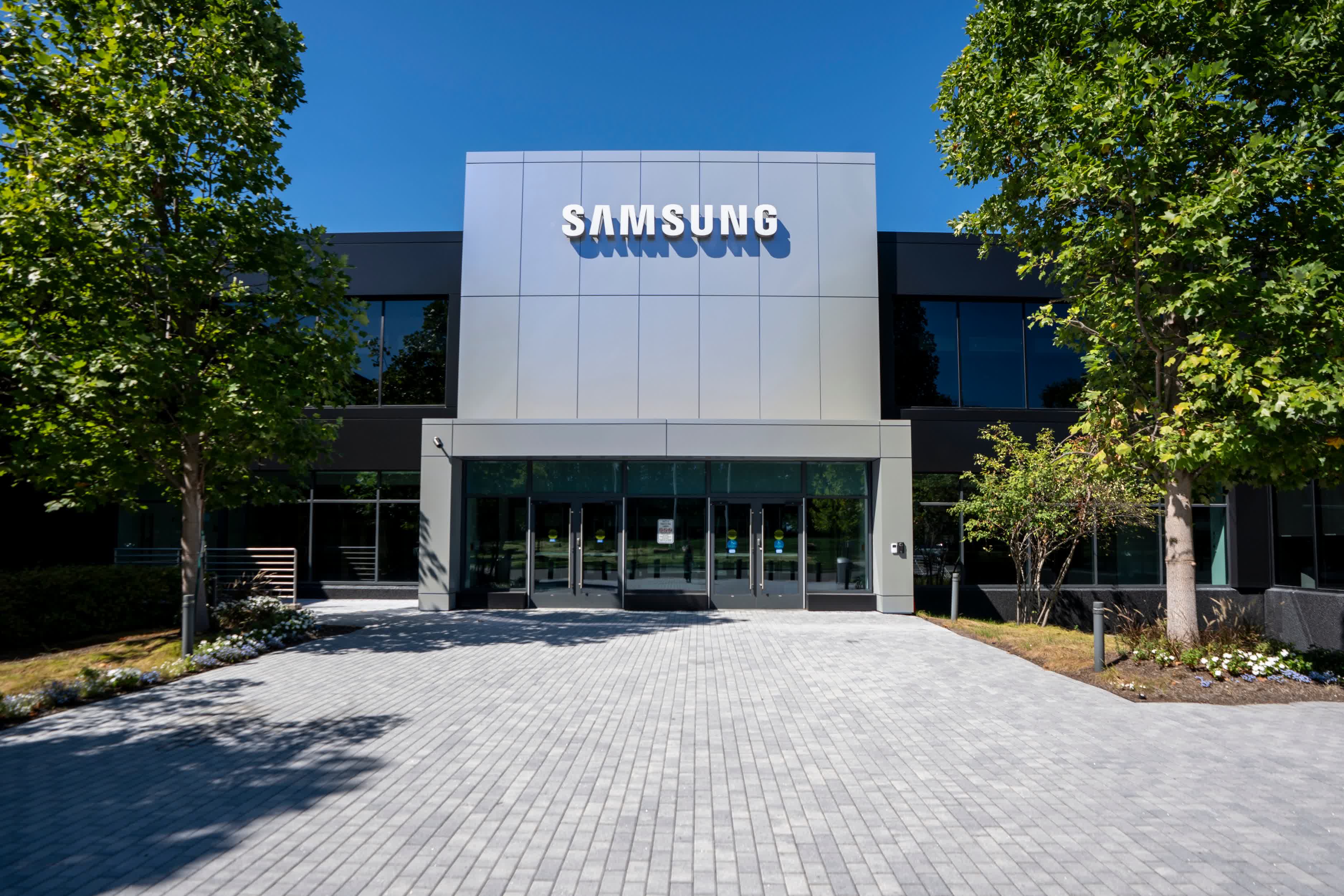
Samsung Electronics America said the headquarters move affects 739 positions at its Englewood Cliffs, New Jersey, office. While the company has offered most affected employees the opportunity to work in Texas, some are still facing layoffs. In addition, Samsung is reportedly laying off about 100 employees at its site in Plano, Texas, including those from the mobile division. Data shows that the affected positions in New Jersey account for more than 60% of the total number of local employees in the state. Internal documents show the layoffs are part of a company-wide downsizing.
Notably, Samsung Electronics moved into its Englewood Cliffs, New Jersey, office only last September, after the facility replaced the Ridgefield Park headquarters it had occupied since 1992. Regarding this migration, Samsung said it was to integrate teams, improve collaboration efficiency, and align positions with the company's strategic focus, and emphasized that there is currently no extensive global restructuring plan for the consumer products business. However, there is still concern among employees that there may be further layoffs or consolidation involving the appliances, home entertainment and mobile divisions.
This layoff dynamic reveals the increasingly contradictory operating situation within Samsung. Its memory chip business is benefiting greatly from the strong demand in the artificial intelligence market. It is expected that operating profit in the second quarter of this year will reach 89.4 trillion won, approximately US$58.4 billion, a significant year-on-year increase. However, chip shortages and price increases, also driven by artificial intelligence, have instead pushed up the production costs of electronic products such as mobile phones. Despite strong sales of the Galaxy S26 series, Samsung's mobile division may still face its first loss in history. Coupled with fierce competition from Apple and Chinese brands in the mobile phone and TV markets, the company is facing many tests. Samsung had 11,770 employees in the United States as of the end of 2025, and its semiconductor business already has large-scale production facilities in Austin and Tyler, Texas.