A new study published in the journal Nature Communications by a research team led by Professor Shin Sugiyama of Hokkaido University shows that by drilling deep into the glacier in East Antarctica, researchers have obtained direct evidence for the first time that surface meltwater can reach the bottom of the glacier, reduce friction and accelerate its sliding towards the ocean.
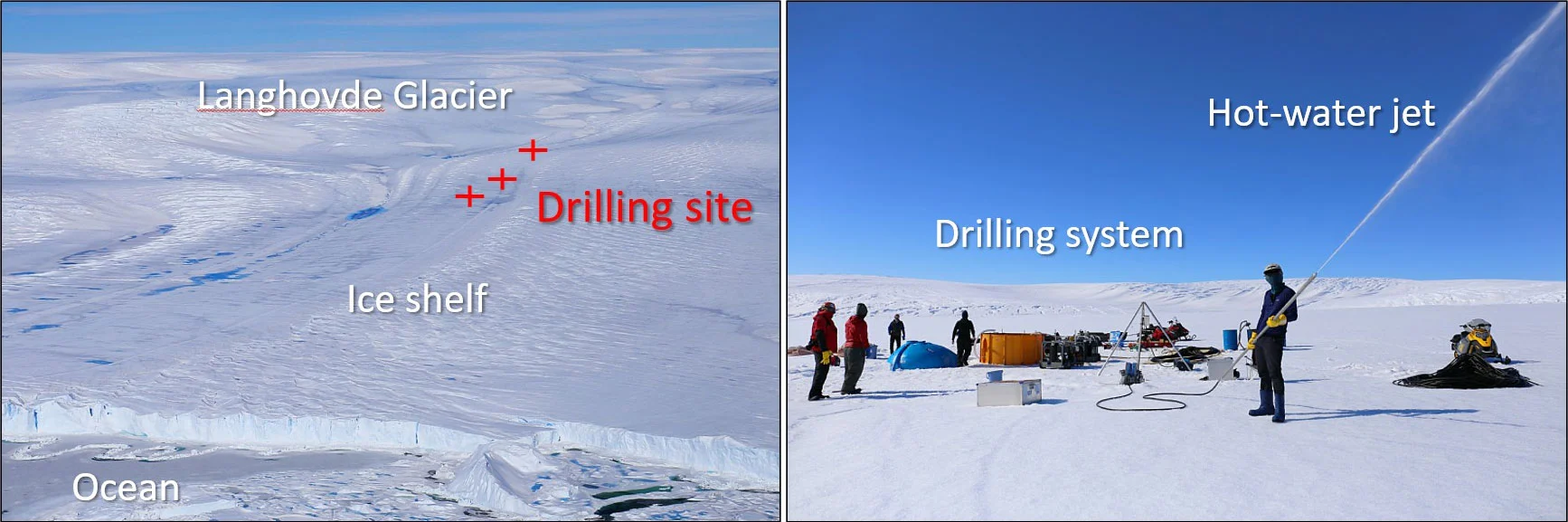
Researchers used hot water drills to drill multiple boreholes to a depth of more than 550 meters in the Langhovde Glacier in East Antarctica, and lowered cameras and pressure sensors to the bottom of the glacier, allowing them to peer into the subglacial world that satellites cannot observe from the air. Measurements show that beneath half a kilometer of ice, water pressure is high enough to support nearly all the weight of the ice above.
Research shows that water collected in surface lakes and ponds flows through fissures all the way to the base of the glacier. This path is created through hydraulic fracturing, where the weight of accumulated meltwater forces cracks deeper into the ice and opens channels for water to fall. When the water reaches the base of the glacier, it increases subglacial water pressure and lifts the glacier slightly from the bedrock below. This high-pressure water reduces friction between the ice and bedrock, causing the glacier to slide toward the ocean faster.
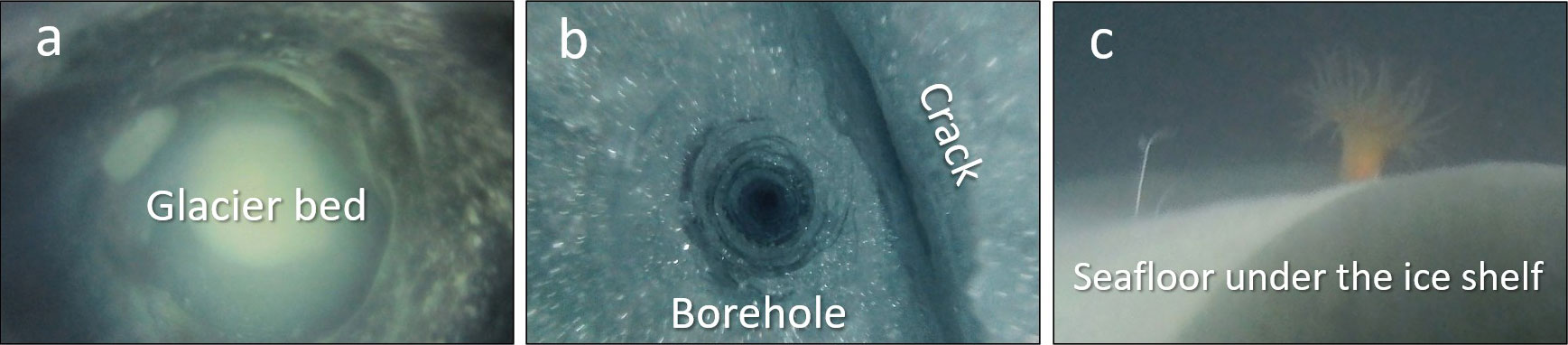
Professor Sugiyama pointed out that after a period of intense surface melting and a rare rainfall event in January 2022, the meltwater surged the pressure at the base of the glacier, enough to support 97% of the weight of the ice above. As the glacier rises slightly and friction decreases, its sliding speed on the bed increases by 10% to 20%. Similar phenomena have previously been documented in glaciers in Europe, Alaska and Greenland, but in Antarctica the process has been in doubt because direct measurements have never been made under the ice.
In addition, the borehole camera accidentally recorded a sea anemone and several thin-stemmed sponges attached to boulders in a seawater layer only 3 meters thick, covered by 474 meters of ice. The discovery reveals an unexpected and hidden ecosystem beneath the ice. Researchers warn that the Antarctic ice sheet is currently in an overall state of loss as the amount of ice discharged into the ocean exceeds the amount of snowfall inland. As the amount of meltwater increases due to climate warming, ice loss is expected to further intensify in the future, which will have a more urgent impact on societies and people living in low-altitude areas.