According to the latest report released by Bloomberg New Energy Finance, driven by the surge in demand for artificial intelligence computing power, it is expected that by 2035, the power consumption of U.S. data centers will reach four times the current level, accounting for one-fifth of the total power generation in the United States.
The report predicts that in the next ten years, data center capacity will approach 200 gigawatts, nearly half of which will be dedicated to model training and inference, and most of it will be concentrated in the United States. By 2033, based on power demand, the United States will host 64% of the world's AI chips.
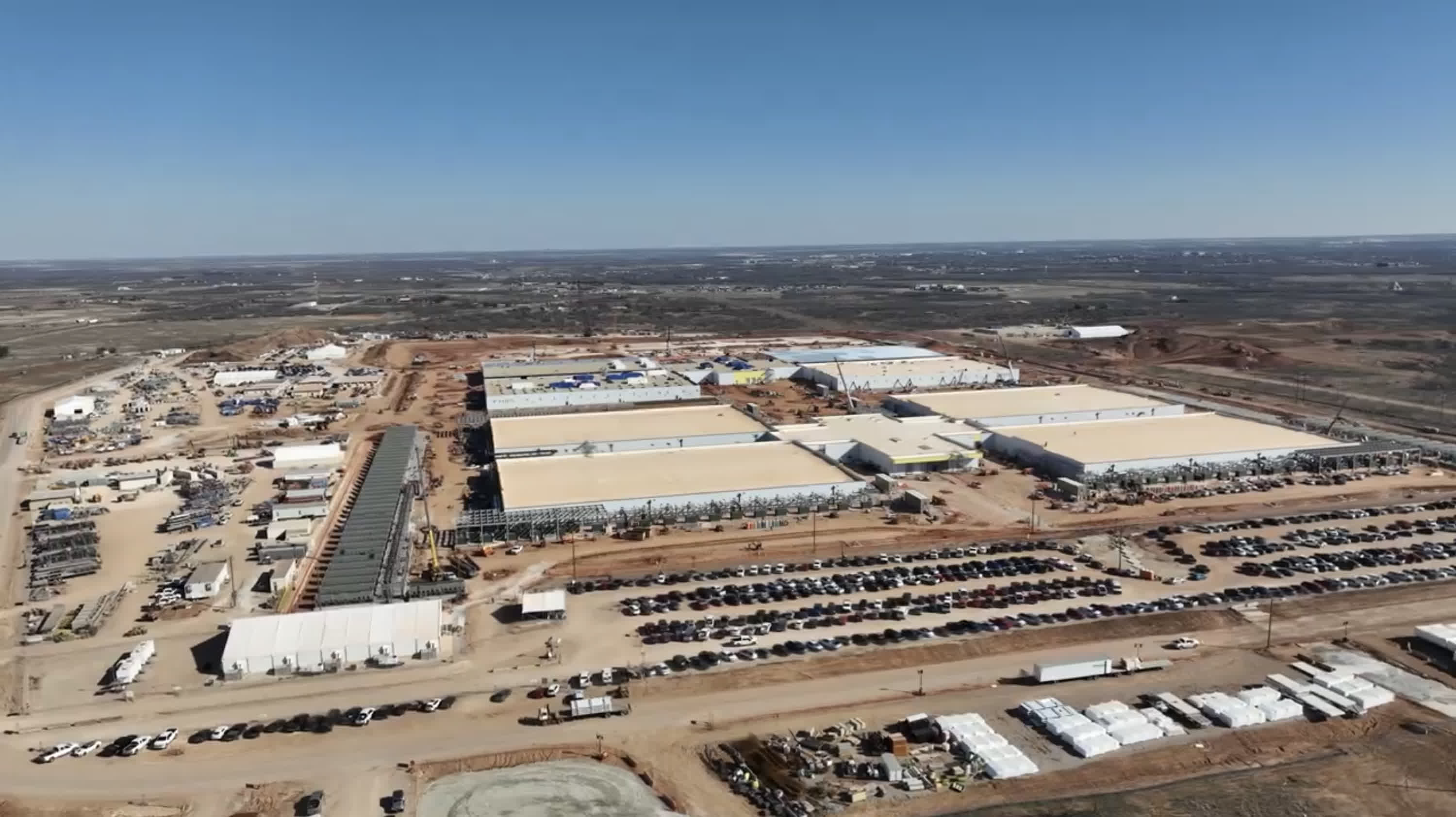
These figures may even be conservative based on past forecasting experience. Bloomberg New Energy Finance’s latest estimate of electricity demand in 2035 is 83% higher than the forecast it made in December last year. At the same time, many other institutions have also raised their forecasts. Electrical industry nonprofit EPRI more than doubled its 2024 forecast, and S&P's forecast increased by more than a third between October and April. The upgrades fully reflect the frenetic pace of data center construction across the United States.
Over the next decade, most new data centers are expected to be connected to an already overburdened power grid. The PJM interconnection, which spans Virginia to Illinois, will deliver 34% of its power to data centers, while ERCOT, which covers most of Texas, will be required to allocate 22% of its generation capacity to data centers.
As a power grid that carries a large number of data centers in the United States, PJM has been struggling to cope with connection applications from large generating units and large loads. It even suspended the acceptance of new power supplies for four years, leaving it in a precarious situation against the backdrop of continued growth in demand. Although PJM reopened queues for new power generation sources in April this year, the imbalance between supply and demand remains so severe that U.S. power companies have even threatened to withdraw from the interconnected grid. The imbalance between supply and demand has pushed local electricity prices up 76% in the past year.
Even in the face of grid congestion, data centers are still vying to connect to the PJM grid. In a recent capacity auction by grid managers, data centers accounted for 38% of related costs. Although the United States accounts for the majority of global AI computing power, data centers continue to grow in other parts of the world.
If AI applications continue on their aggressive development trajectory, global data centers will generate 1,935 terawatt hours of new electricity demand by 2033, a scale that is almost equivalent to India’s national electricity consumption in a year.
Related articles:
The construction boom of AI data centers in the United States has squeezed out agricultural resources, triggering strong concerns and protests from farmers and herdsmen in many places.