Microsoft has finally begun replacing the Windows File Explorer properties dialog box that has been in use since the Windows 95 era. Microsoft has introduced a new property panel in the latest preview system, which not only completely bids farewell to the old Win32 architecture, but also perfectly supports dark mode for the first time.
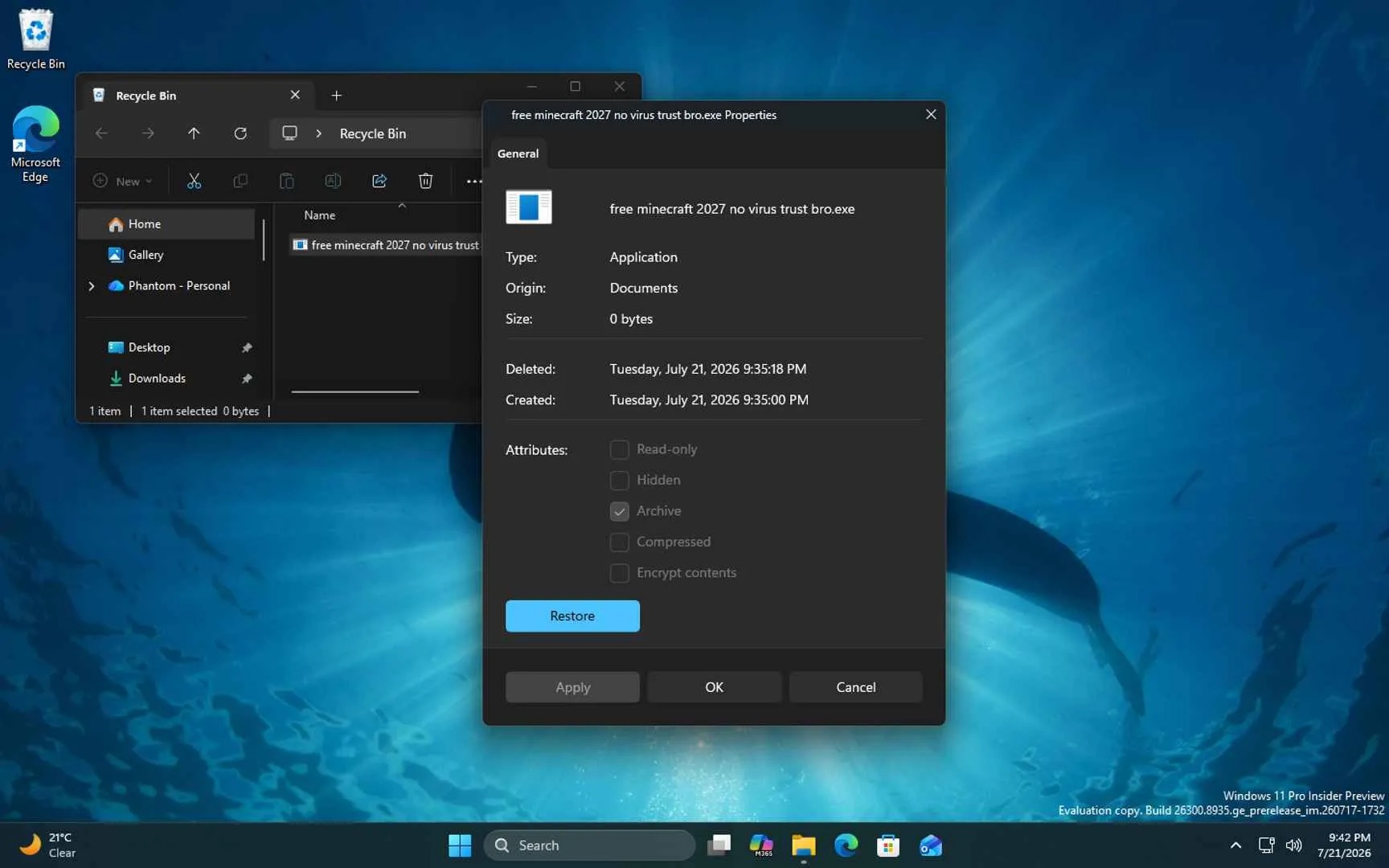
For a long time, the property dialog box in Windows systems has relied on the Win32 property page API based on comctl32.dll. Although the appearance has been fine-tuned many times over the past few decades, the underlying code has remained basically unchanged. The new design exposed in the Microsoft preview version shows that the new dialog box is completely built on the native WinUI 3 framework, does not use any WebView2 shell, and maintains a high degree of unity in interface elements.
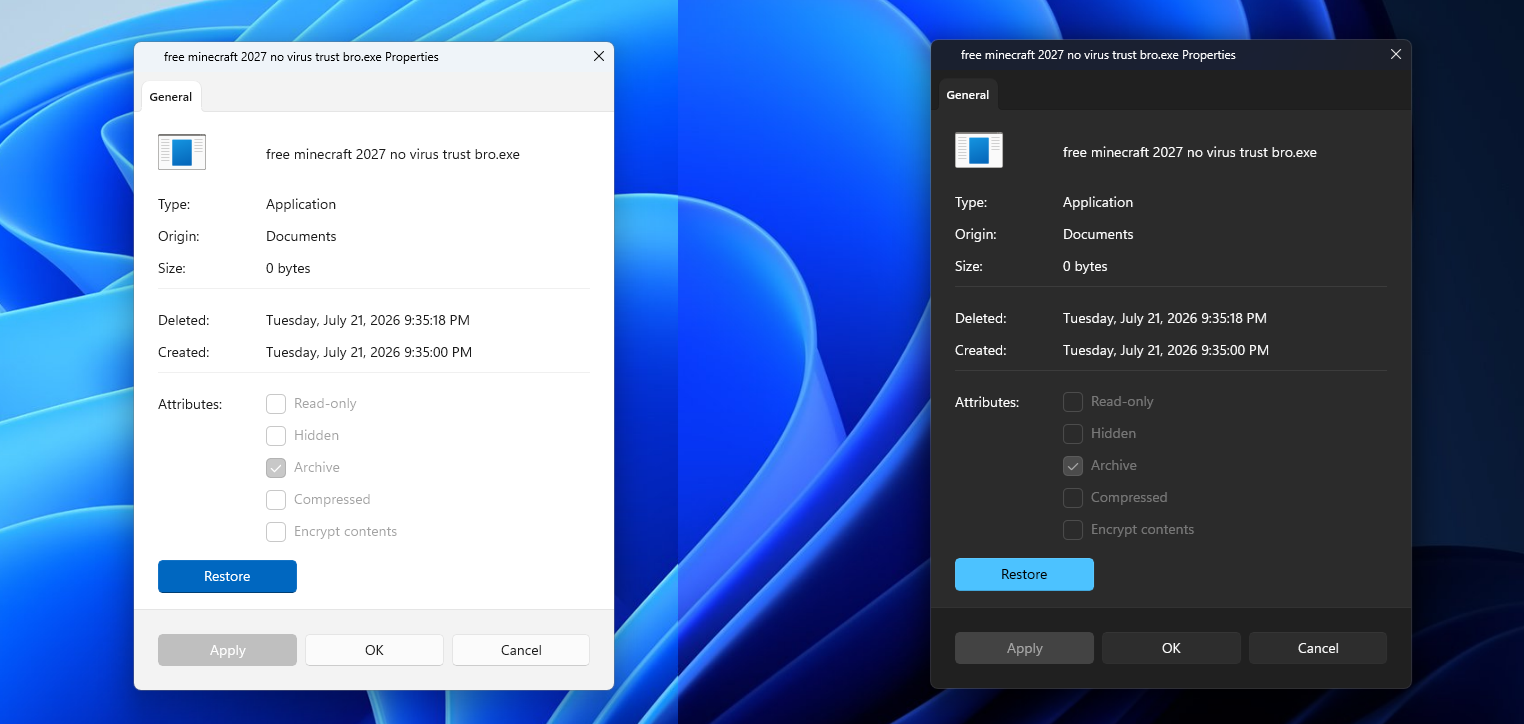
Judging from the exposed details, the regular tabs of the new interface adopt WinUI 3’s unique Pivot style header and emphasis indicator, and are equipped with new check boxes and AccentButtonStyle reset buttons that comply with modern design specifications. However, completely abandoning the classic property dialog box that has been used for nearly 30 years also faces considerable technical challenges.
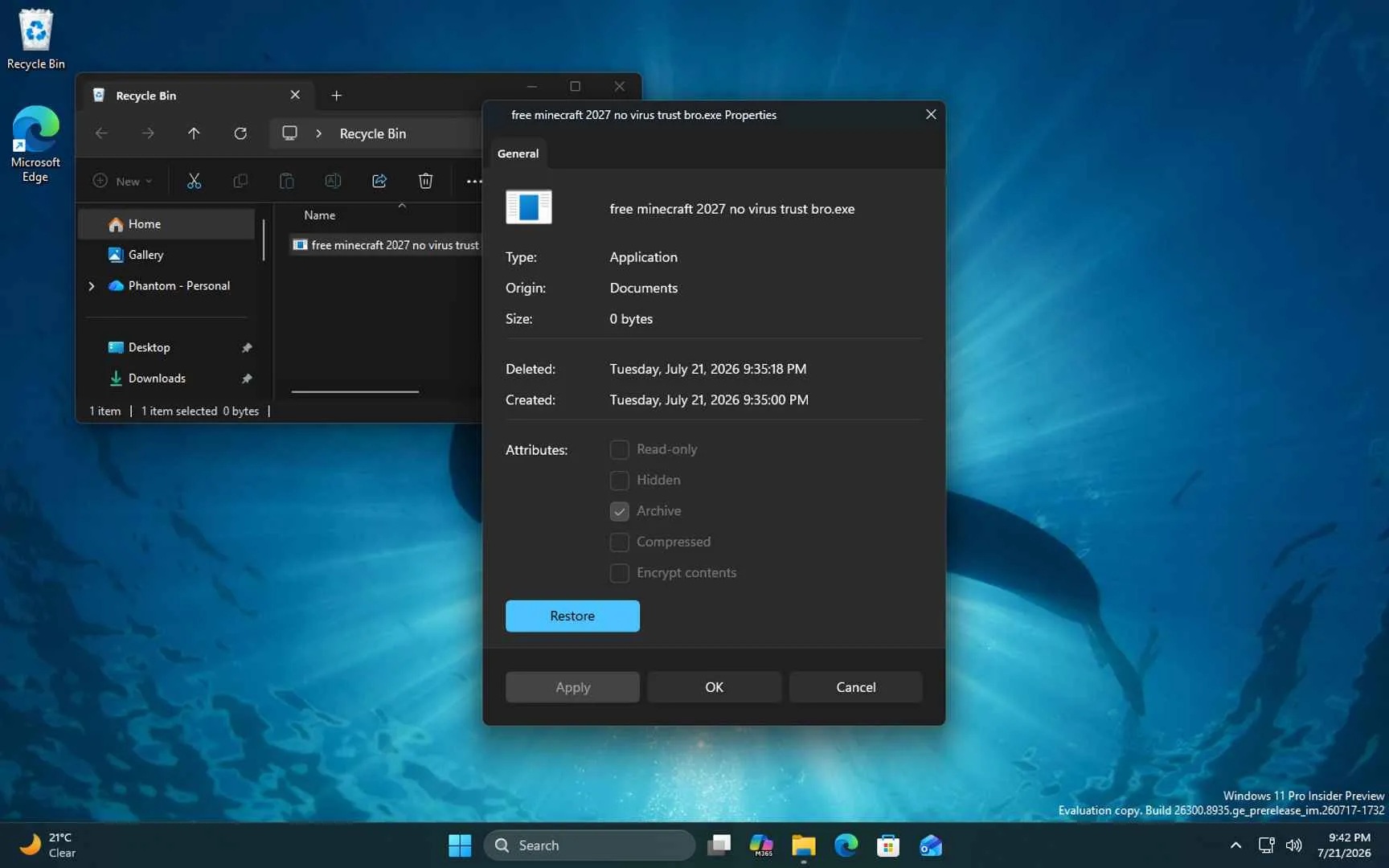
Since Windows needs to maintain strong backward compatibility, many third-party applications such as 7-Zip, various anti-virus software and decoding packages have long injected HWND-based custom tabs into the properties dialog box through the IShellPropSheetExt interface. To prevent these extensions and third-party features from becoming ineffective under the new architecture, Microsoft must build a proper bridge path to embed this legacy content.
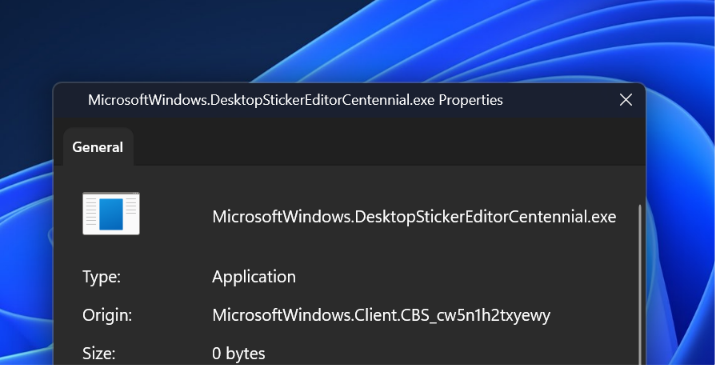
Since the WinUI 3 surface may bring certain cold start costs when loading and running, Microsoft is still continuing to optimize and polish the design plan, which also explains why this modern UI upgrade is progressing more slowly than expected.