According to various sources, Apple will be the first to launch three high-end flagship models in the fall of 2026, namely iPhone 18 Pro, iPhone 18 Pro Max and the highly anticipated folding screen model iPhone Ultra.The standard version of the iPhone 18, which is positioned to be more user-friendly and geared toward the mainstream market, will be postponed to the spring of 2027, resulting in a mismatched layout of high-end models being blocked in the fall and mainstream models being supplemented in the spring.

This news has been further confirmed recently. Blogger Fixed Focus Digital revealed that Apple has prioritized most parts orders for the higher-priced Pro series, further indicating that the iPhone 18 standard version will not be released simultaneously this fall.Judging from the supply chain production schedule, the Pro series is obviously Apple’s current priority.
There is a clear business logic behind this decision. The iPhone Pro series plays a core role in Apple's high-end market positioning and brand premium, and is also the most profitable product line.
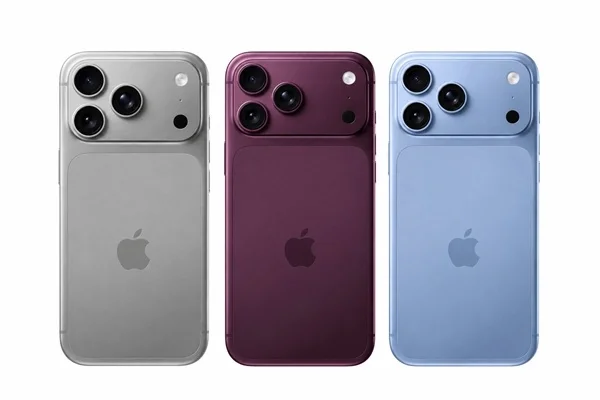
The iPhone 18 Pro and Pro Max will be the first models to be equipped with TSMC's 2nm process A20 Pro chip. The cost of the chip has increased significantly. The price of core components such as superimposed memory continues to rise. The material cost of the Pro series has reached a record high. Against this background, concentrating resources to ensure on-time mass production and stable supply of the Pro series is the best choice to protect the company's revenue and profits.
As for the standard version model, if it is forced to be released on time, Apple will face a dilemma in the face of high material costs. Either the selling price will be significantly increased, thereby weakening the market competitiveness of the product; or the profit margin will be compressed, which will directly affect the financial performance.
Delaying the release gives Apple valuable buffer time to wait for cost fluctuations to slow down, seek a better supply chain solution, and make reasonable pricing decisions after a more complete market assessment.
In addition, releasing the standard version in the spring of the following year can effectively fill the market gap after the release of the iPhone and maintain product popularity and brand reputation. This peak-shifting strategy not only balances cost pressure but also takes into account market rhythm, and is a more pragmatic long-term layout.