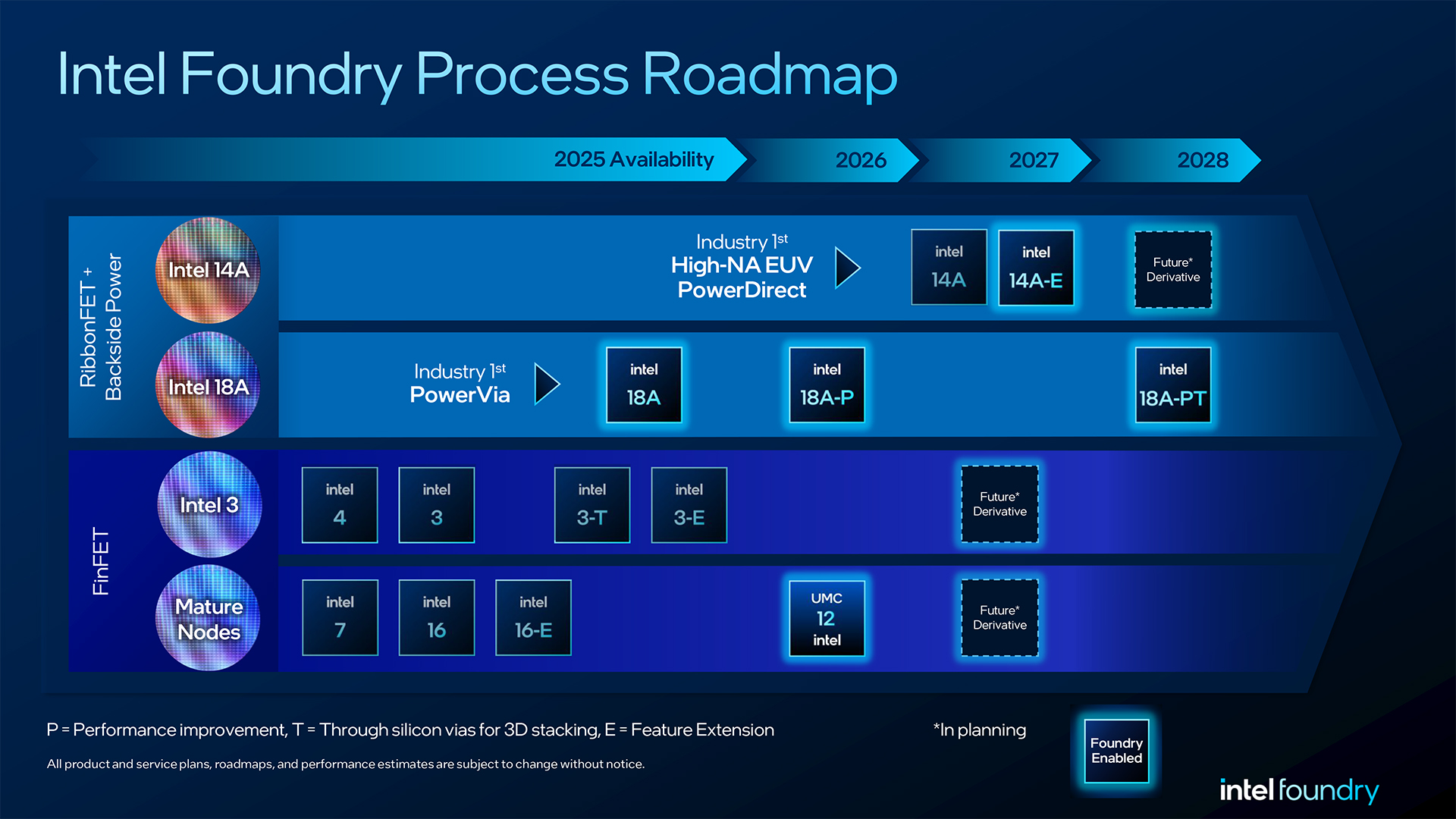
In its latest financial report and performance briefing, Intel officially confirmed that the development progress of its much-anticipated 14A chip process has exceeded expectations. The company's CEO Lip-Bu Tan said that based on the current positive feedback from internal product testing and external customer negotiations,Intel has officially adjusted its schedule and decided to advance the originally planned production process: the 14A node will be the first to start risk mass production on Intel's internal products in the second half of 2027, and plans to fully enter high-scale mass production (HVM) in 2028.
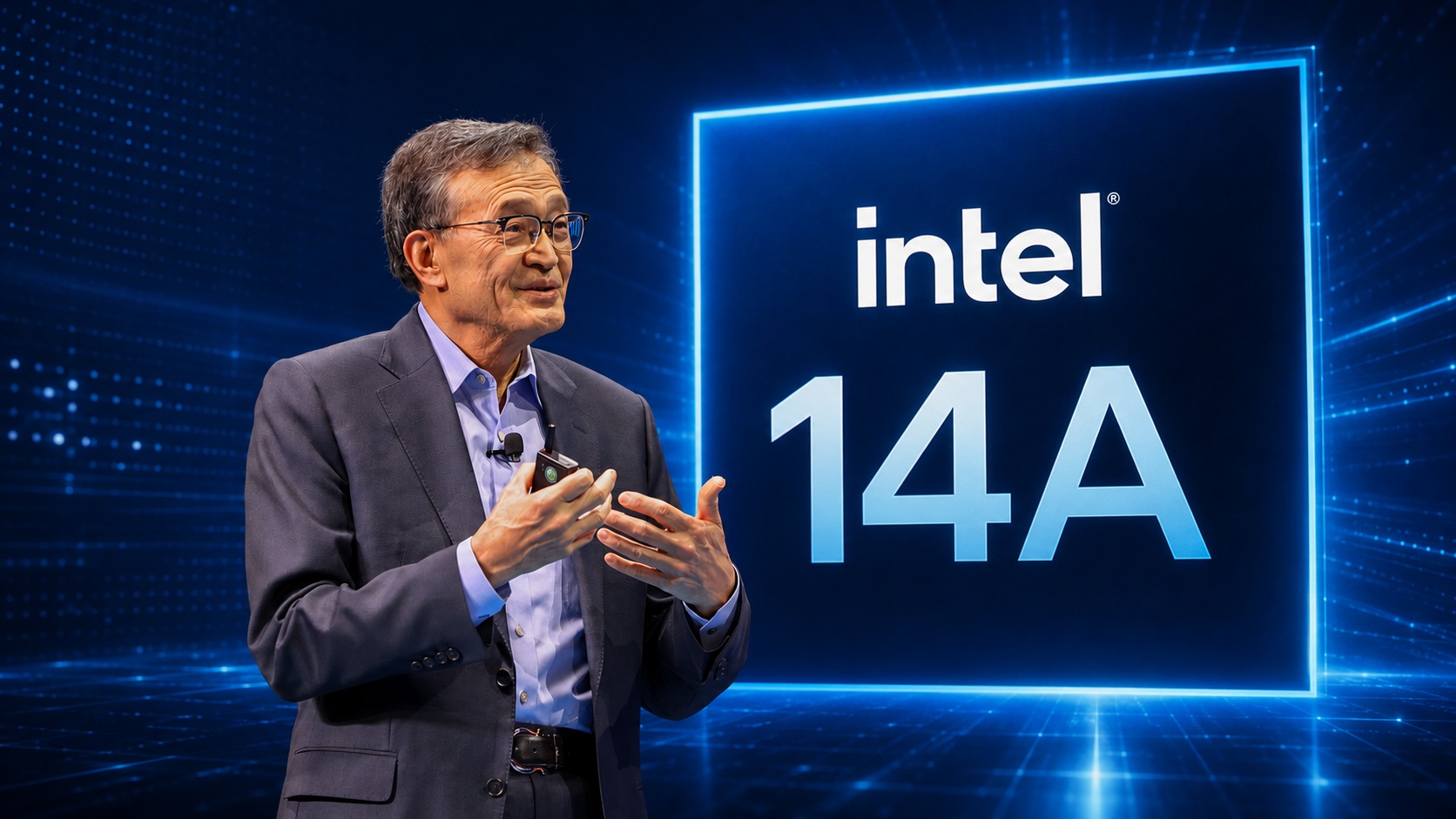
As the future core competency of Intel's wafer foundry business (Intel Foundry), the 14A process has performed well in two key indicators: defect density and transistor performance, and the progress has surpassed the previous 18A node. Currently, Intel has distributed the PDK 0.5 version of the 14A process to its partners, and is expected to launch the PDK 0.9 version as scheduled in October this year to continue to improve the related IP portfolio layout. At the same time, the production capacity of Intel's existing mature and advanced processes such as Intel 7, Intel 3 and Intel 18A exceeded the scheduled target in the second quarter. The increase in the production of the 18A node will further help the successful introduction of subsequent key products such as Panther Lake (Core Ultra 3rd generation) and Wildcat Lake (Core 3rd generation) to the market.
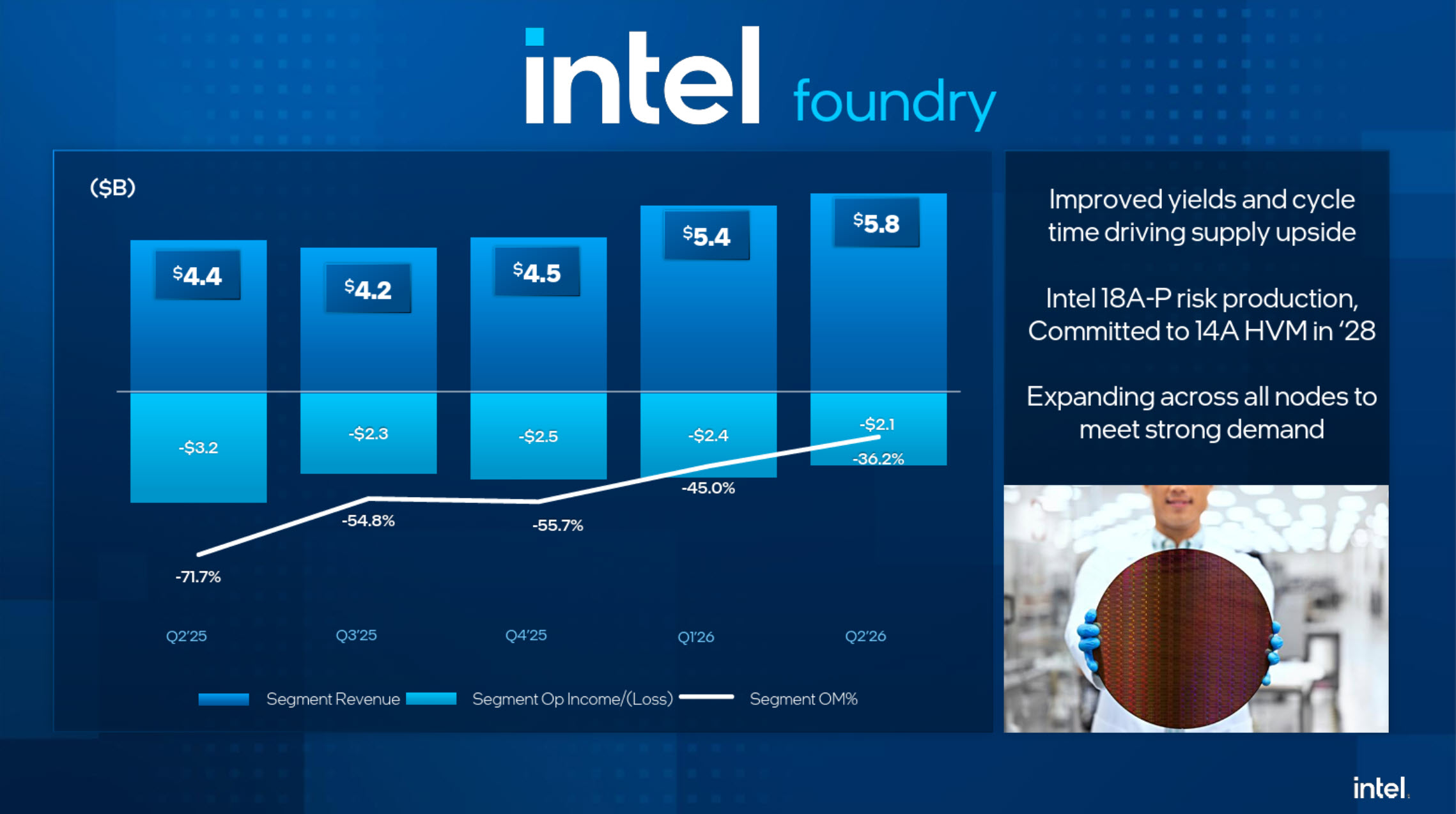
Chen Liwu pointed out that Intel is confident in the comprehensive competitiveness of the 14A process in terms of power consumption, performance, transistor density, cost and delivery cycle. Although the details of cooperation with many external large customers are still confidential, the early market demand for the 14A node is very strong. Intel chose to take the lead in promoting risk mass production on its own internal products, which will not only fully verify and demonstrate the strong potential of the process, but will also lay a solid foundation for subsequent comprehensive adoption by external customers.