
Abstract:
The China University of Geosciences (Beijing) research team recently discovered through non-destructive chemical analysis of penguin fossils from Seymour Island near the Antarctic Peninsula that these ancient skeletons, which are about 55 million years old, not only preserve the remains of the penguins themselves, but also record clues of the Antarctic transition from a warm and humid environment to a colder climate.
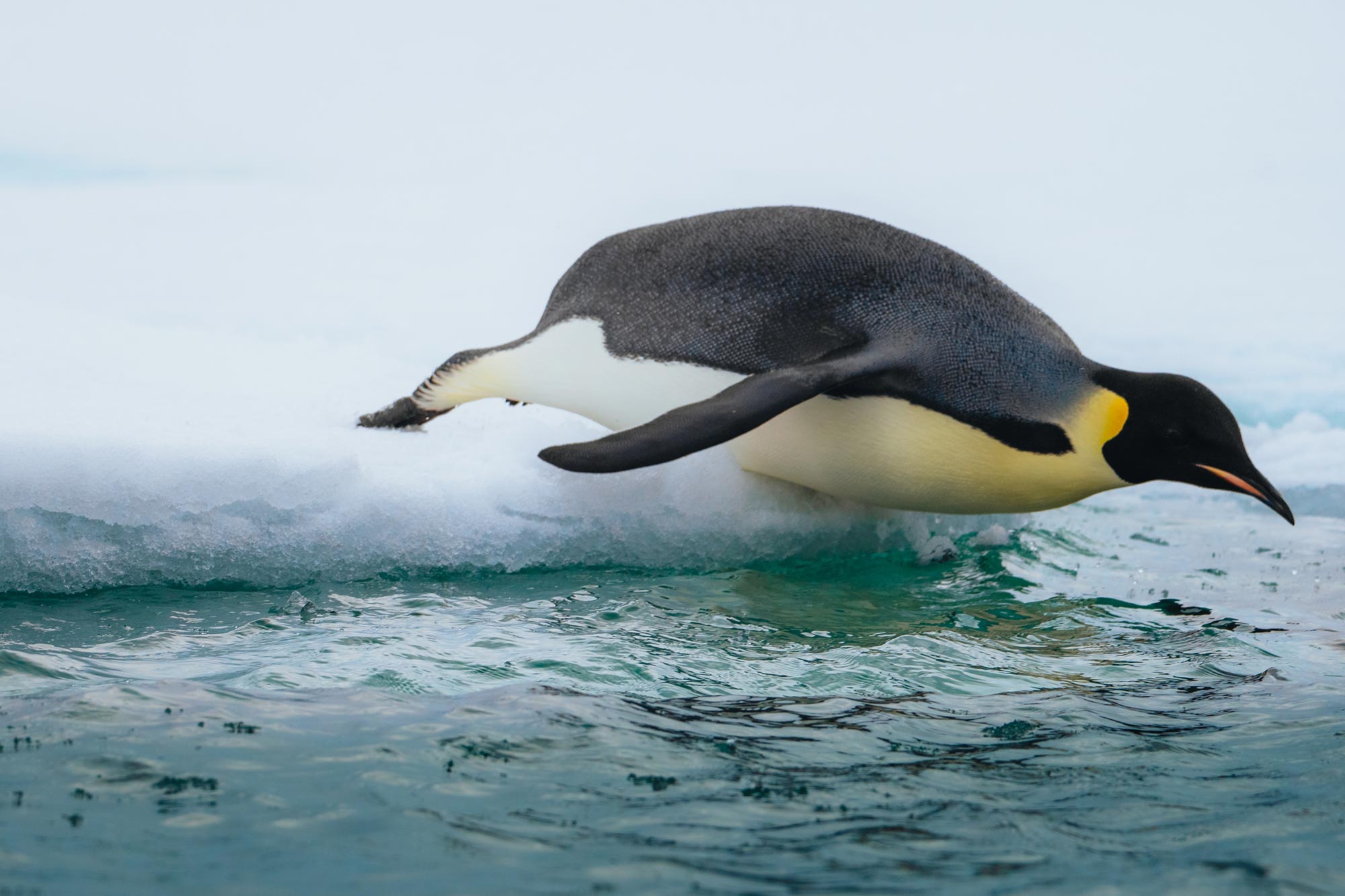
Penguins are one of the most iconic animals in Antarctica. They completely lost the ability to fly during evolution, and their wings gradually transformed into flippers suitable for swimming. Seymour Island has the world's richest and most stratigraphically continuous Eocene penguin fossil record, covering an important stage of Antarctic climate evolution: from a relatively warm and humid environment in the early Eocene to a cooler climate in the middle and late Eocene.
Because fossils are extremely rare, researchers used micro-area X-ray fluorescence scanning technology to conduct non-destructive element distribution mapping on the samples. This method can identify the spatial distribution of different chemical elements on the bone surface, thereby avoiding damaging the fossil during the study process.
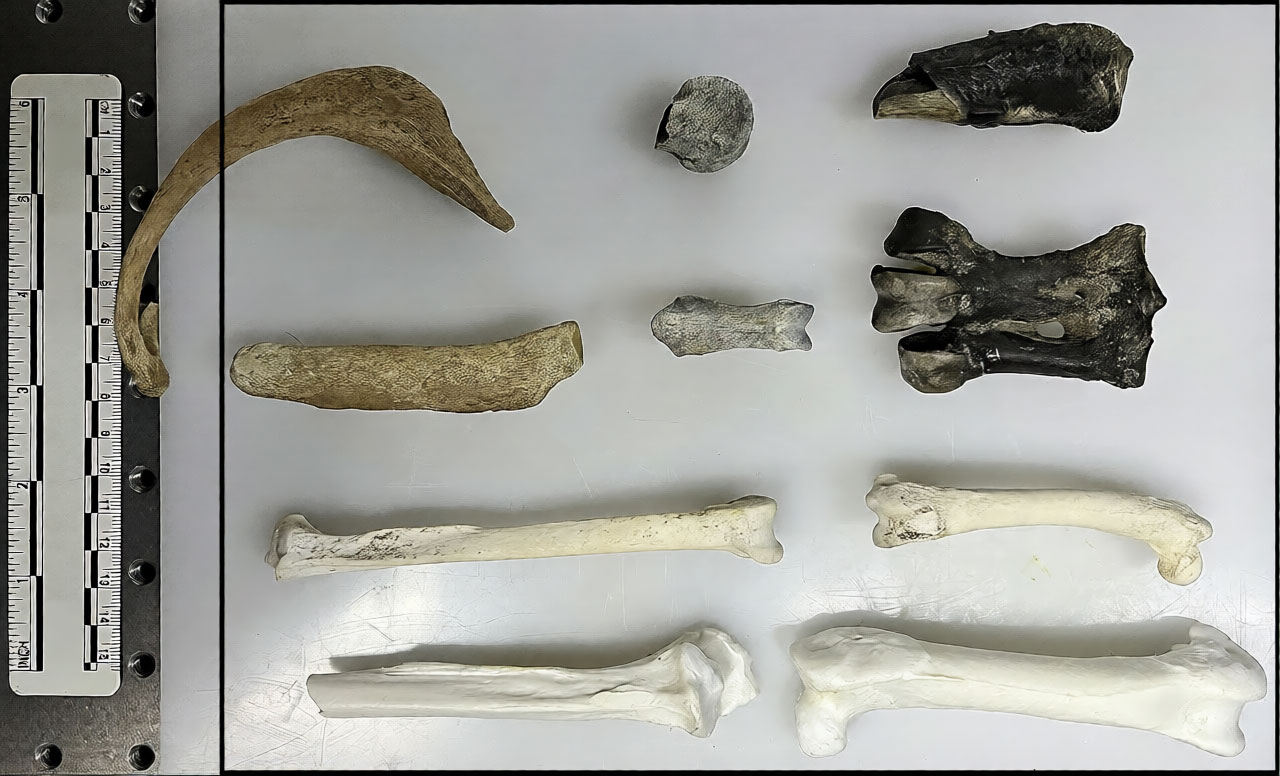
The results show that the signals of titanium, silicon and potassium elements in penguin fossils formed about 55 million years ago, that is, in the early Eocene Epoch, are significantly stronger. The research team combined stratigraphy, sedimentology and paleoclimate evidence to judge that these higher element signals were consistent with more intense continental weathering and more terrestrial material input at that time, reflecting more active material circulation in Antarctica under a warm and humid climate. In contrast, the signals from these elements are significantly weaker in fossils from later, cooler environments.
The researchers pointed out that the most surprising finding was the significant enhancement of titanium, silicon and potassium signals in early Eocene samples. This feature indicates that under warm and humid climate conditions, terrestrial weathering was enhanced, and a large amount of terrestrial materials were transported to the sedimentary environment, ultimately affecting the chemical composition of the penguin remains.
However, extracting reliable elemental information from fossils tens of millions of years ago is not easy. Penguin bone fossils have irregular surface shapes and curved structures, which may cause the distance between the sample and the instrument to change during the scanning process, thereby affecting the detection results. To reduce this effect, the team placed the fossil as horizontally as possible and kept the distance between the scanning probe and the bone surface relatively constant.
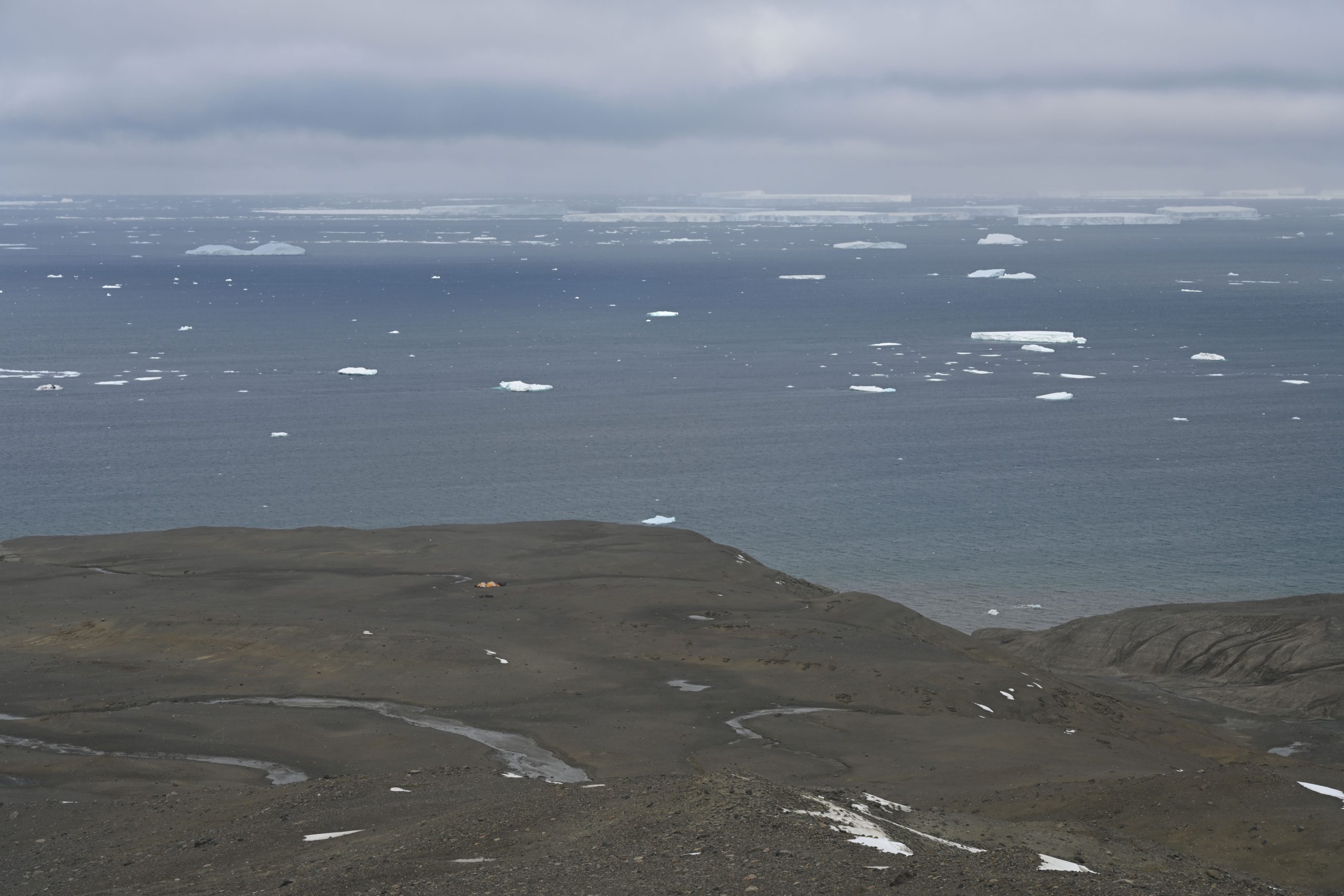
The study also found that the distribution pattern of iron, manganese and sulfur elements in the fossils reflects changes in the chemical environment of the surrounding marine sediments after the penguin remains were buried. That is, the elemental information preserved in bones not only tracks how foreign materials entered the fossils, but also reveals differences between terrestrial weathering inputs, depositional conditions, and early diagenetic environments.
The researchers believe that the chemical composition of fossil bones is expected to become an important source of supplementary information for reconstructing ancient environmental changes, complementing traditional methods such as marine sediment drilling and microfossil analysis. By combining non-destructive chemical scanning with geological evidence, scientists can mine more environmental information from existing fossil collections, providing new ways to reconstruct climate and ecological changes in Antarctica's distant past.
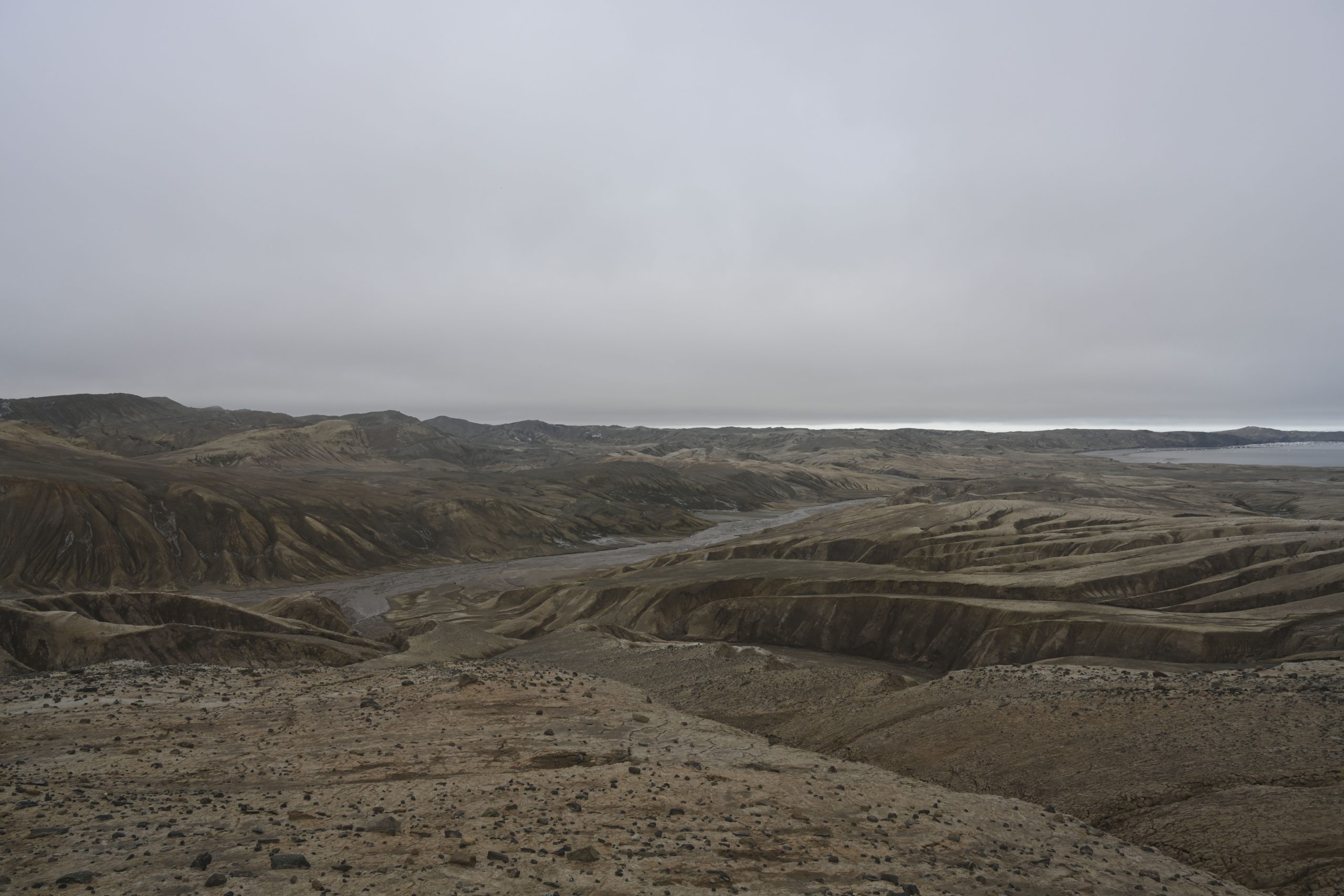
The relevant research paper has been published in "Fossil Record", titled "Eocene Penguin Fossils as Archives of Antarctic Weathering and Climate Change: Insights from Micro-area X-ray Fluorescence Element Mapping".
Comments