
Abstract:
A 20-year follow-up study shows that children enrolled in public preschool education programs still show more prominent academic advantages after entering adolescence. Researchers believe that the level of teacher training, curriculum quality and classroom environment may jointly determine the impact of preschool education on children's long-term development.
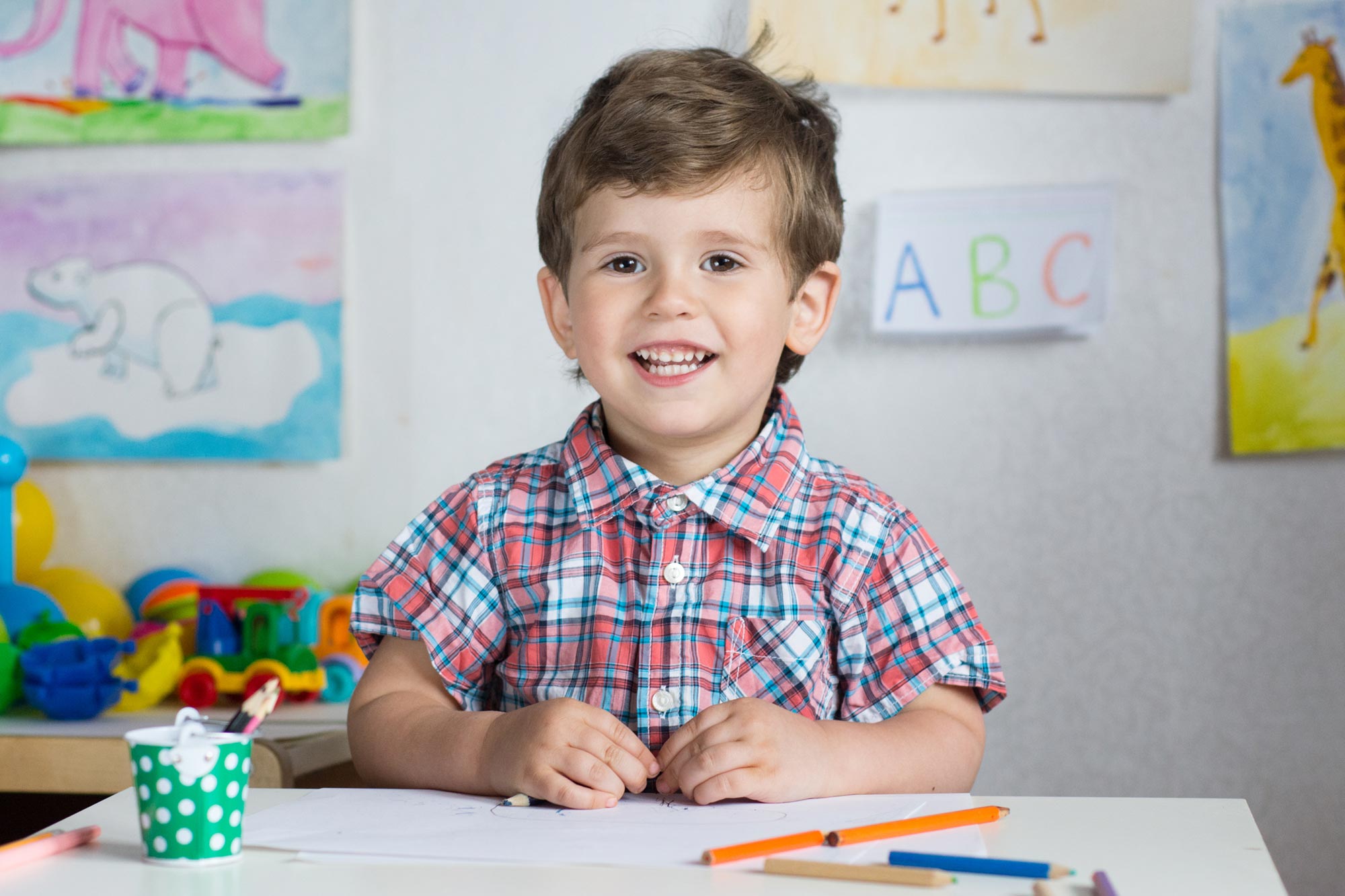
This study is based on a large-scale long-term data project in the Miami-Dade County School District in the United States. The project tracked the academic records of about 400,000 public school students for 20 years, extending from third grade through high school. The newly published study focused on 27,814 children from low-income families who received public school preschool, institutional care, or family care when they were 4 years old. About 60% of the sample were Latino children and 33% were African-American children.
Research results show that children who attended public preschool generally achieved better academic performance than those who attended home-based care, and this difference was not only observed in early elementary school but was also observed in grades and standardized test performance later in life and into adolescence.
The research team pointed out that although the three types of preschool education or daycare projects all meet the basic project requirements, the implementation standards are not the same. Among them, public preschool is the only one that requires teachers to have a college degree. This difference may help explain differences in children's long-term academic performance, said Charles Black, an associate professor of teaching and learning at Florida International University who participated in the study.
Black believes that higher levels of teacher education and training may mean higher quality teaching and curriculum design. He said the data provided support for whether better-trained teachers and better-quality curriculum could improve child development. The outside world sometimes views the education of young children simply as care services, and believes that early childhood teachers do not need to receive higher education; however, research results show that teachers’ professional abilities may have a lasting impact on children.
He further pointed out that the professional training of early childhood teachers is particularly critical in dealing with children's complex social and behavioral needs. Novice teachers who lack formal training may have a harder time managing their classrooms effectively and providing children with adequate cognitive and emotional stimulation. If children are often exposed to punishment, watching videos, or passively waiting for instructions during critical developmental stages, rather than receiving targeted interaction and inspiration, they may enter kindergarten unprepared academically, socially, or emotionally.
Researchers emphasize that the value of preschool education is not limited to directly quantifiable abilities such as literacy, numeracy and vocabulary learning. In the classroom, children also become familiar with the basic rules of school life, such as listening to the teacher, following schedules, collaborating with peers, transitioning between activities, handling frustrations, and participating in activities as a group member. If these habits can be established earlier, children may have an easier time adapting as they enter kindergarten and beyond.
This latest study is also part of a long-term project in Miami. Previous related research has also found that there are differences in school readiness among children growing up in different types of preschool education and day care environments. Therefore, the researchers believe that the impact of preschool education is not just a short-term "head start advantage". The way the classroom is organized, the quality of teacher-child interaction, and the amount of effective stimulation children receive may continue to play a role years later.
However, Black does not think the study results mean that public schools should replace private childcare institutions or home-based childcare. The more practical implication is that other types of preschool programs can learn from the practices of high-quality public preschools, such as strengthening teacher preparation, improving curriculum design, establishing more purposeful classroom routines, and improving the quality of adult-child interactions.
Currently, Black is using relevant research to develop curriculum interventions and early mathematics programs and support children with more structured learning opportunities starting at approximately age 3. Florida International University has previously introduced a preschool math program developed by its team that helps children build early numerical skills through simple game-like activities.
For parents, when choosing a preschool education institution, rather than simply comparing institution categories, it is better to carefully evaluate the actual quality of specific projects. Researchers suggest that parents should focus on whether the teaching team is stable, because frequent changes in caregivers may interrupt the attachment relationship established between children and adults; at the same time, they should visit the school before signing up to understand the teacher's background, daily schedule, course content, classroom rules, and how the teacher responds to the needs of children when they encounter difficulties.
In addition, parents can also consult organizations such as the local early learning alliance for child care quality information and evaluation resources, and communicate with other parents who have used the program to understand whether their children feel happy, engaged and fully supported in it. Blake said that the status of the child is often the most important signal: if the child is chronically unhappy, lacks participation, or has difficulty adapting to a certain environment, parents should consider reevaluating arrangements and finding a more suitable growth environment for them.
Comments