Yangtze Storage's new commercial SSD products have been a blowout in the past six months. After successively releasing PCIe 4.0 QLC flash memory PC42Q and PCIe 4.0 flagship PC450, it finally launchedThe first PCIe 5.0 specification “PC550”, specially built for the new generation of AI PC.
At this point, the classic PC411 and PC41Q have finally completed the replacement of the old with the new and will gradually fade out.
PC550 uses the 3D flash memory chip X4-9070 based on Yangtze River Storage and is based on the self-developed new generation Xtacing 4.0 crystal stack architecture.
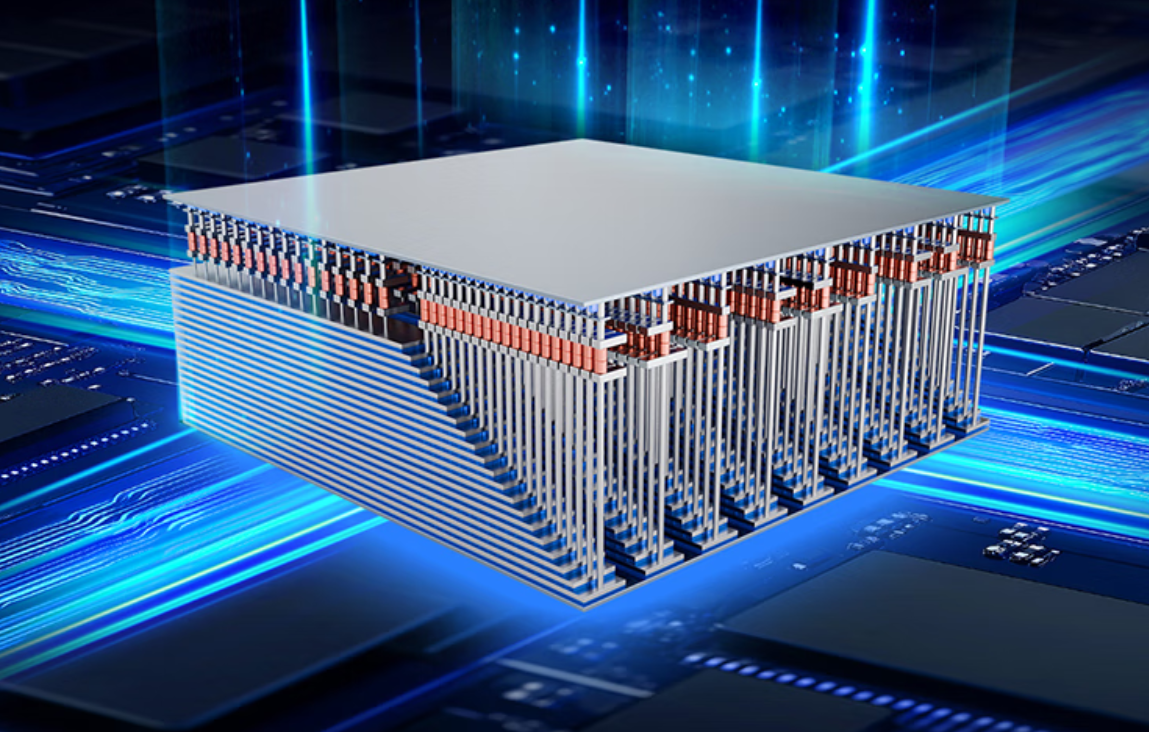
Four-channel interface design, compared with the eight-channel solution, the performance loss is not large, but the power consumption and heat generation are effectively reduced.The full load power consumption is less than 6W, and the sleep power consumption is as low as 3mW.
introduceMultiple Namespace Management (Multiple Namespace), both realizedHardware-level security isolation of core data and systems, greatly improving privacy protection and security, and passingIndependent data path optimization, ensuring that it can still run efficiently in multi-task concurrency and AI computing scenarios.
supportBottom prediction algorithm,passReal-time monitoring and analysis of flash memory operating status, the optimal read voltage can be accurately predicted, thereby improving data reliability.
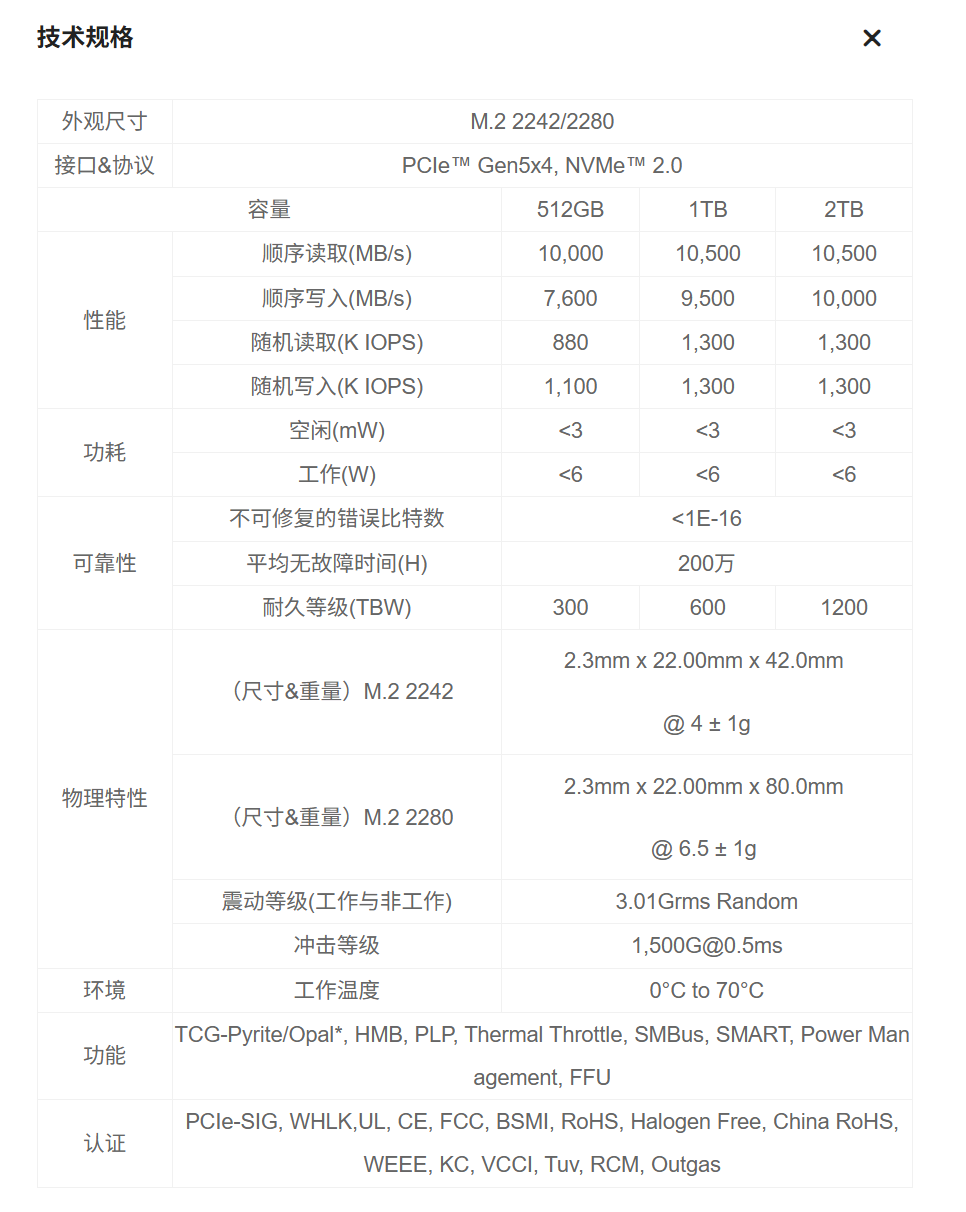
The appearance form continues to be divided intoM.2 2280, M.2242Two forms, suitable for different models, with optional capacities512GB, 1TB, 2TB (no cache), all support PCIe 5.0 x4, NVMe 2.0.
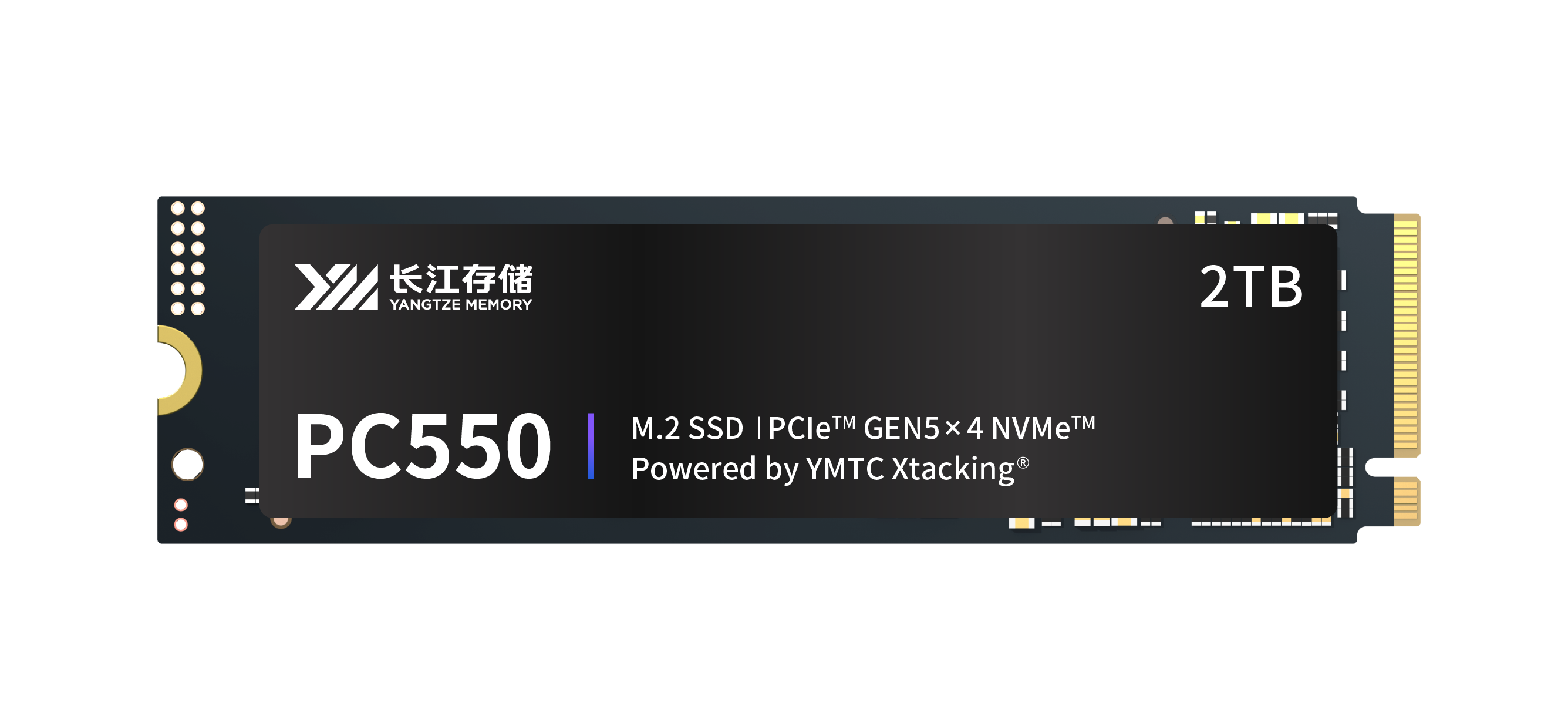
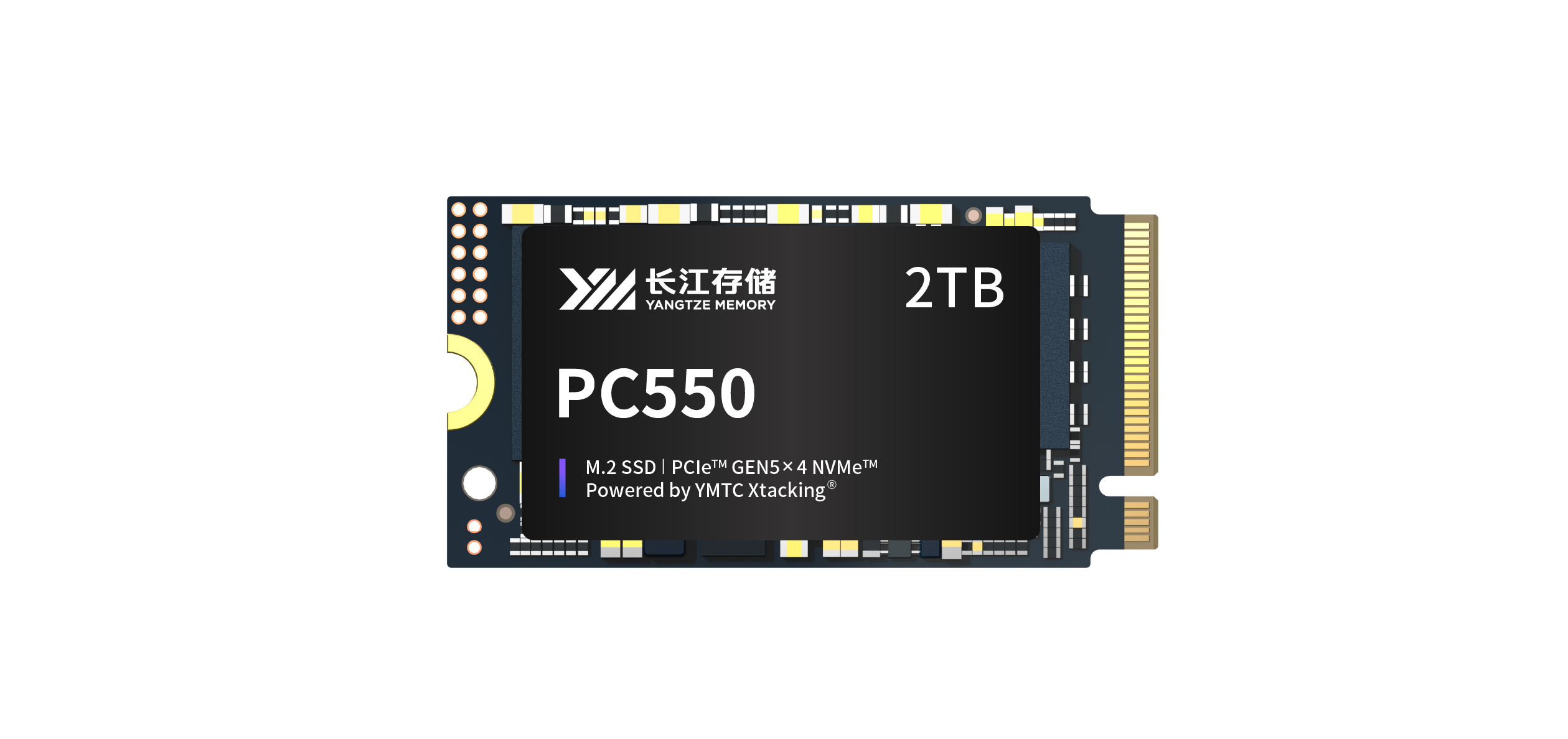
In terms of performance,The 1TB capacity version has sequential read and write speeds of up to 10.5GB/s and 10GB/s, and random read and write speeds of up to 1.3 million IOPS.
The mean time between failures is 2 million hours,Endurance level 1200TB, based on an average of 0.66 full disk reads and writes per day over a five-year period.
In addition, in terms of functions, it also supports TCG-Pyrite/Opal security encryption, HMB (host cache buffer), PLP (power loss protection), Thermal Throttle (overheating protection), SMBus, S.M.A.R.T, Power Management (power management), FFU (field firmware update).
Certifications passed include PCIe-SIG, WHLK, UL, CE, FCC, BSMI, RoHS, China RoHS, halogen-free, WEEE, KC, VCCI, Tuv, RCM, Outgas.
It is expected that many notebook brands will gradually introduce PC550, bringing notebook storage into the new PCIe 5.0 era!