Although there have been rumors circulating on the Internet recently that the European Union will force Apple to equip iPhones with removable batteries in 2027, this news is not true. Many current discussions on this topic on the Internet (including rumors on social media) contain misunderstandings of EU regulations. In fact, the iPhone will not change its current battery design in the future.
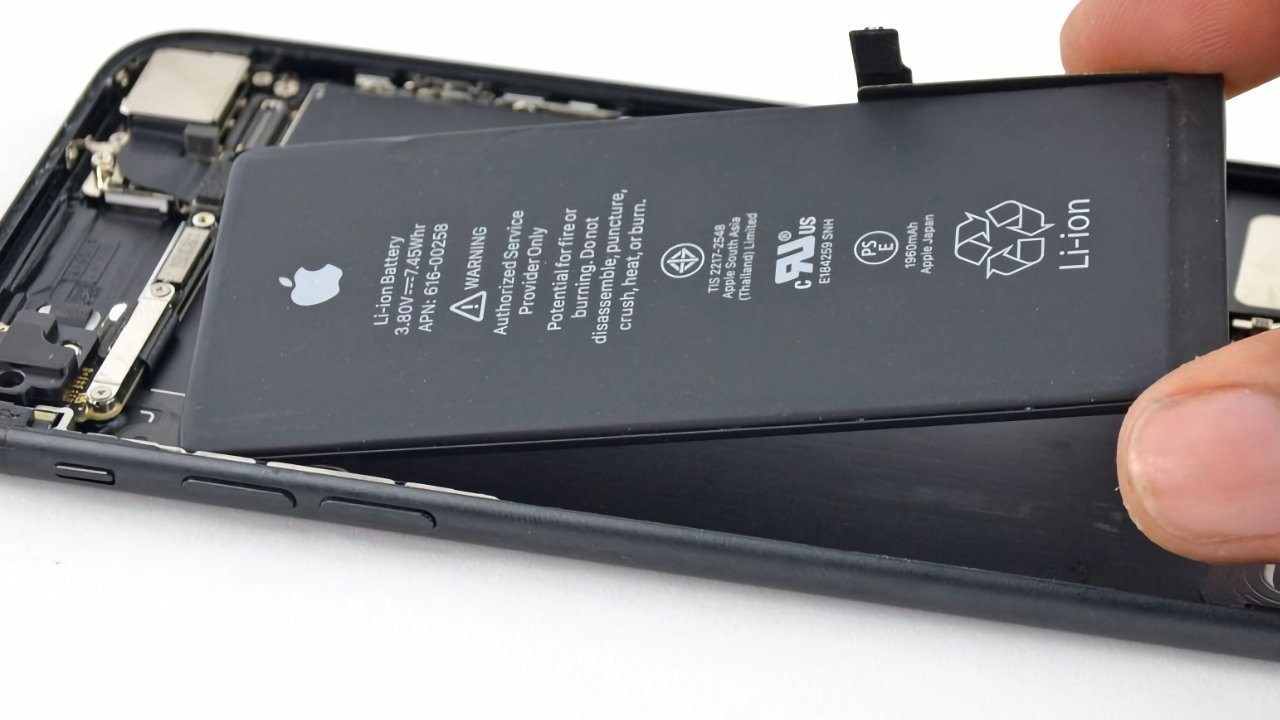
The reason for this misunderstanding is that the EU did pass a new battery regulation that will take effect in 2027, namely "EU Regulation No. 2023/1670". One of the core requirements of the regulation is that in order to facilitate user replacement, the batteries of smartphones and tablets must be designed to be easily removed and replaced, and professional tools must not be used in the process.
However, the Regulation contains a key exemption, namely the provisions in Annex II regarding specific performance standards. Smartphones can be exempted from enforcing removable battery designs if they can meet the following three strict criteria: first, the battery must maintain at least 83% of its rated capacity after 500 full charge cycles; secondly, it must maintain at least 80% of its rated capacity after 1,000 charge cycles; and finally, the device must be at least IP67 dustproof and waterproof.
Existing mainstream iPhone models have met and exceeded the above performance indicators, so they naturally fall within the exemption scope of the regulation. For users, if they need to replace the battery, they can now go through Apple’s official after-sales service system, or use Apple’s existing “self-service repair plan” to handle it through unofficial channels.
It is worth noting that the recent attention on related topics is largely due to Nintendo’s compliance confirmation of its next-generation game console product (Switch 2). Since the game console product does not belong to the category of mobile phones or tablets and cannot meet the above-mentioned exemptions such as waterproof performance, it must be designed in compliance with the EU regulations, but this is not directly related to the iPhone's hardware strategy. For Apple, its iPhone product design strategy in the European market will remain unchanged in the short term.