Affected by the severe market competition environment and the DRAM memory crisis, the smartphone market is experiencing renewed turbulence. According to the latest news, the well-known smartphone brand OnePlus is about to withdraw from the US and European markets and officially terminate its business operations in these regions.
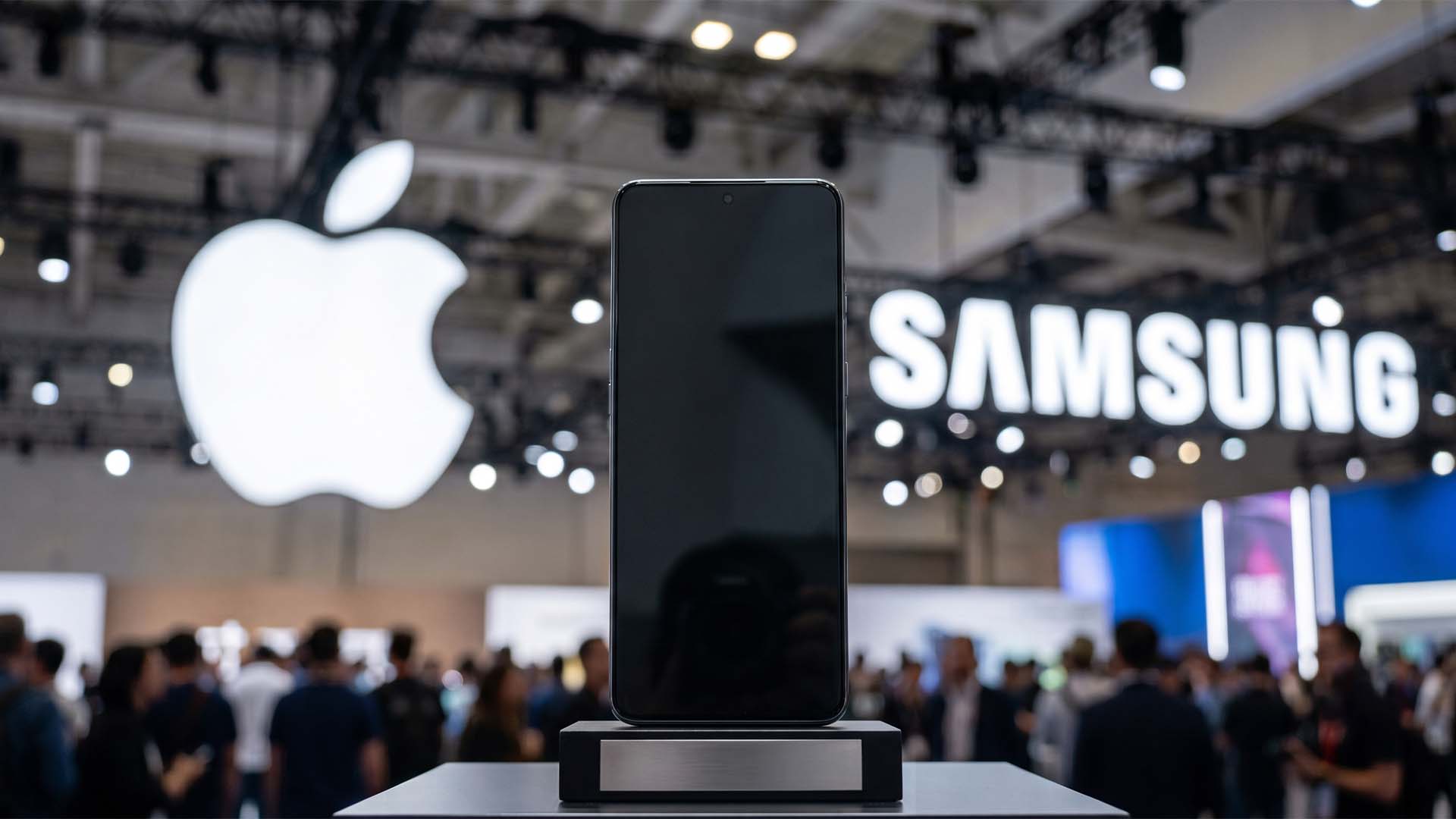
This change is of great significance to the global smartphone landscape. For a long time, the U.S. smartphone market has been characterized by a two-power competition between Apple and Samsung. Other brands often have to survive in the cracks and their market share is extremely limited. At a critical period when artificial intelligence technology triggers a new round of changes in the industry, coupled with the external pressure of DRAM memory chip prices continuing to rise, OnePlus's withdrawal has become another footnote in this cruel industry cycle.
Although the OnePlus brand has previously denied rumors of withdrawing from the market, people familiar with the matter revealed to the media that the relevant official announcement will be officially released in the next few days, confirming that the company will cease all operations in the United States and Europe. Signs have already emerged. OnePlus has previously adopted a strategy to guide consumers to purchase OPPO products in many countries. This move was interpreted by the market as a precursor to business contraction.
Looking back on 2014, OnePlus entered the market strongly with its "flagship killer" positioning. Its first product, OnePlus One, quickly captured the geeks who pursue cost-effectiveness with its top-notch configuration and extremely competitive price. However, as the brand strategy shifts to high-end and attempts to compete head-on with Apple and Samsung, OnePlus has gradually lost its early market uniqueness, and its recent products have even been pointed out to be highly homogeneous with the OPPO brand.
After the global DRAM crisis broke out, memory and storage costs surged, putting huge profit pressure on all companies that rely on the hardware supply chain. For OnePlus, its already weak bargaining power and narrow market space in the US and European markets make it difficult to cope with this round of industry reshuffle.
Currently, OnePlus and OPPO promise to continue to provide software update support to existing users until the end of the product life cycle, but will no longer launch new smartphones in the US and European markets in the future. As the existing channel inventory is cleared, the brand's era in the US and European markets will officially come to an end. As for OnePlus’s subsequent moves in other key markets such as India and China, the company has not yet commented. The market generally expects that the OnePlus 16 series is likely to be its last generation model in these markets.