
Abstract:
The flight processing system of the British National Air Transport Services (NATS) experienced a technical failure on September 8, resulting in widespread delays and cancellations at major airports such as Heathrow, Gatwick, Manchester and Stansted. The system returned to normal that night, but the misalignment of aircraft and crews had a knock-on effect. As of September 9, the cumulative number of canceled flights has exceeded 1,000, and the British air transport network is still recovering.
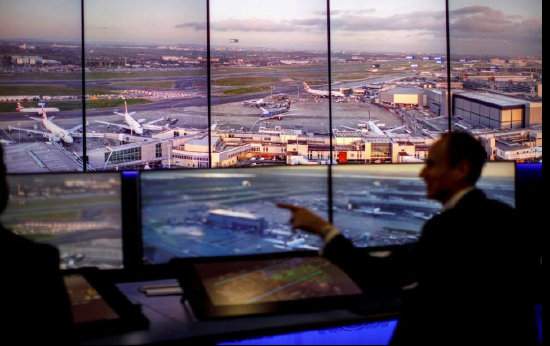
The flight processing system failure lasted for about six hours
NATS first reported technical problems at 13:46 local time on September 8, saying that departure flights at British airports were affected. The company later confirmed that the fault was in the flight processing system; the British airspace was not closed and some flights could still take off, but the overall operating capacity was limited.
NATS stated at 16:40 that a repair plan had been deployed, and by 19:30 it was confirmed that the fault was resolved and the system was back to normal. However, there is a large backlog of flights waiting to be flown, and the recovery process will take longer than the company initially expected. NATS CEO Martin Rolfe said that the company will take responsibility and conduct a comprehensive investigation, and has currently ruled out the possibility of a cyber attack.
This failure is different from the technical problems that disrupted flights in 2023 and 2025. NATS has not released a more specific cause of the failure.
Heathrow temporarily suspended arrivals, and European flights were simultaneously disrupted
Statistics from aviation data agency Flightradar24 show that more than 1,000 flights were canceled at British airports on September 8. British media subsequently reported that as airlines adjusted flights for the next day, the cumulative number of cancellations rose to approximately 1,300 flights on September 9.
After Heathrow Airport resumed departure flights on the evening of the 8th, it suspended incoming flights for the remainder of that night. The airport resumed operations on the 9th, but some flights were still canceled or delayed due to airlines redeploying aircraft and crews. Gatwick, London City, Stansted, Manchester, Birmingham and a number of Scottish airports are also affected.
The outage also affected other parts of Europe. EasyJet said it was experiencing delays across its European flight network as some aircraft bound for the UK were asked to stay at overseas airports to prevent further congestion in British airspace.
Airlines face aircraft relocation and passenger placement costs
British Airways stated that it was forced to cancel or change more than 100 flights on the afternoon of September 8, affecting tens of thousands of passengers. Since the aircraft and crew failed to arrive at the scheduled location, follow-up operations continued until at least the next day.
Ryan Air said more than 65,000 passengers experienced delays and more than 50 flights were cancelled. The company and Wizz Air again criticized the reliability of the NATS system and called for changes to its management. The relevant remarks belong to the airline's liability claims, and the specific economic losses have not yet been announced.
Outages may also increase airline expenses for providing passengers with meals, accommodations, changes and alternative transportation. An air traffic control failure may generally be deemed to be an exceptional circumstance beyond the airline's control, but the carrier is still required to provide care, refunds or alternative flights in accordance with UK Passenger Rights Regulations.
The British government requires NATS to explain system reliability
British Transport Secretary Heidi Alexander has asked Rolf to explain the accident and seek assurances about the reliability of the system and subsequent rectifications. The UK Civil Aviation Authority is expected to obtain NATS's complete accident report and then assess whether regulatory measures are needed.
In August 2023, a failure in the NATS flight planning system affected more than 700,000 passengers. An independent review subsequently organized by the UK Civil Aviation Authority made 34 recommendations, involving backup systems, engineering resources, industry communications and major accident drills. Another system outage this time is expected to cause regulatory authorities to re-examine the implementation of relevant rectification measures.
Comments