
Abstract:
The invasive pest ash larvae has spread to five other counties in Texas, USA, further expanding its activity range in the state. The beetle has previously killed hundreds of millions of ash trees in North America and caused widespread ecological and economic damage.
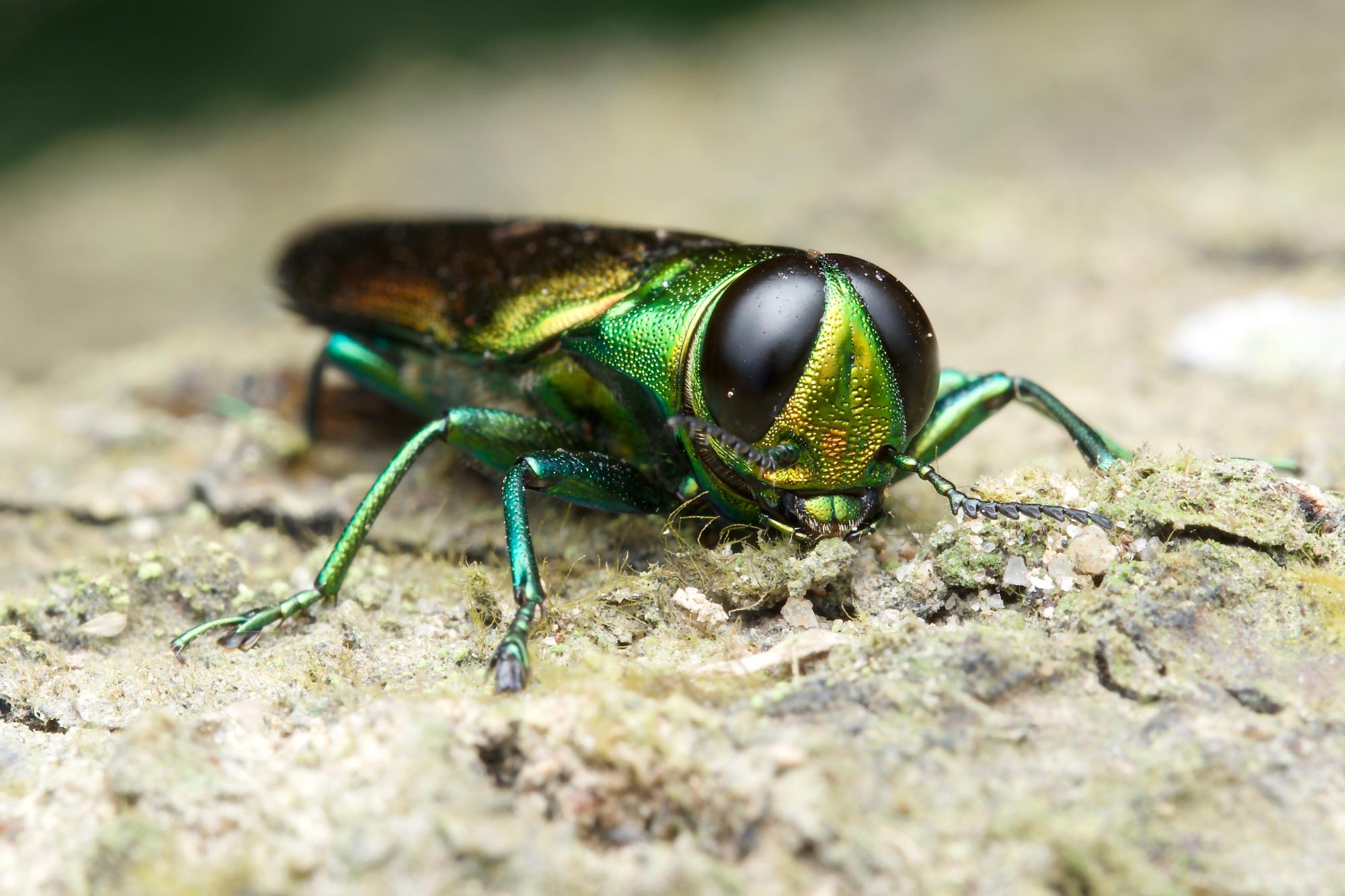
The ash narrow beetle is a wood-boring beetle. The adult is about 1.3 centimeters long and is metallic green in color. The larvae hide under the bark to feed, drilling winding channels and destroying the tree's ability to transport water and nutrients. Severely infested trees will eventually die.
The Texas A&M Forest Service confirms new sightings of the ash narrowed beetle in Delta, Erath, Hardin, Walker and Wood counties. So far, the number of newly confirmed counties in the state with this pest has increased to 8 in 2026.
These latest infestations were discovered through the agency's statewide ash borer surveillance program. Every year during the adult flight season, workers set purple traps across Texas. Adult activity usually begins in February or early March, and traps are deployed until July or August. Trapping for 2026 has now ended, but authorities will continue to search for signs of pest infestation throughout the year.
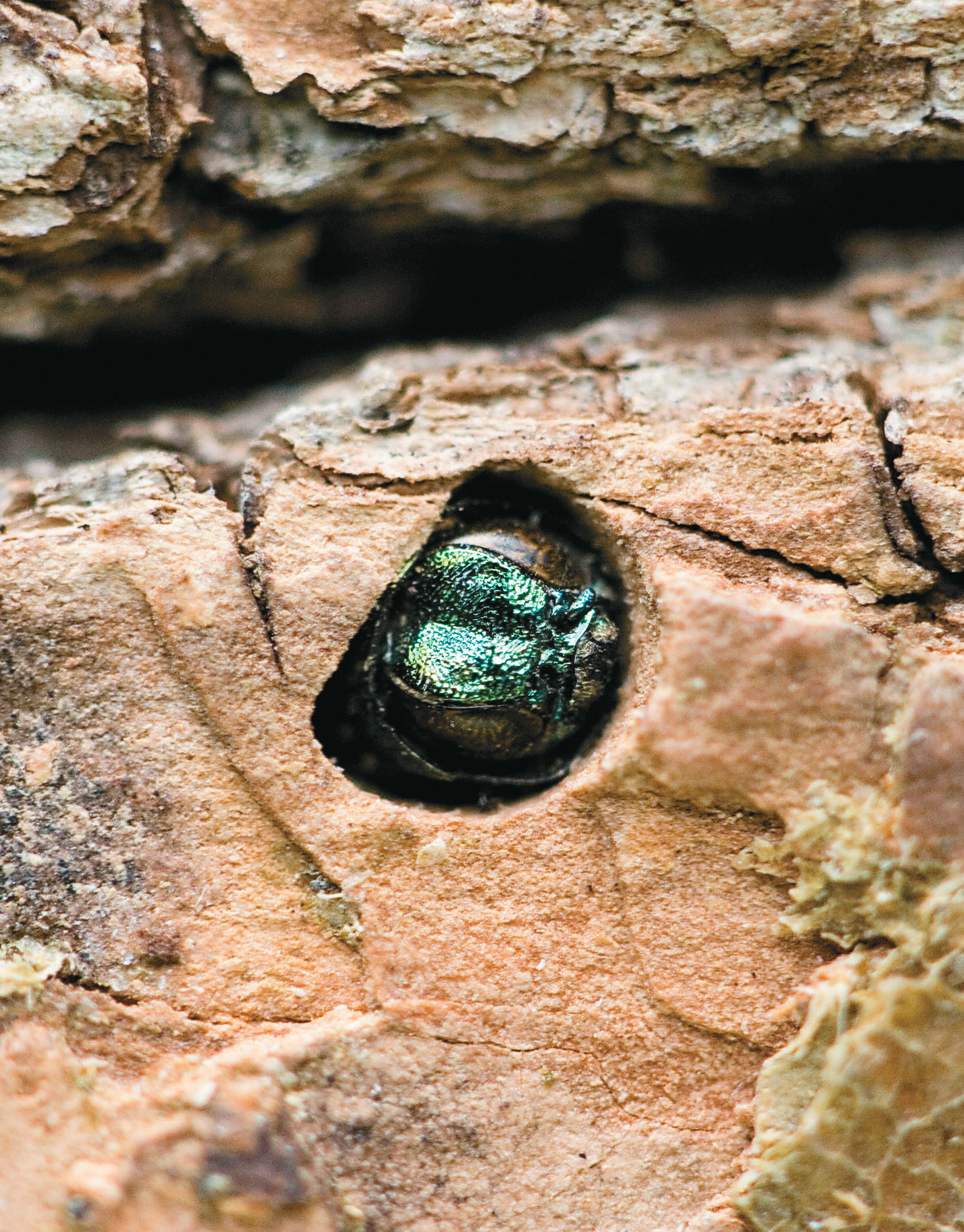
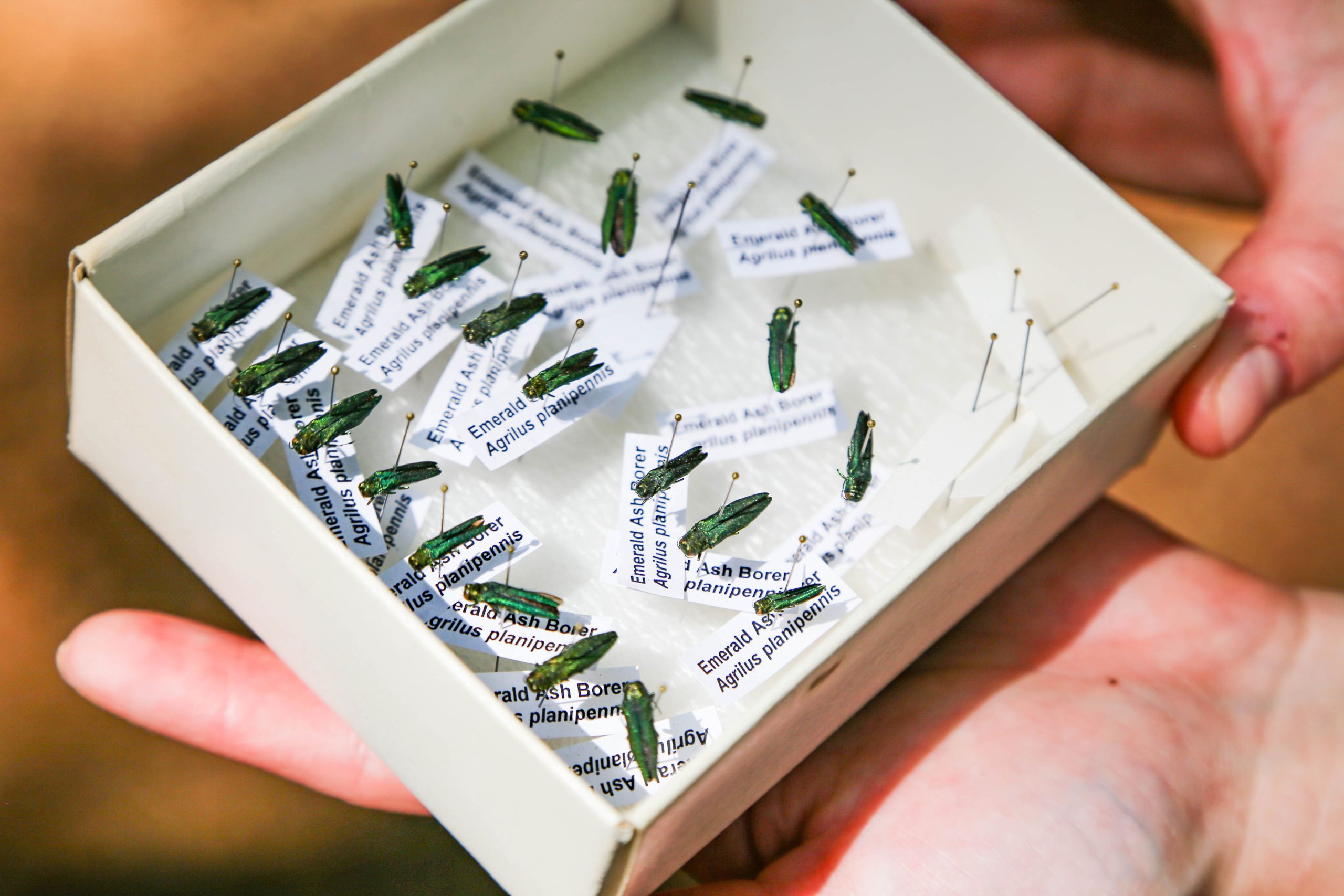
The ash worm has become one of the most destructive invasive forest pests in North America, killing hundreds of millions of ash trees. The beetle was first discovered in Texas in 2016 and has continued to expand its range since then. Currently, 16 species of ash trees native to Texas are threatened, whether they are trees in cities or trees in forests, and may be infected.
Damian Gomez, regional forest health coordinator for the Texas A&M University Forest Service, said Hardin County is currently the southernmost boundary of the pest's distribution in the United States, sending a clear message: As long as ash trees can spread south, the pest is likely to follow them.
The adults of the ash stenozoospermia are metallic green in color and about 1.3 cm in length. Because infested ash trees may show few noticeable symptoms in the early stages, it is not easy to detect an infestation in time.
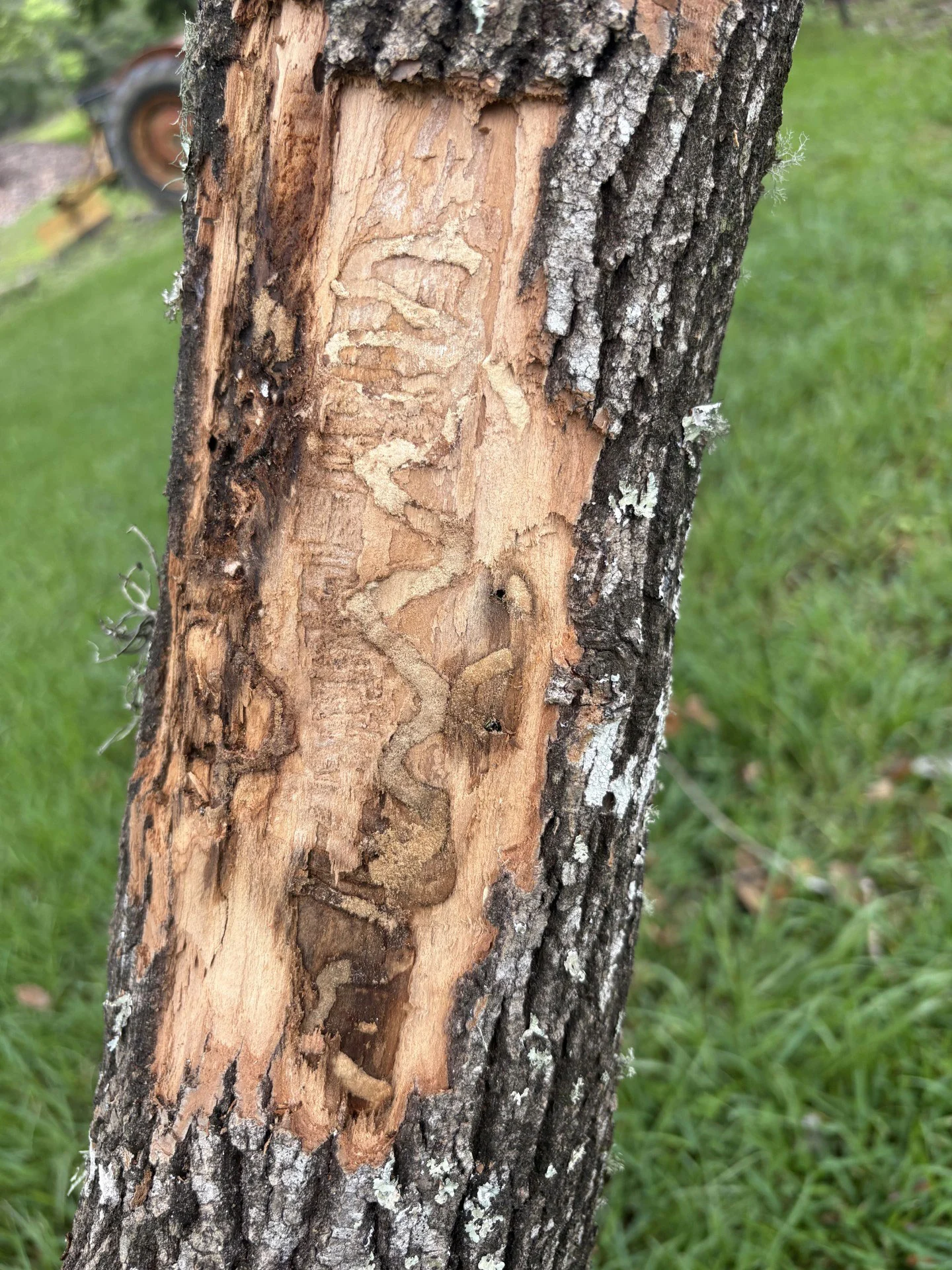
As damage worsens, trees may experience thinning of the crown, cracking of bark, and increased woodpecker activity. When the adult beetle emerges from the tree, it leaves a characteristic D-shaped emergence hole in the bark. The larvae feed under the bark and drill winding S-shaped channels, interfering with the tree's transport of water and nutrients.
Not only can the ash worm spread naturally, but humans transporting infected firewood, logs and other ash wood products will also greatly accelerate its spread. The Texas A&M University Forest Service recommends residents purchase firewood near where it will be used and avoid transporting untreated wood long distances.
The agency is working with communities, landowners and industry partners to locate new infestation sites and provide the public with feasible prevention and management options. At the same time, the Texas A&M University Forest Service has also cooperated with the Texas Department of Agriculture to set up quarantine areas to restrict the flow of wood products that may carry this beetle and prevent the pests from further entering other areas.
Comments