
Abstract:
Red meat has been part of the human diet dating back millions of years. It provided highly concentrated nutrients to early humans, which may have helped humans adapt to their environment and achieve evolutionary success. However, the consumption pattern of red meat in modern society is very different from that in ancient times. The increasing intake and industrial production are putting increasing pressure on human health and the ecological environment.
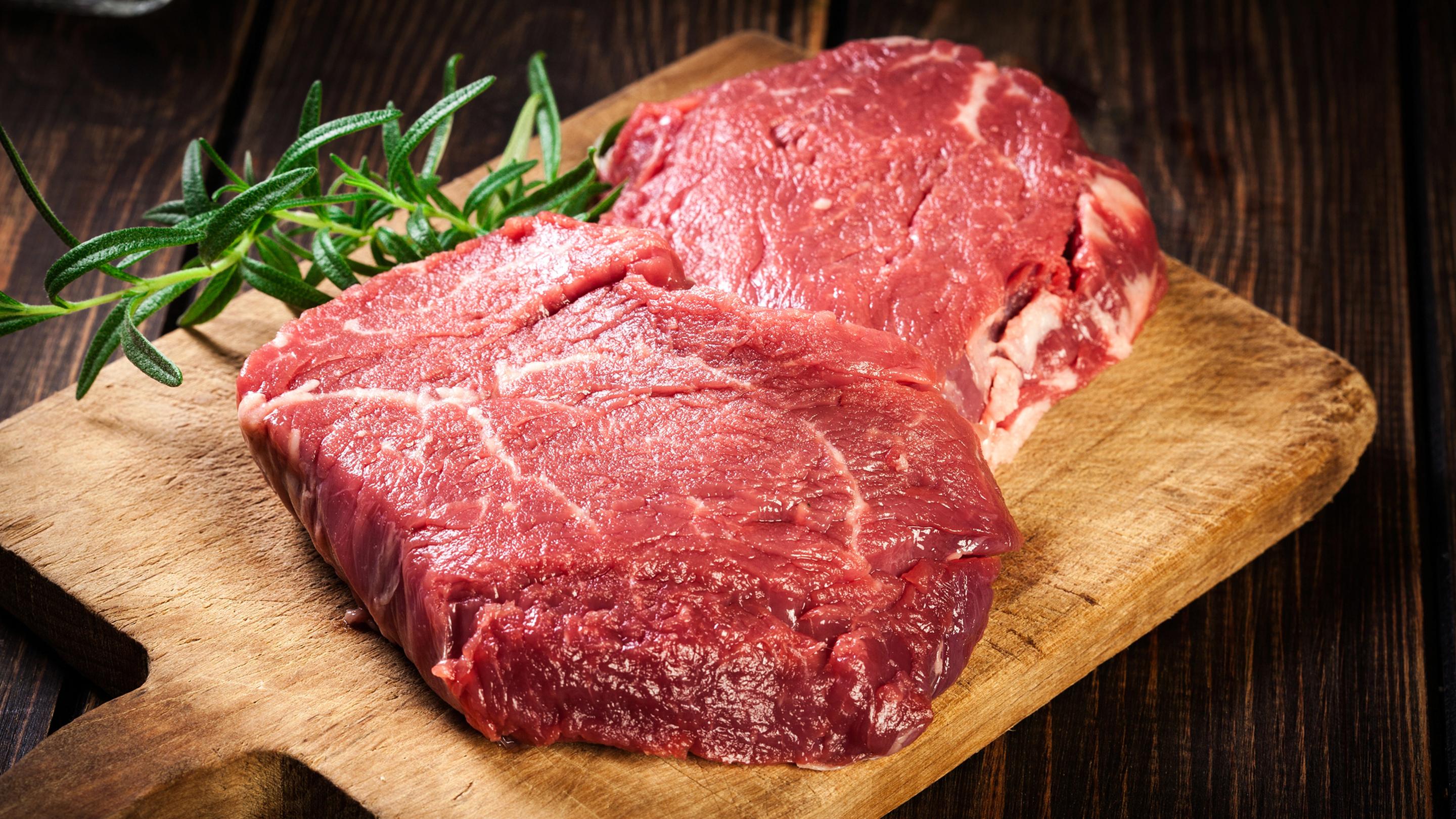
An interdisciplinary review published in the "Quarterly Review of Biology" systematically combed through the dietary history of humans for about 3 million years, and combined archaeological, epidemiological and molecular biological evidence to analyze how red meat gradually changed from a scarce and important source of nutrition to a food related to chronic diseases and ecological damage. The authors of the paper include Juston Jaco, Kalyan Banda, Ajit Varkey and Pascal Gagne.
The researchers stress that they are not arguing that meat is inherently harmful or that humans have never adapted to eating it. What has really changed is the frequency with which meat is obtained, its nutritional composition, its production methods, and its place in diet and culture. Ancient humans occasionally obtained animal tissue from a diverse diet, which is completely different from modern society's regular consumption of large amounts of red meat and processed meat products.
Archaeological evidence shows that early humans began to consume animal foods before the emergence of Homo sapiens, but the diet at that time was still mainly plant-based. The cuts that early humans really valued may not have been the steaks and roasts that are so popular today. Fat, bone marrow, organ meats, and brain tissue generally contain more calories and important lipids than lean meat and may be better suited to meet the nutritional needs of early humans, particularly in supporting the development of the energy-intensive organ of the infant brain.
The paper points out that modern European and American food culture places steak and barbecue at the core of red meat. This preference and cultural concept may affect people's judgment of the diet of early humans. In other words, modern people’s dietary ideals may lead people to mistakenly believe that their ancestors mainly pursued the lean meats and larger cuts of meat that are common today.
The review also casts doubt on the common belief that eating meat directly drives brain expansion in humans. Protein is not a particularly energy-dense nutrient, nor is it the brain's preferred fuel. Researchers believe that humans' evolutionary success is more likely due to the ability to consume a variety of foods, including plants, fatty animal tissues and other resources available in different seasons and environments.
This dietary flexibility was especially important when early humans migrated to unfamiliar areas. Rather than relying on a fixed ideal recipe, they adapt their food sources to local circumstances. Rather than saying that humans have always relied on a meat-centric diet, adaptability and diversity may be the most critical features in the evolution of the human diet.
The advent of agriculture approximately 10,000 to 12,000 years ago brought about major nutritional changes. Agriculture increased the stability of the food supply and supported population growth, but also gradually shifted diets away from diversification and towards reliance on a few staple grains. Because a grain-based diet contains iron that is not easily absorbed by the body, this change increases the risk of nutritional deficiencies, including iron deficiency. In contrast, such deficiencies are relatively rare among hunter-gatherers.
Today, for many people around the world, meat is no longer an occasional source of rare nutrition but a $1.3 trillion global industry. The industry is expected to continue to expand, especially in low- and middle-income countries. Industrial production has allowed red meat to enter the daily diet with a frequency and scale that has few precedents in human evolutionary history.
A large number of epidemiological studies continue to show that higher intakes of red and processed meat are often associated with higher risks of cardiovascular disease, type 2 diabetes, colorectal cancer, and all-cause mortality. The International Agency for Research on Cancer has classified processed meat as a Group 1 carcinogen, which means there is sufficient evidence that processed meat can cause human cancer; unprocessed red meat is classified as "possibly carcinogenic."
The researchers also discussed a biological mechanism that is relatively unknown to the public, namely the "xenosialic acid inflammatory response" induced by diet, referred to as "xenosialic acid inflammation." This reaction is related to N-glycolylneuraminic acid. About 2 million years ago, humans lost the ability to make this sugar molecule, but it is still present in large amounts in the red meat that people regularly eat.
After red meat is ingested by the human body, the N-glycolylneuraminic acid in it may be incorporated into human tissues. Because the immune system recognizes the molecule as foreign, the antibodies may repeatedly attack cells containing the molecule, triggering persistent low-grade inflammation. Researchers speculate that this chronic inflammation may promote atherosclerosis, accelerate colorectal cancer development, and may be involved in cognitive decline.
The problems associated with red meat are not limited to health. Industrial livestock farming accounts for about 15% of global greenhouse gas emissions and is also linked to deforestation and water pollution. The extensive use of antibiotics in animal husbandry may also further promote the emergence and spread of drug-resistant bacteria.
The author is not advocating that everyone must give up red meat entirely. Rather, they want to show that human evolutionary history cannot simply be used to justify modern red meat consumption. A food may be very beneficial to humans when it is scarce, has important nutritional value, and is part of a diverse diet; but it may also be harmful to health and the environment when it is produced in large quantities through industrial means and is consumed with high frequency and large portions.
The authors of the paper concluded that the nature, scale and social context of today's red meat consumption have changed dramatically compared with the period of human evolution. The dietary flexibility that once helped humans survive and thrive may offer new directions today: societies can gradually reduce their reliance on red meat while acknowledging the important role meat has played in human history.
Related articles:
Study finds that red meat may not be as harmful to the human body as previously thought
Study finds that the heme iron in red meat increases the risk of type 2 diabetes by 26%
Researchers find clear link between excess red meat consumption and colorectal cancer
Comments