
Abstract:
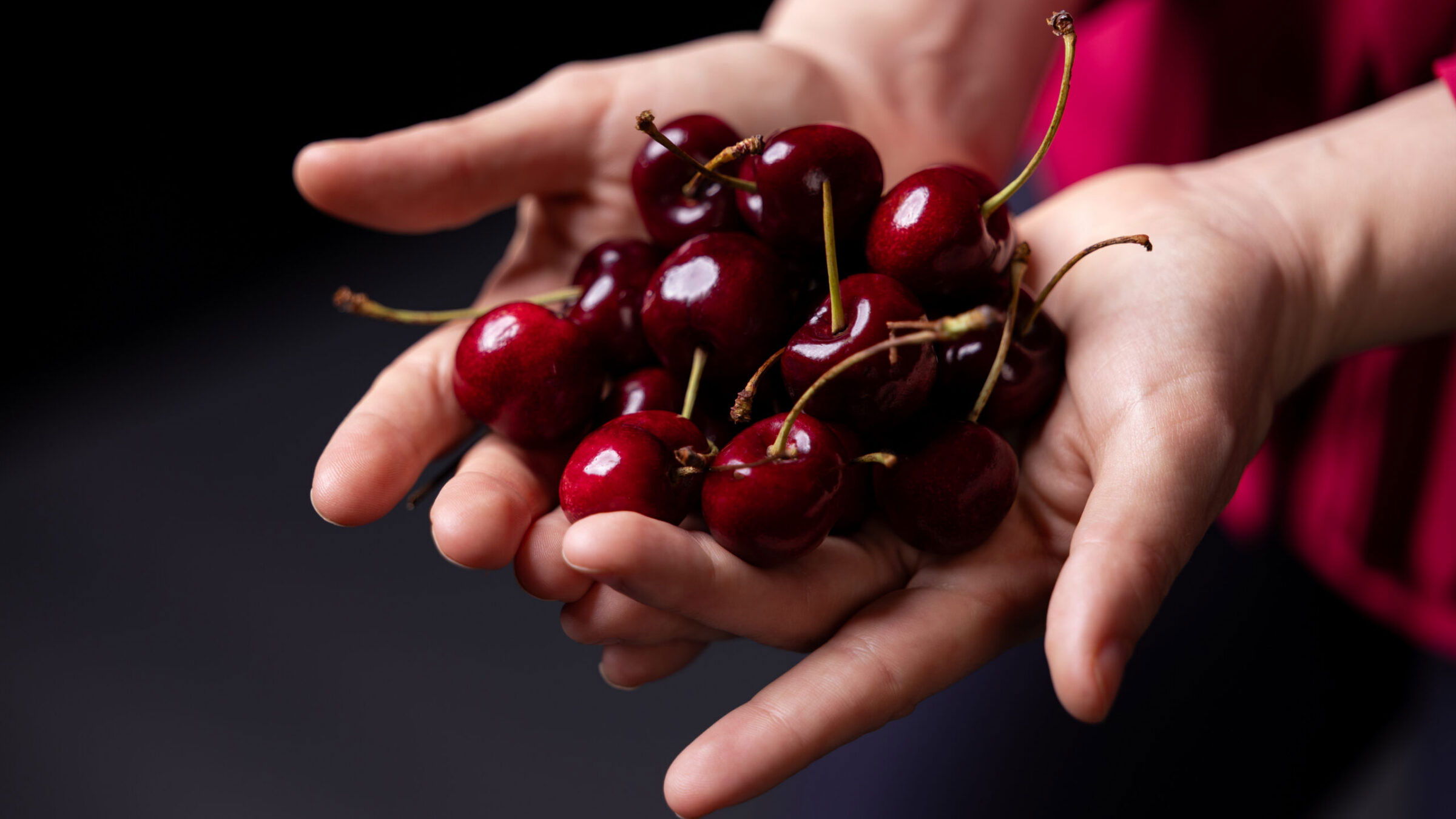
Researchers at Texas A&M University in the United States have discovered that anthocyanins, the natural plant pigment in dark sweet cherries that give the fruit a deep red color, may have an anti-tumor effect on a more aggressive form of breast cancer. Experiments on mice have shown that anthocyanin-rich dark sweet cherry extract is associated with slower tumor growth, reduced cancer cell metastasis, and changes in the activity of genes associated with treatment resistance.
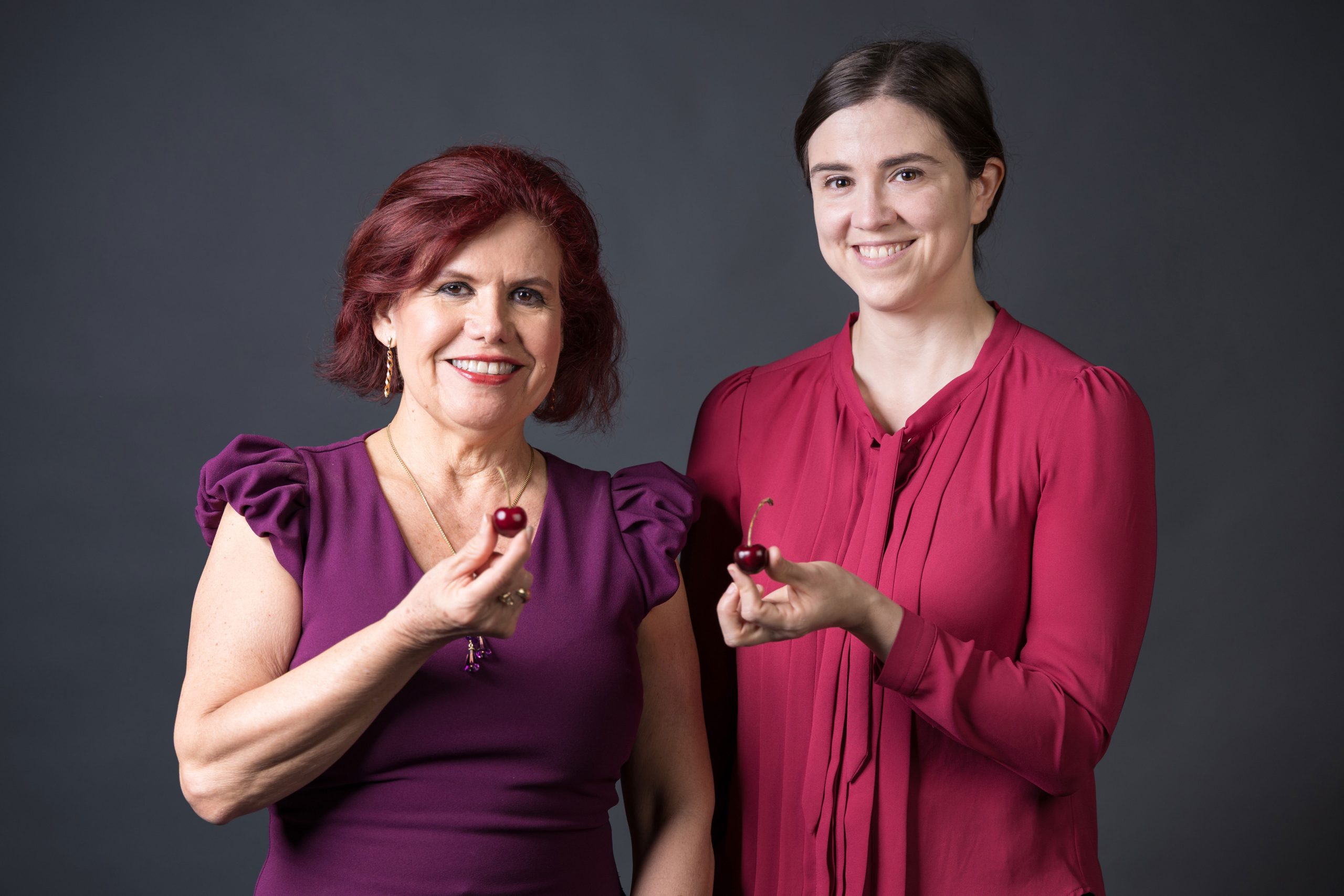
The research team came from the Texas A&M University College of Agriculture and Life Sciences, Texas A&M AgriLife Research Center, and the College of Veterinary Medicine and Biomedical Sciences. The researchers focused on the impact of anthocyanins on triple-negative breast cancer. It has been considered one of the more difficult types of breast cancer to treat because it has relatively few treatment options and can easily spread to other parts of the body.
Dr. Juliana Norato, associate researcher at the AgriLife Research Center in the Department of Food Science and Technology in the College of Agriculture and Life Sciences at Texas A&M University, said that the reason triple-negative breast cancer is considered one of the "worst" types is because it is generally more aggressive, more malignant, and has a high mitotic index, which means that the cancer cells divide faster. These characteristics make it more likely to spread to distant organs and to relapse than other breast cancer types.
Triple-negative breast cancer cells lack estrogen receptors and progesterone receptors, and do not express HER2, a protein involved in regulating cell growth and proliferation. Without these targetable molecules, patients have fewer treatment options and the cancer is more likely to metastasize, especially to the lungs and brain.
Instead of focusing solely on the size of the primary tumor, the study also tracked whether the cancer had spread to other organs. This is because the leading cause of cancer-related death is metastasis. Noratto pointed out that if a large primary tumor does not metastasize, it can usually still be controlled or even cured through surgery and other methods; but once the cancer cells spread, the difficulty of treatment will increase significantly.
To understand whether anthocyanins could affect both tumor growth and metastasis, the researchers divided mice into four groups. The first group received no treatment; the second group received anthocyanins before the tumors were implanted; the third group received the chemotherapy drug doxorubicin after the tumors formed; and the fourth group received both anthocyanins and chemotherapy. Such an experimental design could both examine the potential of anthocyanins as a preventive intervention and see whether it helps enhance the effectiveness of chemotherapy.
The results showed that mice that received anthocyanin-rich dark sweet cherry extract before tumor implantation had slower tumor growth and no obvious side effects. The mice continued to gain weight during the experiment.
In contrast, some mice that received chemotherapy alone lost weight, and tumor growth did not begin to slow until late in the experiment. In mice that received anthocyanins and chemotherapy at the same time, tumor growth slowed down earlier and body weight was maintained.
The researchers also analyzed gene expression within the tumors. Gene expression refers to which genes are turned "on" or "off," helping researchers understand which cellular processes are affected by the anthocyanins in dark sweet cherries.
Whether used alone or in combination with chemotherapy, anthocyanins reduce the activity of genes associated with cancer metastasis and treatment resistance. Treatment resistance refers to the process by which cancer cells can adapt to the treatment environment and continue to survive under the action of drugs.
Mice treated with anthocyanins showed less spread of cancer cells into the lungs compared with untreated mice and mice that received chemotherapy alone. Cancer cells are also less likely to metastasize to the liver, heart, kidneys and spleen. However, the number and size of tumors varied between mice.
To connect these molecular-level changes to actual changes in cancer tissue, Dr. Lauren Stranahan, a veterinary pathologist at Texas A&M University's College of Veterinary Medicine and Biomedical Sciences, used histological methods to examine tumor tissue samples microscopically.
Stranahan assessed the rate at which cancer cells divide, known as the mitotic index, and looked at the extent to which metastatic cancer cells invaded different organs and whether that invasion might affect organ function. Some tumors have higher mitotic rates, indicating that cancer cells are dividing faster, she said.
Some tumor tissues also have areas of necrosis, which are areas of tissue death. This can occur when a tumor grows too fast and outstrips the existing blood supply.
The researchers also looked at immune cells inside the tumor, including T lymphocytes. T cells help the immune system identify and eliminate abnormal cells, including cancer cells. When assessing cancer aggressiveness, researchers also look at whether cancer cells are able to reduce the number of T cells that attack them, Stranahan said.
The researchers believe that these results are consistent with the increasingly important treatment concept in cancer research, which is to combine multiple treatment modalities rather than relying on a single therapy. Stranahan said that the current understanding of cancer shows that it is difficult for a single treatment to have a sufficient effect on cancer, and clinical treatment may require a combination of multiple methods.
Natural compounds derived from the diet may be part of this comprehensive strategy, Norato said. They may act on cancer-related processes that cannot be fully addressed by standard treatments, providing researchers with clues to explore new biological pathways.
Stranahan also emphasized that studying complex diseases such as cancer requires cooperation between experts in different scientific fields. The more diverse expertise those involved in a study have, she says, the more they can evaluate experiments from different angles and unique perspectives, thereby improving the quality of the research.
Veterinary pathologists can be involved in a variety of biomedical research studies, she adds, and their work spans far beyond animal health-related topics. She said veterinary pathologists do a lot of diagnostic work at the Texas A&M University Veterinary Medical Teaching Hospital and are also able to provide support for scientific research.
The researchers stress that these results are still preliminary. Additional research is needed to further clarify how anthocyanins affect tumor behavior and to assess their safety, absorption in humans, and feasibility of use in combination with existing cancer treatments.
The publication of this study also expresses special thanks to the social groups that provided support for related work. Norato said the paper is dedicated to the late Burdett Jerome "BJ" Thirlby, chairman of the Washington State Fruit Commission. His passion for scientific discovery and support of cherry research left a lasting impact on cherry research and the scientific community as a whole.
Comments