
Abstract:
Researchers at Texas A&M University in the United States are studying the role of copper in the body's resistance to urinary tract infections (UTIs), hoping to use the body's own natural defense mechanism to find new ways to treat increasingly serious antibiotic-resistant urinary tract infections. The project received US$1.48 million in funding from the National Institutes of Health (NIH). The research focus is not simply on using copper as a traditional antibacterial drug, but on figuring out how the body uses copper to attack bacteria, and how pathogenic bacteria adapt to this attack and continue to survive.
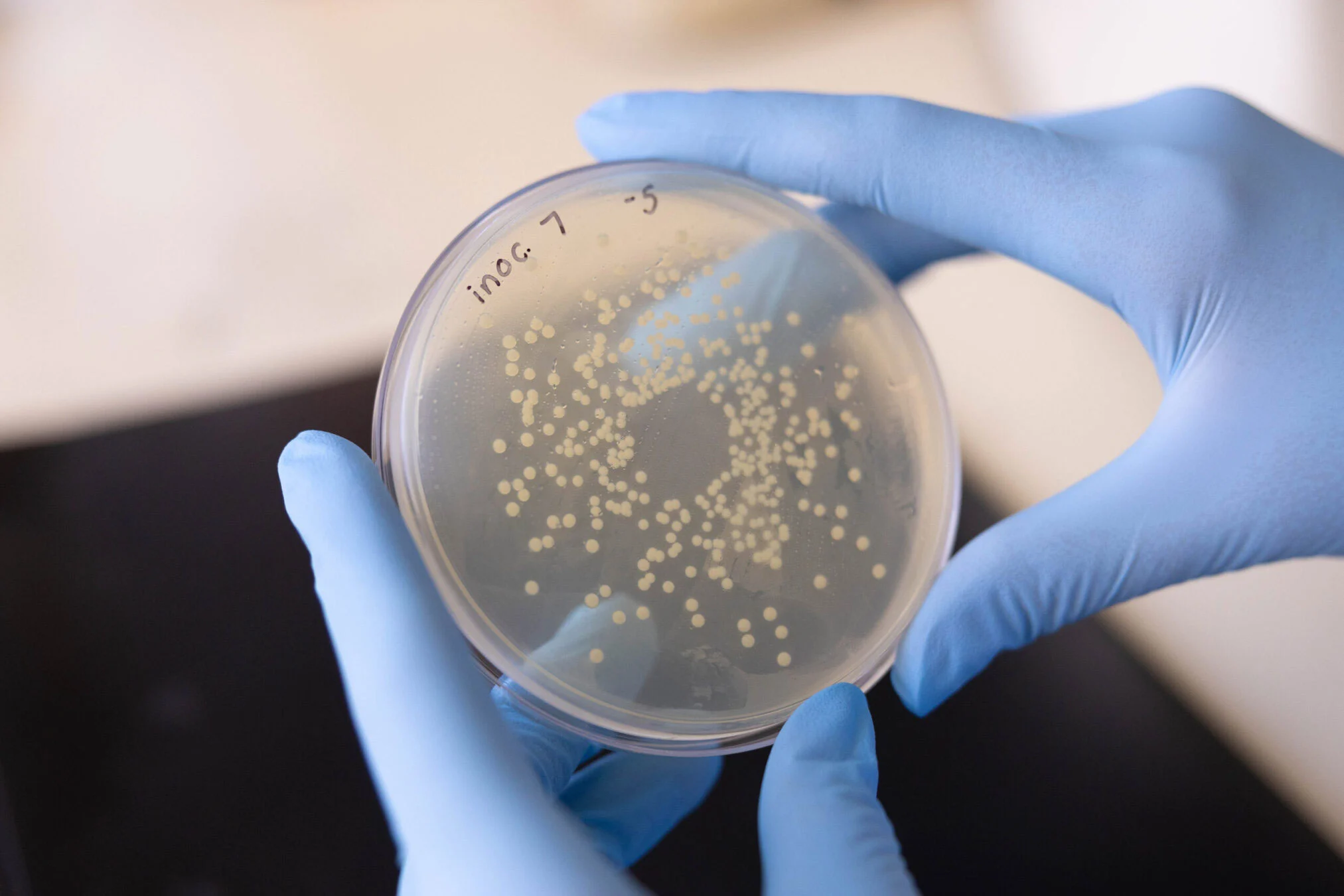
Copper is a trace element necessary for humans and animals to maintain normal physiological functions. However, when the concentration and action environment reach certain conditions, it has obvious toxicity to bacteria. Therefore, the human immune system has actually already adopted copper as part of its natural immune defense system. When an infection occurs, specialized immune cells engulf the bacteria and attack them with a variety of antimicrobial substances, including copper. Researchers at Texas A&M University have previously found that copper levels in urine also increase when a urinary tract infection occurs, suggesting that the body may actively mobilize copper to help clear invading bacteria.
Bacteria are not defenseless, however. Because copper exists naturally in the environment, many bacteria have evolved a set of mechanisms to deal with copper toxicity, such as expelling copper out of the cell or limiting the damage caused by copper to themselves. The research team next hopes to further determine the genetic and molecular mechanisms through which the bacteria that cause urinary tract infections resist the body's elevated copper concentrations.
The researchers believe that if they can figure out how bacteria overcome the "copper stress" created by the body, it may be possible to find new treatment strategies that make bacteria become more vulnerable to copper and other immune defense mechanisms again. This idea is different from traditional antibiotic treatment because it does not just look for a new drug that can directly kill bacteria, but tries to weaken the defense capabilities of bacteria and allow the drug to form a synergistic effect with the human immune system.
The research team also discovered a potentially important clue: copper may be able to affect the pili that bacteria use to attach to bladder cells. Pili are filament-like structures on the surface of bacteria that help them adhere firmly to the lining of the bladder. If copper is able to interfere with these structures, bacteria may have difficulty continuing to adhere to bladder tissue, even if they are not directly killed.
This mechanism is of special significance because the urinary tract itself has a very simple but effective physical defense method-urine flow. Bacteria that adhere firmly to the lining of the bladder are more likely to establish an infection, while bacteria that cannot adhere stably are more likely to be excreted in the urine. Therefore, disrupting the attachment ability of bacteria may become a complementary means of controlling infection.
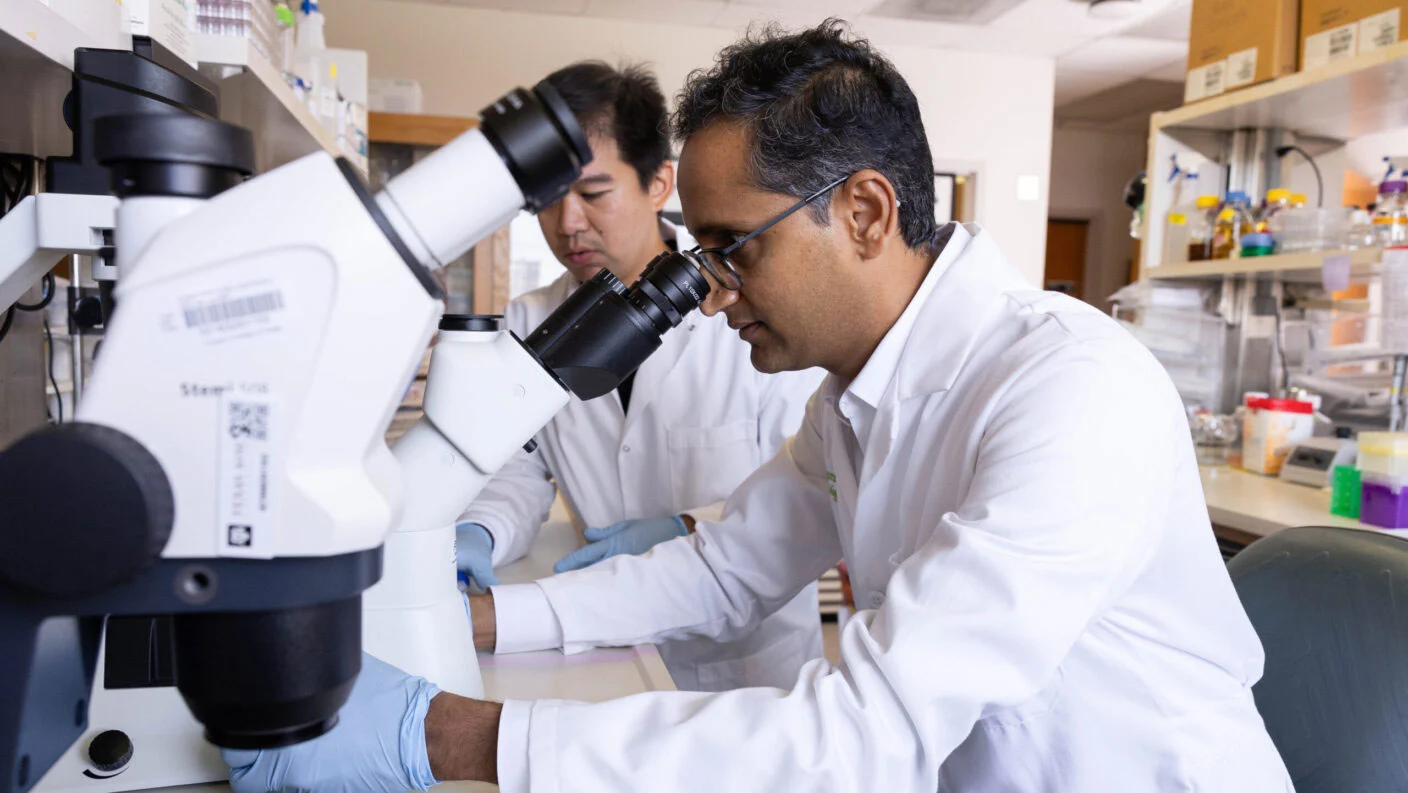
However, more copper is not always better. Copper can also damage the body's own cells at higher concentrations, so the body must strictly control the transportation, storage and release process of copper. The researchers are currently paying particular attention to a copper-containing protein, ceruloplasmin, which previous studies have shown may be involved in the transport and mobilization of copper during urinary tract infections. The research team wanted to figure out exactly how ceruloplasmin regulates the supply of copper when infection occurs, and how this process helps the body control bacteria.
Meanwhile, researchers have discovered an experimental antibacterial compound whose antibacterial effects are significantly enhanced in the presence of copper. In the next stage, they plan to modify and test this compound and its related structures to find drug candidates that can work with the body's natural copper defense mechanism.
This strategy may provide another treatment path for urinary tract infections where antibiotic resistance is increasing. Traditional antibiotics mainly target the bacteria themselves, while new research directions hope to consider the synergistic relationship between the human immune system and drugs at the same time, and improve the therapeutic effect by enhancing the body's existing defense mechanisms.
The researchers also pointed out that it is still several years away from a "copper-dependent" therapy that can be used for clinical treatment. This work is still in its early stages, and the main goal is to understand the attack and defense mechanisms between the human body and bacteria around copper and to find breakthroughs that can be converted into treatments in the future, so copper itself cannot yet be considered a proven treatment for urinary tract infections.
If the study is ultimately successful, its implications could extend beyond urinary tract infections as well. Some of the bacteria that cause urinary tract infections can also infect other parts of the body, so studying how these bacteria resist copper could help scientists understand similar mechanisms in other bacterial infections. In addition, recurrent urinary tract infections are also common in dogs and other animals, so the results may also be applied in the veterinary field in the future.
The core idea of the entire research is to observe the infection process from two directions: "pathogen" and "host": on the one hand, we study how bacteria resist copper, on the other hand, we study how the human body mobilizes and transports copper, and ultimately looks for treatments that allow the two sets of mechanisms to work together. For infections with increasing antibiotic resistance, this idea of using the body's natural immune defenses, rather than relying solely on the continuous development of new antibiotics, may become an important direction for future anti-infective drug research.
Comments