
Abstract:
An international scientific research team recently announced an important archaeological breakthrough. For the first time, they successfully extracted ancient human DNA preserved for thousands of years from cave walls, proving that even without murals or other obvious traces of human activity, cave walls may still preserve genetic information left by ancient visitors. This discovery provides a new way to study prehistoric human activities and may also help scientists understand the identity and activities of ancient humans without destroying archaeological sites.
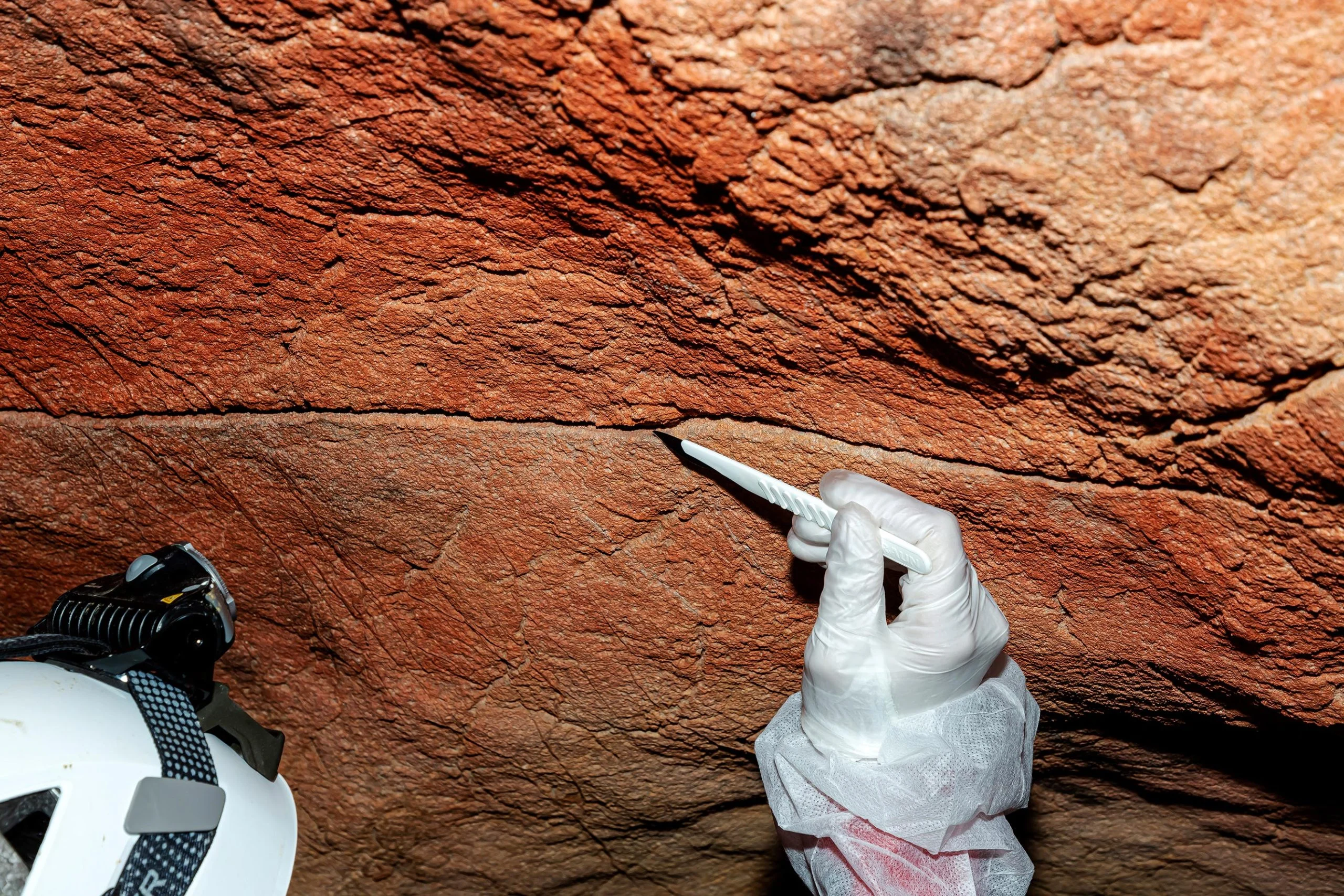
This research originally grew out of an exploration of the identity of the creators of prehistoric cave art. The research team is part of the First Art project, which aims to date the earliest cave art and analyze its chemical composition. The project brings together research institutions from Spain, Portugal, the United Kingdom, China and Germany. Subsequently, scientists from the Max Planck Institute for Evolutionary Anthropology in Germany joined the collaboration and expanded the scope of research to ancient DNA analysis, hoping to find genetic traces preserved in caves.
Researchers point out that many prehistoric works of art were created by blowing or smearing paint onto the surface of rock walls. As the sensitivity of modern ancient DNA technology continues to improve, scientists are beginning to wonder whether humans will leave enough genetic information to be preserved for thousands of years when they come into contact with rock walls, giving them the opportunity to directly obtain the genetic clues of art creators.
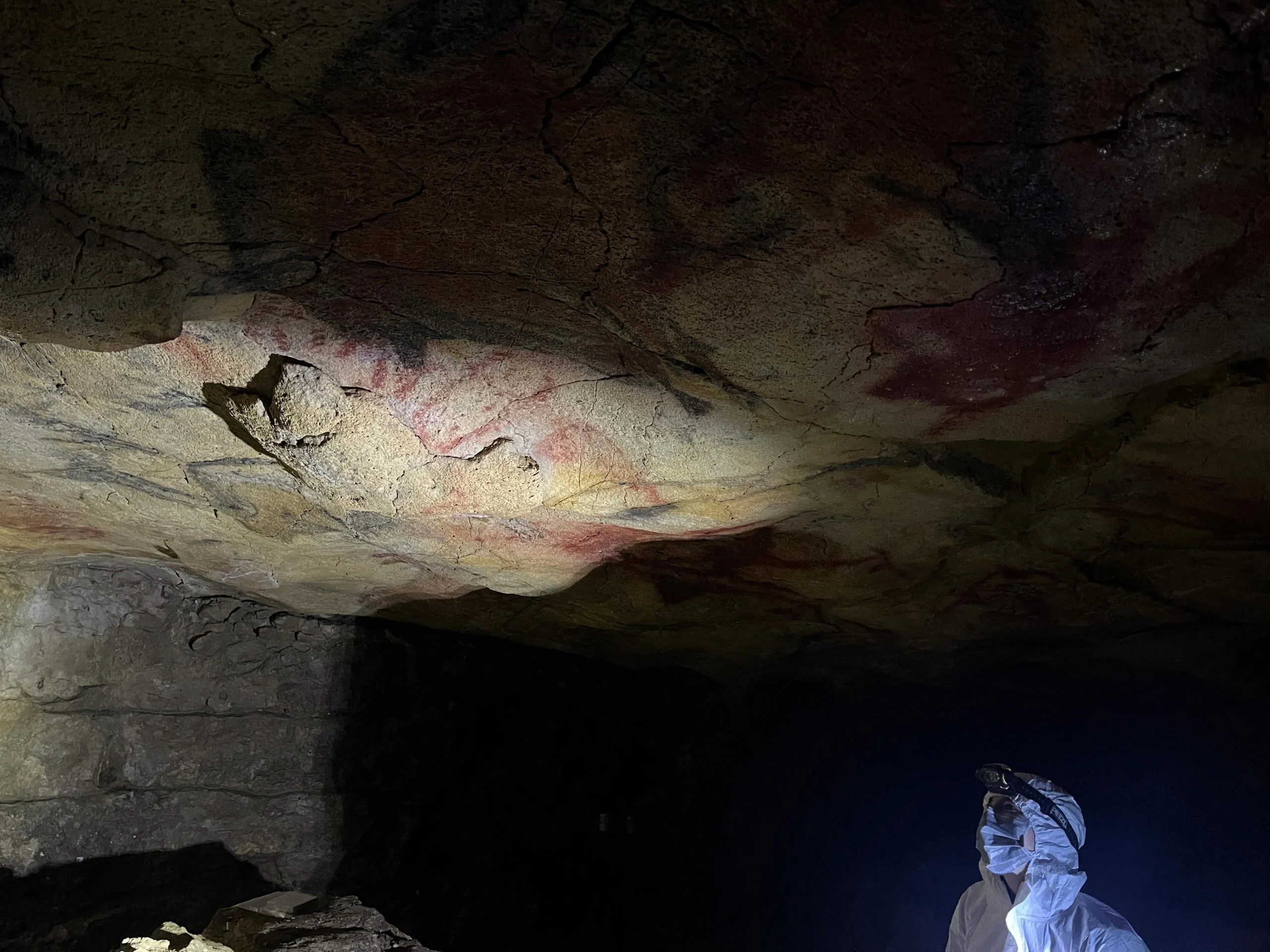
To test this hypothesis, the team investigated 24 petroglyph panels in 11 caves. The research objects included simple symbols, handprints, and fragments of paint from the famous Altamira Cave in Spain. The researchers also analyzed pigmented and unpigmented rock wall samples, sediment samples, bone samples, and a rare prehistoric bird bone spray painting tool. This tool was used to spray red ocher paint onto cave walls.
Of the 54 samples collected, only 5 successfully detected actual ancient human mitochondrial DNA. Mitochondrial DNA is found in the cells' energy-producing structures. One sample comes from a pigmented area covered with calcite layers in Portugal's Escural Cave. Two other samples came from unpainted walls deep within the same cave, and two came from unpainted rock walls near the Covarón Cave petroglyphs in northern Spain. Remarkably, these unpainted walls, which were intended as "negative controls," actually provided important findings.
The study showed that two of the five positive samples did not detect any other animal DNA, suggesting that humans likely left genetic material directly on the walls through saliva or other body fluids. Three other samples contained both human and animal DNA, which the researchers believe may have been indirectly attached to the rock surface through sediment transport or water movement.
The research team stated that although it is still not possible to prove that the DNA is directly related to the behavior of creating rock paintings, this is the first direct evidence that human DNA can be preserved on cave walls for thousands of years. Scientists believe the discovery means researchers may have found a new way to explore prehistoric human activity.
Further analysis also revealed some of the identities of these ancient visitors. The research team found that three of the samples were mainly from women, one sample was mainly from men, and the gender of another sample could not be determined. Nuclear DNA analysis of two pigment-free samples from Covaron Cave confirmed they came from modern humans, known as Homo sapiens. The genetic samples were assigned to Western European hunter-gatherer groups and were consistent with genetic profiles of other ancient populations on the Iberian Peninsula.
Scientists say this result is changing people's traditional understanding of the origin of ancient DNA. In the past, it was generally believed that ancient DNA mainly came from bones, teeth or sediments, but this study proves that even seemingly ordinary cave walls without any visual traces may become important archives for preserving ancient genetic information. In the future, researchers are even expected to answer long-standing questions such as "Who touched this wall?" "Were they male or female?" "Which ethnic group they belonged to?"
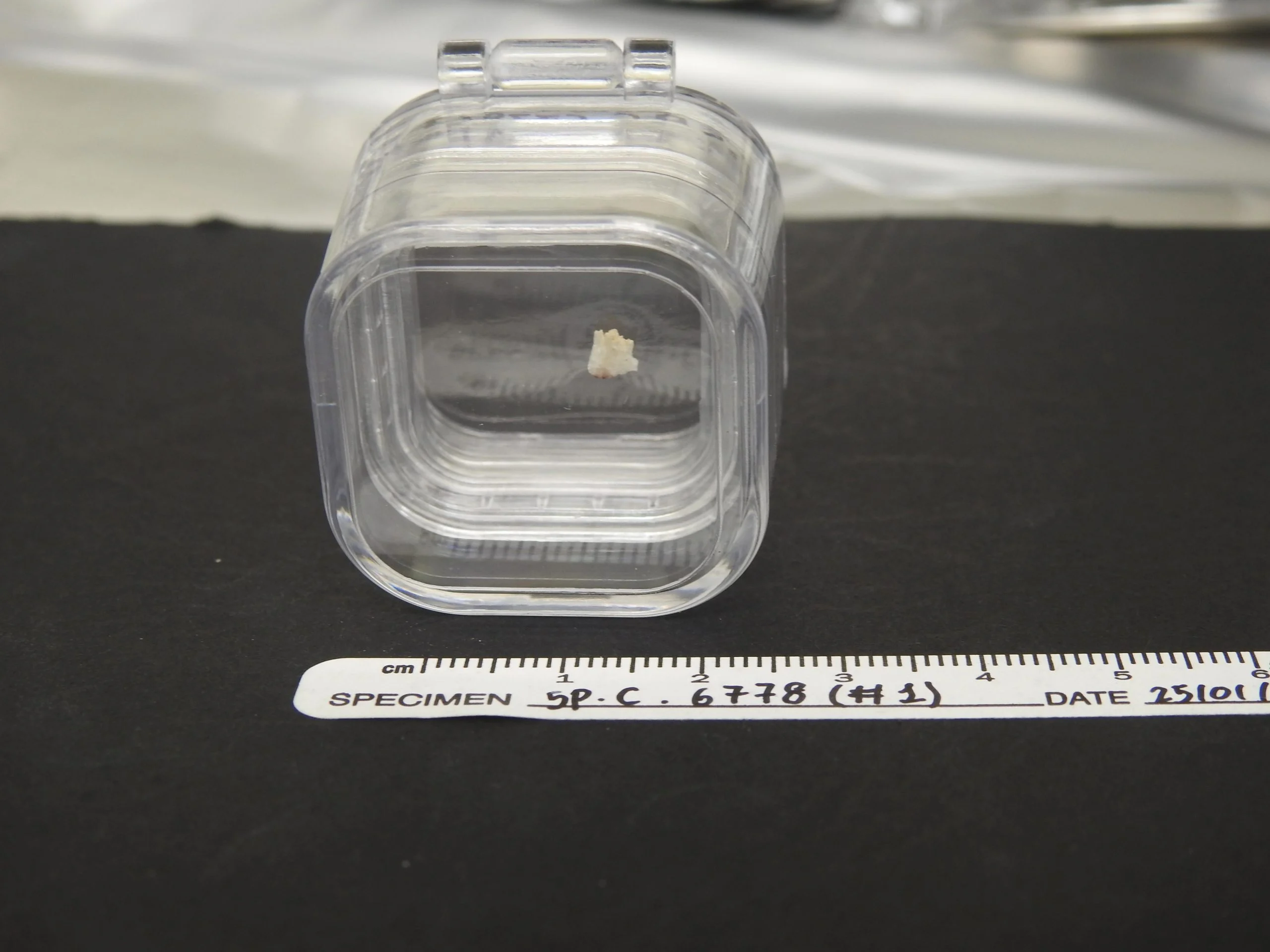
The research team believes that cave wall sampling technology has the potential to become a low-interference or even non-destructive archaeological research method. Even if there are no obvious images, tools or relics left in the ruins, people can still understand the background and activities of the people who used these caves at that time through the genetic clues left on the walls.
However, research also shows that extracting ancient DNA is not easy. Surprisingly, researchers did not successfully obtain ancient human DNA from the prehistoric bird bone spray-painting tool found in the Altamira Cave. Scientists speculate that the reason is likely to be the serious contamination of modern human DNA during the long-term research process, coupled with the extremely small amount of material available for sampling, thus masking the true ancient genetic information.
The data shows that among the 24 petroglyph panels investigated, ancient human DNA was found in only one panel, while the other two were found on nearby rock walls. This means that pigment surfaces often struggle to preserve sufficient amounts of genetic material for long periods of time unless protected by mineral crusts or in a relatively closed environment.
The long-term preservation of human DNA in cave walls varies greatly, but when it is preserved, it could tell important stories about prehistoric humans, researchers say. The most urgent work at present is to further improve sampling and analysis methods and to clarify which environmental conditions are most conducive to long-term DNA preservation to increase the success rate of future research.
Although this study has not yet successfully identified the specific author of the rock paintings, scientists believe that this is just the beginning. In the future, the team plans to study more sites, more artistic styles and creative techniques, especially handprints and figurative murals. It hopes to use more advanced molecular analysis technology to finally reveal the true identity of the prehistoric art creators and further reconstruct the history of ancient human activities in caves.
Comments